Why All Solar Works Designs Systems for Long-Term Independence
Solar energy systems are becoming increasingly common across the UK…

Why you can trust our content
We know that the solar industry is full of misinformation, but we only use reliable sources, including:





At a glance
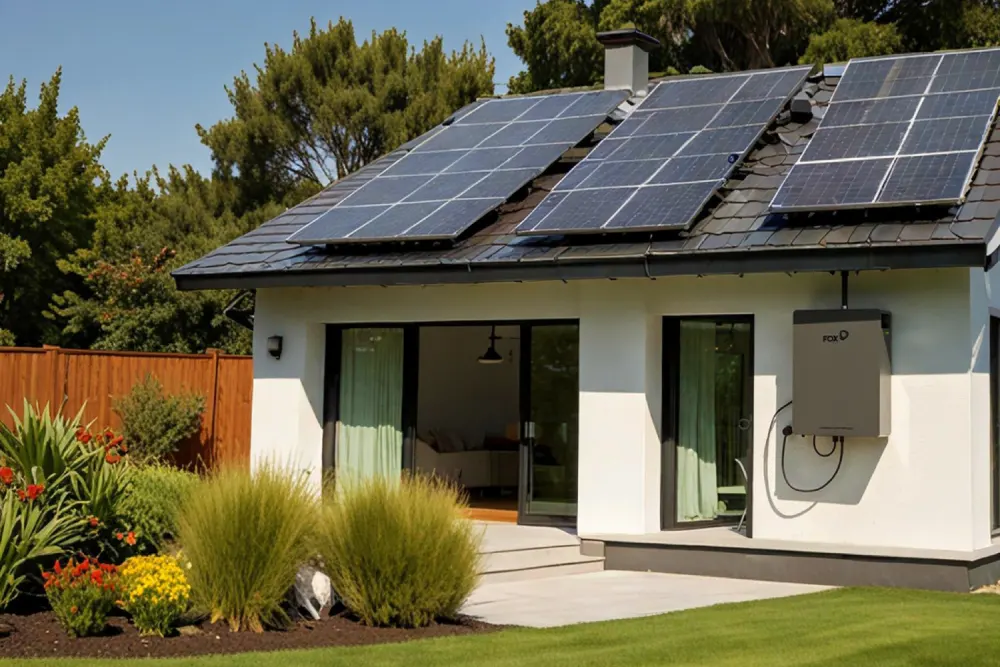
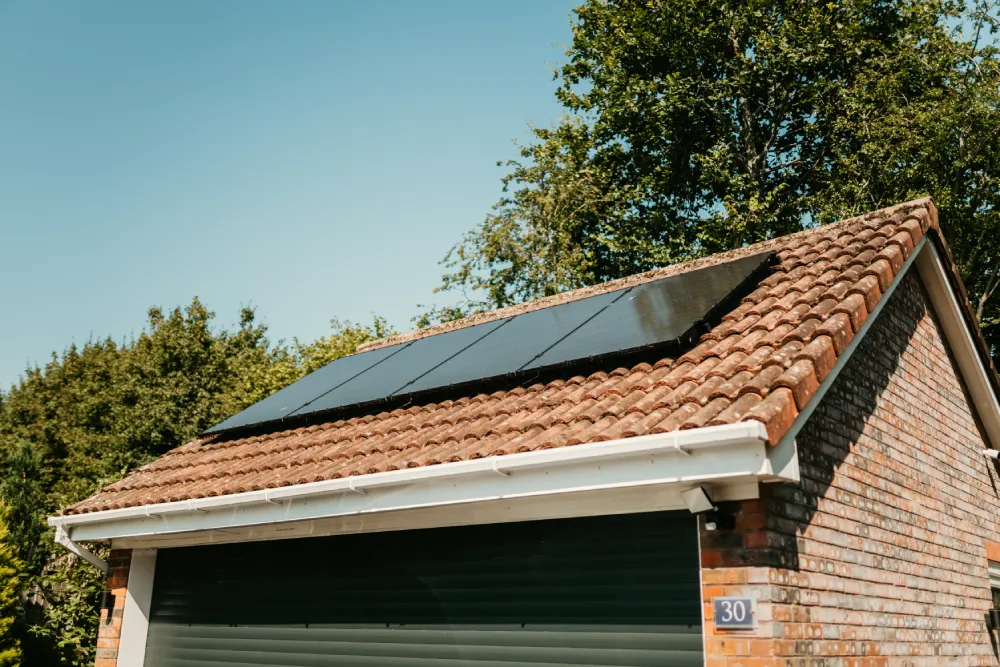
Solar energy systems are becoming increasingly common across the UK as homeowners look for reliable ways to generate their own electricity. However, the long-term performance of a solar system depends not only on the equipment used but also on how the system is designed and installed.
Many homeowners focus primarily on reducing energy bills when considering solar panels. While cost savings are important, modern solar systems are increasingly designed with energy independence in mind. This means ensuring the system can continue supporting the home’s electricity needs as energy usage evolves over time.
Working with a solar installation specialist ensures the system is designed with long-term performance, flexibility and resilience in mind.
Why Does System Design Matter for Solar Installations?
The effectiveness of a solar system depends heavily on how it is designed.
Every property has different roof orientations, shading conditions and energy usage patterns. A properly designed system takes these factors into account to ensure solar panels generate electricity efficiently throughout the year.
A professional solar installation specialist will typically consider:
These factors help ensure the system remains effective as household energy demands change.
What Makes a Solar Installation Specialist Different?
Not all solar installers approach system design in the same way. A specialist installer focuses on long-term performance rather than simply installing panels as quickly as possible.
A specialist approach often includes:
By working with a solar installation specialist, homeowners can ensure their system is designed specifically for their property rather than relying on generic configurations.
How Do Solar Systems Support Energy Independence?
Energy independence means generating and managing more of your own electricity at home.
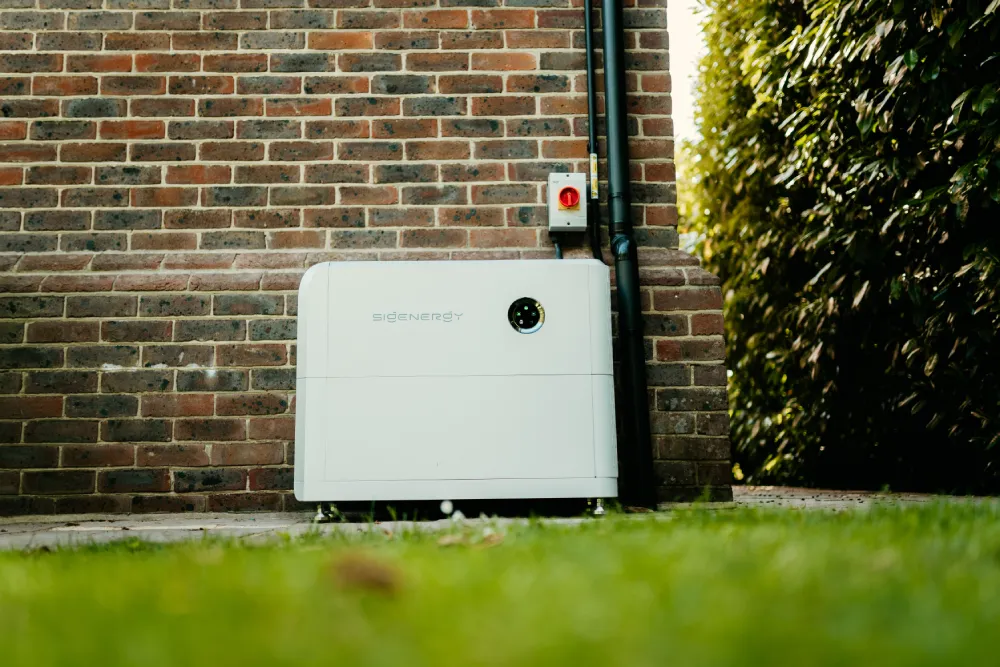
Solar panels allow homeowners to produce renewable energy during daylight hours. When combined with battery storage, excess electricity can be stored and used later when the sun is no longer shining.
This approach allows households to rely less on grid electricity while maintaining a steady supply of power.
Benefits of energy-focused solar systems include:
These advantages explain why many homeowners now prioritise system design that supports long-term independence.
What Should a Well-Designed Solar System Include?
A properly designed solar installation includes several components working together.
| Component | Purpose |
| Solar panels | Generate renewable electricity |
| Inverter | Converts solar power into usable household electricity |
| Mounting system | Secures panels safely to the roof |
| Monitoring system | Tracks energy generation and performance |
| Battery storage (optional) | Stores excess electricity for later use |
A specialist installer ensures these components are integrated effectively so the system operates reliably.
Should Solar Systems Be Designed for Future Upgrades?
Yes. Many households install solar panels first and add battery storage or other technologies later.
Future technologies may include:
Designing the system with these upgrades in mind ensures it can be expanded without major changes later.
A forward-thinking installer considers these possibilities during the planning stage to avoid unnecessary complications in the future.

What type of property do you have?

Detached House

Semi Detached House
Terraced House

Flat or Apartment
Bungalow
It just takes 2 minutes
And then you can book a free consultation
Example Scenario: Designing a Solar System for Independence
A typical semi-detached home in Worthing decides to install solar panels to reduce electricity bills.
Rather than installing the smallest possible system, the homeowner works with a specialist installer who evaluates the property’s energy usage and roof space.
The installer recommends a slightly larger solar array and ensures the system is compatible with future battery storage.
This approach allows the homeowner to maximise solar generation now while keeping the option open for future upgrades.
Over time, the system evolves into a more complete energy solution.
What Questions Should You Ask a Solar Installer?
Before choosing a solar installer, homeowners should ask several important questions.
These may include:
Asking these questions helps ensure the installation is planned carefully and built for long-term reliability.
Why Local Knowledge Matters
Solar performance can vary depending on local conditions such as roof orientation, shading and climate.
Installers familiar with properties in Worthing and the wider West Sussex area can better understand the typical characteristics of homes in the region.
Local knowledge allows installers to recommend system sizes and layouts that perform well under local conditions.
This experience can help ensure solar systems generate electricity consistently throughout the year.
Solar energy offers homeowners an opportunity to generate their own renewable electricity while improving long-term energy resilience. However, achieving the best results requires careful planning and professional system design.
Choosing an experienced installer ensures the system is built to perform reliably for many years while remaining adaptable to future energy needs.
At All Solar Works, our team focuses on designing solar systems that support long-term energy independence and reliable performance.
Related articles
What type of property do you have?
Detached House
Semi Detached House
Terraced House
Flat or Apartment
Bungalow
At a glance
Solar energy systems are becoming increasingly common across the UK as homeowners look for reliable ways to generate their own electricity. However, the long-term performance of a solar system depends not only on the equipment used but also on how the system is designed and installed.
Many homeowners focus primarily on reducing energy bills when considering solar panels. While cost savings are important, modern solar systems are increasingly designed with energy independence in mind. This means ensuring the system can continue supporting the home’s electricity needs as energy usage evolves over time.
Working with a solar installation specialist ensures the system is designed with long-term performance, flexibility and resilience in mind.
Why Does System Design Matter for Solar Installations?
The effectiveness of a solar system depends heavily on how it is designed.
Every property has different roof orientations, shading conditions and energy usage patterns. A properly designed system takes these factors into account to ensure solar panels generate electricity efficiently throughout the year.
A professional solar installation specialist will typically consider:
These factors help ensure the system remains effective as household energy demands change.
What Makes a Solar Installation Specialist Different?
Not all solar installers approach system design in the same way. A specialist installer focuses on long-term performance rather than simply installing panels as quickly as possible.
A specialist approach often includes:
By working with a solar installation specialist, homeowners can ensure their system is designed specifically for their property rather than relying on generic configurations.
How Do Solar Systems Support Energy Independence?
Energy independence means generating and managing more of your own electricity at home.
Solar panels allow homeowners to produce renewable energy during daylight hours. When combined with battery storage, excess electricity can be stored and used later when the sun is no longer shining.
This approach allows households to rely less on grid electricity while maintaining a steady supply of power.
Benefits of energy-focused solar systems include:
These advantages explain why many homeowners now prioritise system design that supports long-term independence.
What Should a Well-Designed Solar System Include?
A properly designed solar installation includes several components working together.
| Component | Purpose |
| Solar panels | Generate renewable electricity |
| Inverter | Converts solar power into usable household electricity |
| Mounting system | Secures panels safely to the roof |
| Monitoring system | Tracks energy generation and performance |
| Battery storage (optional) | Stores excess electricity for later use |
A specialist installer ensures these components are integrated effectively so the system operates reliably.
Should Solar Systems Be Designed for Future Upgrades?
Yes. Many households install solar panels first and add battery storage or other technologies later.
Future technologies may include:
Designing the system with these upgrades in mind ensures it can be expanded without major changes later.
A forward-thinking installer considers these possibilities during the planning stage to avoid unnecessary complications in the future.
What type of property do you have?
Detached House
Semi Detached House
Terraced House
Flat or Apartment
Bungalow
It just takes 2 minutes
And then you can book a free consultation
Example Scenario: Designing a Solar System for Independence
A typical semi-detached home in Worthing decides to install solar panels to reduce electricity bills.
Rather than installing the smallest possible system, the homeowner works with a specialist installer who evaluates the property’s energy usage and roof space.
The installer recommends a slightly larger solar array and ensures the system is compatible with future battery storage.
This approach allows the homeowner to maximise solar generation now while keeping the option open for future upgrades.
Over time, the system evolves into a more complete energy solution.
What Questions Should You Ask a Solar Installer?
Before choosing a solar installer, homeowners should ask several important questions.
These may include:
Asking these questions helps ensure the installation is planned carefully and built for long-term reliability.
Why Local Knowledge Matters
Solar performance can vary depending on local conditions such as roof orientation, shading and climate.
Installers familiar with properties in Worthing and the wider West Sussex area can better understand the typical characteristics of homes in the region.
Local knowledge allows installers to recommend system sizes and layouts that perform well under local conditions.
This experience can help ensure solar systems generate electricity consistently throughout the year.
Solar energy offers homeowners an opportunity to generate their own renewable electricity while improving long-term energy resilience. However, achieving the best results requires careful planning and professional system design.
Choosing an experienced installer ensures the system is built to perform reliably for many years while remaining adaptable to future energy needs.
At All Solar Works, our team focuses on designing solar systems that support long-term energy independence and reliable performance.
Related articles
What type of property do you have?
Detached House
Semi Detached House
Terraced House
Flat or Apartment
Bungalow