Shade, Roof Direction and Panel Layout: What Gets Checked Before Installation
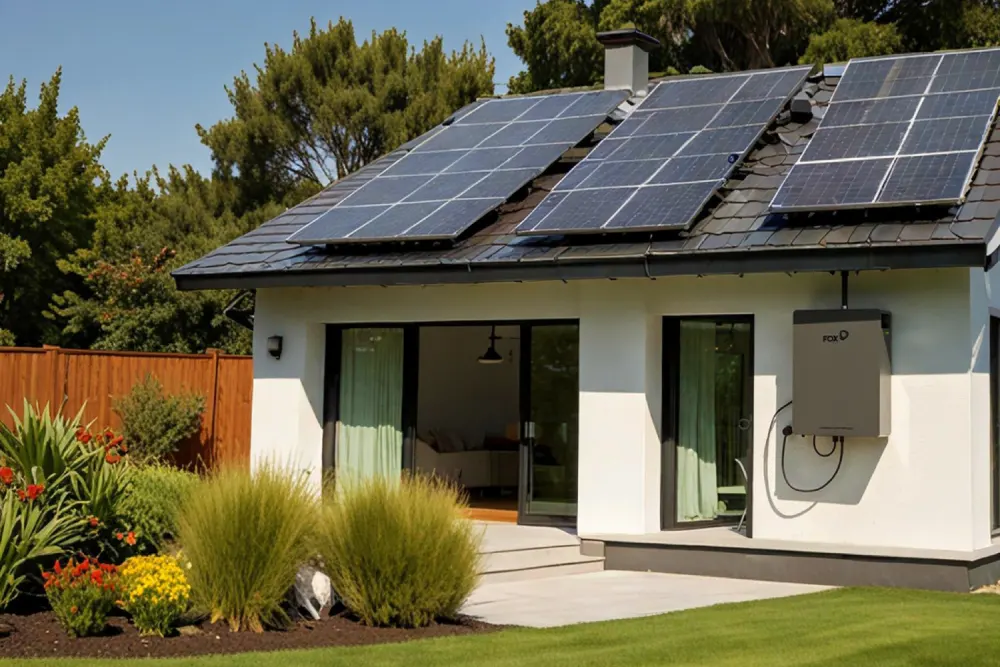
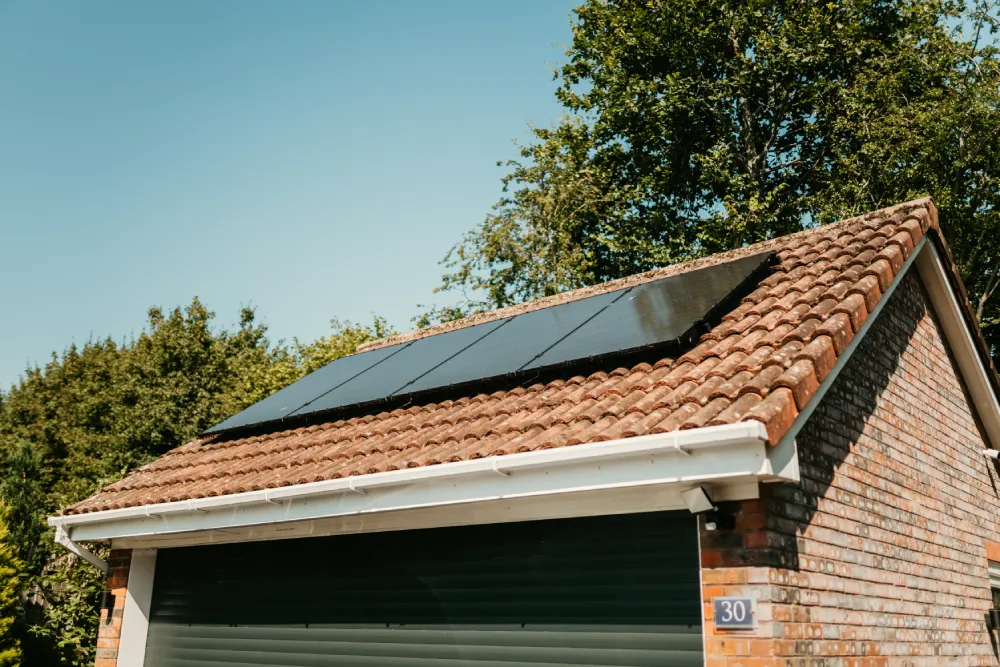
Getting the most from a solar system starts long before the panels are installed. Professional installers assess your roof direction, shading and panel layout to ensure the system delivers reliable performance throughout the year. A carefully planned design helps maximise energy generation, improve efficiency and make the best use of your available roof space.

Why you can trust our content
We know that the solar industry is full of misinformation, but we only use reliable sources, including:




At a glance
A solar system needs more than just available roof space to perform well. Before installation begins, experienced installers assess how your property interacts with sunlight throughout the year.
Factors such as roof direction, shading from nearby objects and the final panel arrangement can all influence how much energy your system produces. A carefully planned layout helps homeowners get the best possible performance from their investment.
For anyone considering solar and battery installation worthing, understanding these checks can help you know what happens before panels are fitted and why professional design matters.
If you are planning a renewable energy upgrade, the All Solar Works team can assess your property and explain which design options are most suitable for your home.
Why Are Roof Direction and Sunlight Exposure Important?
Roof direction plays a major role in solar performance because panels need consistent exposure to sunlight to generate electricity effectively.
Installers consider how sunlight moves across your property during different times of the day. A roof that receives strong morning sunlight may perform differently from one that receives more afternoon exposure.
While south-facing roofs are often favourable, they are not the only option. East and west-facing roofs can also provide effective results when the system is designed correctly.
A professional assessment considers:
- The direction your roof faces
- The pitch or angle of the roof
- Seasonal changes in sunlight
- Your household electricity usage patterns
- The location of surrounding buildings and trees
This ensures the panel layout is based on real conditions rather than assumptions.
How Does Shading Affect Solar Panel Performance?
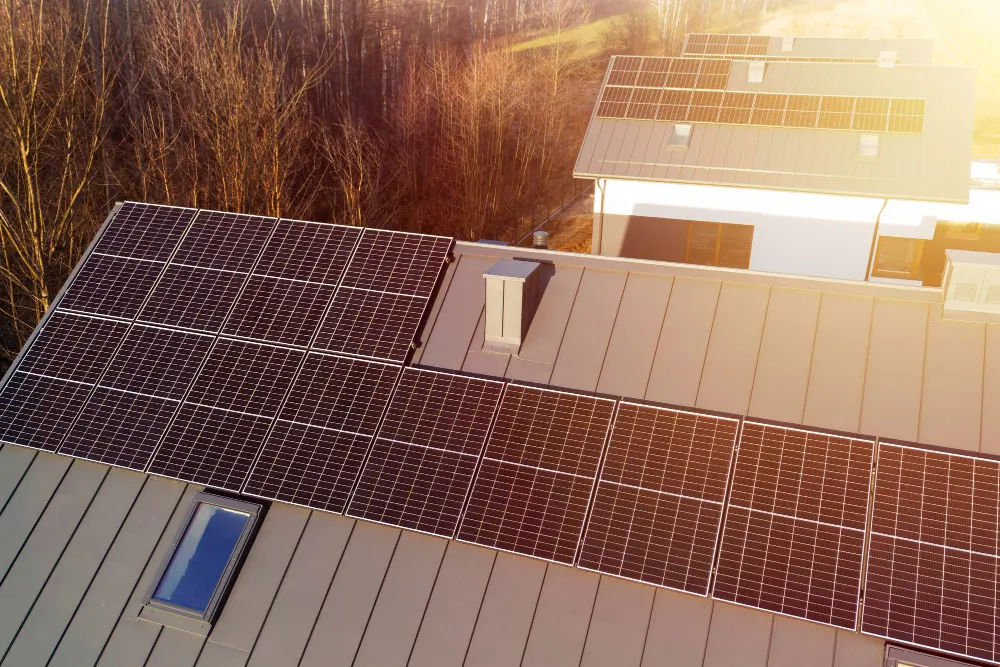
Shading is one of the biggest factors installers investigate before creating a solar design. Even partial shade can reduce energy production if panels are not positioned carefully.
Common causes of shading include:
- Trees and hedges
- Chimneys
- Roof structures
- Nearby properties
- Extensions and dormers
The timing of the shade is also important. A tree causing shade early in the morning may have a different impact compared with an object blocking sunlight during peak generation hours.
When carrying out solar and battery installation worthing, installers assess these details to decide where panels should be positioned for better efficiency.
What Is Checked During a Solar Panel Layout Design?
Panel layout is about finding the right balance between energy production, roof space and practical installation requirements.
A professional design considers:
| Design Check | Why It Matters |
| Roof measurements | Determines how many panels can be installed |
| Shading assessment | Helps avoid areas with reduced sunlight |
| Panel positioning | Improves overall system performance |
| Access planning | Allows safer installation and future maintenance |
| Equipment placement | Ensures efficient cable routes and operation |
The goal is not always to install the maximum number of panels. A well-planned layout focuses on producing reliable energy while keeping the system practical and easy to maintain.
Do Solar Installers Use Special Tools to Assess Roof Conditions?
Yes. Professional installers often use a combination of surveys, measurements and design software to understand how a solar system will perform.
These tools help installers review:
- Roof dimensions
- Sunlight exposure
- Potential shading issues
- Panel placement options
- Expected system output
This information allows homeowners to make informed decisions before installation starts.
Choosing mcs certified solar panel installers provides additional reassurance because certification demonstrates that installers follow recognised standards for solar system design and installation.
How Are Solar Panels Positioned on Complex Roofs?
Not every home has a simple, open roof layout. Some properties have multiple roof sections, skylights, chimneys or limited available space.
In these situations, installers need to carefully plan:
- Which roof areas receive the most sunlight
- How panels should be grouped together
- Where cables should run
- How equipment can be accessed safely
For example, a property with a main south-facing roof and a smaller west-facing section may benefit from panels across both areas. A suitable design can help spread energy generation across different times of the day.
What Role Does Battery Storage Play in Solar Design?
Battery storage is often considered alongside solar panels because it allows homeowners to store unused electricity for later use.
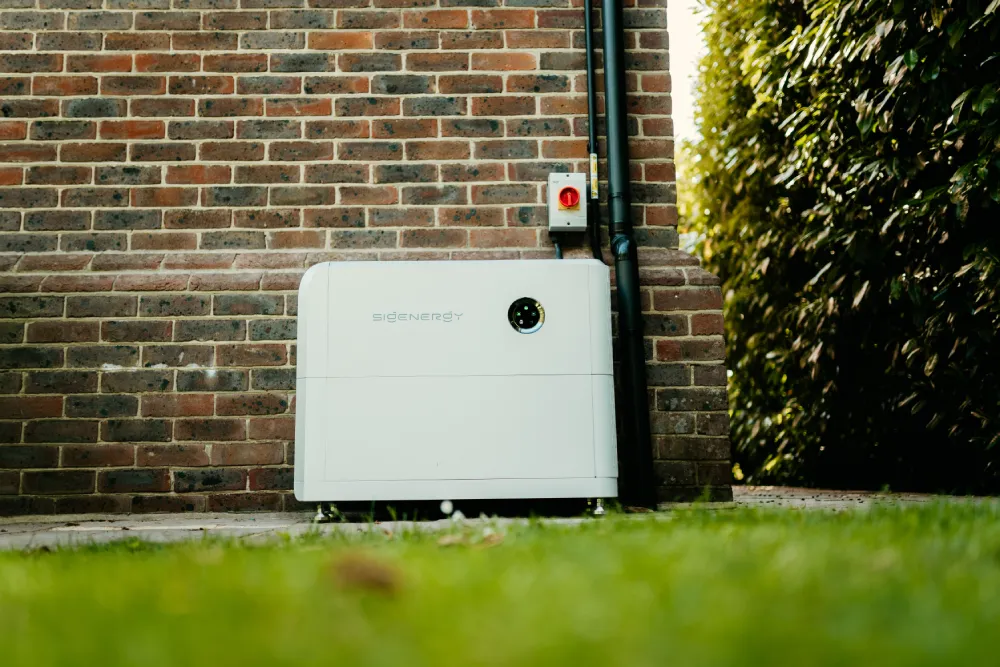
The battery location and size need to be considered during the design stage. Installers look at where equipment can be safely installed and how it connects with the solar system.
A complete design review may include:
- Available installation space
- Electrical requirements
- Cable routes
- Household energy usage
- Future energy needs
This helps create a system that works effectively today while allowing for potential upgrades later.
If you are unsure whether battery storage would suit your home, our team can provide advice based on your energy habits and property layout.

What type of property do you have?

Detached House

Semi Detached House
Terraced House

Flat or Apartment
Bungalow
It just takes 2 minutes
And then you can book a free consultation
Why Does Installer Experience Matter for Solar Design?
Solar design is not just about selecting equipment. The installation needs to work with the unique features of your home.
Experienced installers understand how different factors interact, including:
- Changing weather conditions
- Roof limitations
- Shading challenges
- Electrical requirements
- Future maintenance needs
Working with mcs certified solar panel installers can help ensure your system is designed and installed according to recognised industry standards.
A Typical Roof Design Challenge in Worthing
A common situation involves a homeowner with a traditional property where a chimney creates afternoon shade across part of the roof.
Instead of covering the entire roof with panels, the installer may adjust the layout to avoid the shaded area and position panels where they receive stronger sunlight.
This approach improves performance and creates a cleaner installation that is better suited to the property.
What Questions Should You Ask Before Solar Installation?
Before choosing an installer, homeowners should ask about the design process rather than focusing only on the equipment being offered.
Useful questions include:
- How will shading affect my system?
- Which roof areas will you use and why?
- How will the panel layout be decided?
- Where will the battery be installed?
- How will the system be maintained in the future?
Understanding the answers helps you compare installation approaches and choose a solution that fits your home.
For tailored advice on your roof layout and solar options, contact All Solar Works to discuss your requirements with an experienced team.
Related articles
What type of property do you have?
Detached House
Semi Detached House
Terraced House
Flat or Apartment
Bungalow
At a glance
A solar system needs more than just available roof space to perform well. Before installation begins, experienced installers assess how your property interacts with sunlight throughout the year.
Factors such as roof direction, shading from nearby objects and the final panel arrangement can all influence how much energy your system produces. A carefully planned layout helps homeowners get the best possible performance from their investment.
For anyone considering solar and battery installation worthing, understanding these checks can help you know what happens before panels are fitted and why professional design matters.
If you are planning a renewable energy upgrade, the All Solar Works team can assess your property and explain which design options are most suitable for your home.
Why Are Roof Direction and Sunlight Exposure Important?
Roof direction plays a major role in solar performance because panels need consistent exposure to sunlight to generate electricity effectively.
Installers consider how sunlight moves across your property during different times of the day. A roof that receives strong morning sunlight may perform differently from one that receives more afternoon exposure.
While south-facing roofs are often favourable, they are not the only option. East and west-facing roofs can also provide effective results when the system is designed correctly.
A professional assessment considers:
- The direction your roof faces
- The pitch or angle of the roof
- Seasonal changes in sunlight
- Your household electricity usage patterns
- The location of surrounding buildings and trees
This ensures the panel layout is based on real conditions rather than assumptions.
How Does Shading Affect Solar Panel Performance?
Shading is one of the biggest factors installers investigate before creating a solar design. Even partial shade can reduce energy production if panels are not positioned carefully.
Common causes of shading include:
- Trees and hedges
- Chimneys
- Roof structures
- Nearby properties
- Extensions and dormers
The timing of the shade is also important. A tree causing shade early in the morning may have a different impact compared with an object blocking sunlight during peak generation hours.
When carrying out solar and battery installation worthing, installers assess these details to decide where panels should be positioned for better efficiency.
What Is Checked During a Solar Panel Layout Design?
Panel layout is about finding the right balance between energy production, roof space and practical installation requirements.
A professional design considers:
| Design Check | Why It Matters |
| Roof measurements | Determines how many panels can be installed |
| Shading assessment | Helps avoid areas with reduced sunlight |
| Panel positioning | Improves overall system performance |
| Access planning | Allows safer installation and future maintenance |
| Equipment placement | Ensures efficient cable routes and operation |
The goal is not always to install the maximum number of panels. A well-planned layout focuses on producing reliable energy while keeping the system practical and easy to maintain.
Do Solar Installers Use Special Tools to Assess Roof Conditions?
Yes. Professional installers often use a combination of surveys, measurements and design software to understand how a solar system will perform.
These tools help installers review:
- Roof dimensions
- Sunlight exposure
- Potential shading issues
- Panel placement options
- Expected system output
This information allows homeowners to make informed decisions before installation starts.
Choosing mcs certified solar panel installers provides additional reassurance because certification demonstrates that installers follow recognised standards for solar system design and installation.
How Are Solar Panels Positioned on Complex Roofs?
Not every home has a simple, open roof layout. Some properties have multiple roof sections, skylights, chimneys or limited available space.
In these situations, installers need to carefully plan:
- Which roof areas receive the most sunlight
- How panels should be grouped together
- Where cables should run
- How equipment can be accessed safely
For example, a property with a main south-facing roof and a smaller west-facing section may benefit from panels across both areas. A suitable design can help spread energy generation across different times of the day.
What Role Does Battery Storage Play in Solar Design?
Battery storage is often considered alongside solar panels because it allows homeowners to store unused electricity for later use.
The battery location and size need to be considered during the design stage. Installers look at where equipment can be safely installed and how it connects with the solar system.
A complete design review may include:
- Available installation space
- Electrical requirements
- Cable routes
- Household energy usage
- Future energy needs
This helps create a system that works effectively today while allowing for potential upgrades later.
If you are unsure whether battery storage would suit your home, our team can provide advice based on your energy habits and property layout.
What type of property do you have?
Detached House
Semi Detached House
Terraced House
Flat or Apartment
Bungalow
It just takes 2 minutes
And then you can book a free consultation
Why Does Installer Experience Matter for Solar Design?
Solar design is not just about selecting equipment. The installation needs to work with the unique features of your home.
Experienced installers understand how different factors interact, including:
- Changing weather conditions
- Roof limitations
- Shading challenges
- Electrical requirements
- Future maintenance needs
Working with mcs certified solar panel installers can help ensure your system is designed and installed according to recognised industry standards.
A Typical Roof Design Challenge in Worthing
A common situation involves a homeowner with a traditional property where a chimney creates afternoon shade across part of the roof.
Instead of covering the entire roof with panels, the installer may adjust the layout to avoid the shaded area and position panels where they receive stronger sunlight.
This approach improves performance and creates a cleaner installation that is better suited to the property.
What Questions Should You Ask Before Solar Installation?
Before choosing an installer, homeowners should ask about the design process rather than focusing only on the equipment being offered.
Useful questions include:
- How will shading affect my system?
- Which roof areas will you use and why?
- How will the panel layout be decided?
- Where will the battery be installed?
- How will the system be maintained in the future?
Understanding the answers helps you compare installation approaches and choose a solution that fits your home.
For tailored advice on your roof layout and solar options, contact All Solar Works to discuss your requirements with an experienced team.
Related articles
What type of property do you have?
Detached House
Semi Detached House
Terraced House
Flat or Apartment
Bungalow