
What Solar Fitters Look for During a Worthing Home Survey
A professional solar home survey assesses your roof, shading, electrical system and available space to design a system that suits your property. Careful planning helps maximise efficiency, performance and long-term reliability.

Why you can trust our content
We know that the solar industry is full of misinformation, but we only use reliable sources, including:




At a glance
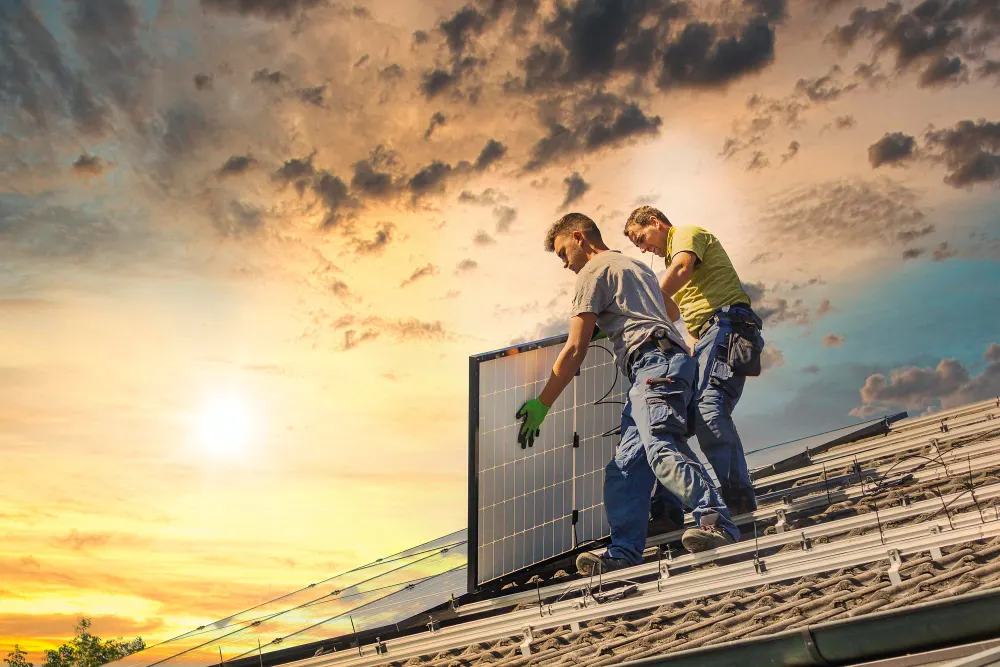
A home survey is one of the most important stages before solar panels are installed. It allows installers to understand how your property works, identify any challenges and create a system design that matches your energy requirements.
While solar panels may appear simple from the outside, a successful installation depends on careful planning. Roof condition, electrical setup, available space and future maintenance all need to be considered before any equipment is fitted.
For homeowners researching solar and battery fitters worthing, understanding what happens during a survey can help you feel more prepared and confident about the installation process.
If you are considering solar for your home, All Solar Works can assess your property and provide guidance based on your roof, energy usage and installation goals.
Why Is a Solar Home Survey Needed Before Installation?
A solar survey gives installers the information needed to design a safe and efficient system. Every home has different requirements, so installers need to understand the property before recommending a solution.
A survey helps identify:
- Whether the roof can support solar panels
- The best areas for panel placement
- Potential shading problems
- Suitable locations for batteries and electrical equipment
- Any access challenges during installation
Without a proper assessment, it can be difficult to create an accurate installation plan.
A detailed survey also helps reduce unexpected changes later because potential issues can be identified before work begins.
What Do Installers Check During a Roof Assessment?
The roof is one of the first areas installers assess because it directly affects the solar panel layout.
During a roof inspection, they may check:
Roof Condition
The roof needs to be structurally suitable for supporting solar panels. Installers look for signs of damage, ageing materials or areas that may require attention.
Roof Size and Available Space
The amount of usable roof space affects how many panels can be installed and where they can be positioned.
Roof Direction and Angle
The direction and pitch of the roof influence sunlight exposure. This helps installers decide how to achieve the best possible system performance.
Potential Obstacles
Features such as chimneys, skylights and roof vents may affect panel placement and need to be considered during the design process.
How Do Solar Surveys Identify Shading Problems?
Shading is another important part of a solar assessment. Even small areas of shade can influence system performance, depending on when and where the shade occurs.
Installers look for possible shading sources, including:
- Trees and nearby vegetation
- Neighbouring buildings
- Extensions
- Chimneys
- Other roof structures
The survey helps determine whether panels should be repositioned or whether additional design considerations are needed.
For solar and battery fitters worthing, checking shading is an essential step because it helps create a system that performs effectively throughout the year.
What Electrical Checks Are Completed During a Solar Survey?
Solar installations involve connecting new equipment to your home’s electrical system, so installers need to review your existing setup.
Electrical checks may include:
| Electrical Check | Purpose |
| Consumer unit inspection | Confirms the electrical system is suitable |
| Cable routes | Helps plan safe connections |
| Meter location | Determines connection requirements |
| Available installation space | Helps identify equipment locations |
| Existing energy usage | Supports better system planning |
These checks allow installers to understand how the solar system will integrate with your home.
Where Is Battery Storage Checked During a Survey?
If you are considering battery storage, the survey will also include planning for battery placement.
Installers need to consider:
- Available wall or floor space
- Protection from unsuitable conditions
- Distance from electrical equipment
- Accessibility for future maintenance
- Cable routing requirements
Battery location can influence installation complexity, so it is helpful to consider this early in the planning process.

What type of property do you have?

Detached House

Semi Detached House

Terraced House

Flat or Apartment
Bungalow
It just takes 2 minutes
And then you can book a free consultation
How Does a Survey Help Create a Better Solar Design?
A professional survey turns general information into a detailed installation plan.
The installer uses the findings to decide:
- Number of panels required
- Panel positioning
- Battery suitability
- Equipment locations
- Expected system performance
This approach helps homeowners avoid choosing a system that does not match their property.
A solar installation specialist considers the full picture rather than focusing only on the number of panels that can fit on a roof.
What Happens After the Home Survey?
Once the survey is complete, the installer reviews the information and creates a recommended system design.
This may include:
- A proposed panel layout
- Equipment recommendations
- Installation requirements
- Expected energy generation
- Final pricing details
The homeowner can then review the proposal and understand what the installation involves before making a decision.
If you would like a clearer understanding of what your property needs, our team can arrange professional advice and explain the options available.
A Typical Worthing Home Survey Example
A typical example could involve a homeowner with a detached property, a large roof area and mature trees near the garden boundary.
During the survey, the installer identifies that part of the roof receives afternoon shade. Instead of placing panels across the entire area, the design is adjusted to focus on sections with better sunlight exposure.
The result is a system that is better suited to the property and designed around real conditions rather than assumptions.
Why Choose an Experienced Solar Installer?
The quality of the survey can have a major impact on the final installation. A detailed assessment helps ensure the system is safe, practical and designed for long-term use.
An experienced installer understands that every home presents different challenges. They consider the roof, electrical system, household needs and future requirements before recommending a solution.
Working with a trusted solar installation specialist gives homeowners greater confidence that important details have not been overlooked.
What Questions Should Homeowners Ask During a Solar Survey?
A survey is also an opportunity for homeowners to understand the proposed installation.
Useful questions include:
- How will my roof affect the system design?
- Are there any shading concerns?
- Where will the battery be installed?
- How many panels are recommended and why?
- Will the system allow for future upgrades?
Having these conversations helps create a clearer understanding of the installation process.
To discuss your property’s suitability for solar, contact All Solar Works and speak with a team that can guide you through the survey process.
Related articles
What type of property do you have?
Detached House
Semi Detached House
Terraced House
Flat or Apartment
Bungalow
At a glance
A home survey is one of the most important stages before solar panels are installed. It allows installers to understand how your property works, identify any challenges and create a system design that matches your energy requirements.
While solar panels may appear simple from the outside, a successful installation depends on careful planning. Roof condition, electrical setup, available space and future maintenance all need to be considered before any equipment is fitted.
For homeowners researching solar and battery fitters worthing, understanding what happens during a survey can help you feel more prepared and confident about the installation process.
If you are considering solar for your home, All Solar Works can assess your property and provide guidance based on your roof, energy usage and installation goals.
Why Is a Solar Home Survey Needed Before Installation?
A solar survey gives installers the information needed to design a safe and efficient system. Every home has different requirements, so installers need to understand the property before recommending a solution.
A survey helps identify:
- Whether the roof can support solar panels
- The best areas for panel placement
- Potential shading problems
- Suitable locations for batteries and electrical equipment
- Any access challenges during installation
Without a proper assessment, it can be difficult to create an accurate installation plan.
A detailed survey also helps reduce unexpected changes later because potential issues can be identified before work begins.
What Do Installers Check During a Roof Assessment?
The roof is one of the first areas installers assess because it directly affects the solar panel layout.
During a roof inspection, they may check:
Roof Condition
The roof needs to be structurally suitable for supporting solar panels. Installers look for signs of damage, ageing materials or areas that may require attention.
Roof Size and Available Space
The amount of usable roof space affects how many panels can be installed and where they can be positioned.
Roof Direction and Angle
The direction and pitch of the roof influence sunlight exposure. This helps installers decide how to achieve the best possible system performance.
Potential Obstacles
Features such as chimneys, skylights and roof vents may affect panel placement and need to be considered during the design process.
How Do Solar Surveys Identify Shading Problems?
Shading is another important part of a solar assessment. Even small areas of shade can influence system performance, depending on when and where the shade occurs.
Installers look for possible shading sources, including:
- Trees and nearby vegetation
- Neighbouring buildings
- Extensions
- Chimneys
- Other roof structures
The survey helps determine whether panels should be repositioned or whether additional design considerations are needed.
For solar and battery fitters worthing, checking shading is an essential step because it helps create a system that performs effectively throughout the year.
What Electrical Checks Are Completed During a Solar Survey?
Solar installations involve connecting new equipment to your home’s electrical system, so installers need to review your existing setup.
Electrical checks may include:
| Electrical Check | Purpose |
| Consumer unit inspection | Confirms the electrical system is suitable |
| Cable routes | Helps plan safe connections |
| Meter location | Determines connection requirements |
| Available installation space | Helps identify equipment locations |
| Existing energy usage | Supports better system planning |
These checks allow installers to understand how the solar system will integrate with your home.
Where Is Battery Storage Checked During a Survey?
If you are considering battery storage, the survey will also include planning for battery placement.
Installers need to consider:
- Available wall or floor space
- Protection from unsuitable conditions
- Distance from electrical equipment
- Accessibility for future maintenance
- Cable routing requirements
Battery location can influence installation complexity, so it is helpful to consider this early in the planning process.
What type of property do you have?
Detached House
Semi Detached House
Terraced House
Flat or Apartment
Bungalow
It just takes 2 minutes
And then you can book a free consultation
How Does a Survey Help Create a Better Solar Design?
A professional survey turns general information into a detailed installation plan.
The installer uses the findings to decide:
- Number of panels required
- Panel positioning
- Battery suitability
- Equipment locations
- Expected system performance
This approach helps homeowners avoid choosing a system that does not match their property.
A solar installation specialist considers the full picture rather than focusing only on the number of panels that can fit on a roof.
What Happens After the Home Survey?
Once the survey is complete, the installer reviews the information and creates a recommended system design.
This may include:
- A proposed panel layout
- Equipment recommendations
- Installation requirements
- Expected energy generation
- Final pricing details
The homeowner can then review the proposal and understand what the installation involves before making a decision.
If you would like a clearer understanding of what your property needs, our team can arrange professional advice and explain the options available.
A Typical Worthing Home Survey Example
A typical example could involve a homeowner with a detached property, a large roof area and mature trees near the garden boundary.
During the survey, the installer identifies that part of the roof receives afternoon shade. Instead of placing panels across the entire area, the design is adjusted to focus on sections with better sunlight exposure.
The result is a system that is better suited to the property and designed around real conditions rather than assumptions.
Why Choose an Experienced Solar Installer?
The quality of the survey can have a major impact on the final installation. A detailed assessment helps ensure the system is safe, practical and designed for long-term use.
An experienced installer understands that every home presents different challenges. They consider the roof, electrical system, household needs and future requirements before recommending a solution.
Working with a trusted solar installation specialist gives homeowners greater confidence that important details have not been overlooked.
What Questions Should Homeowners Ask During a Solar Survey?
A survey is also an opportunity for homeowners to understand the proposed installation.
Useful questions include:
- How will my roof affect the system design?
- Are there any shading concerns?
- Where will the battery be installed?
- How many panels are recommended and why?
- Will the system allow for future upgrades?
Having these conversations helps create a clearer understanding of the installation process.
To discuss your property’s suitability for solar, contact All Solar Works and speak with a team that can guide you through the survey process.
Related articles
What type of property do you have?
Detached House
Semi Detached House
Terraced House
Flat or Apartment
Bungalow