Solar Design Choices That Change the Final Installation Price
The cost of a solar installation depends on your property’s unique requirements, including roof layout, system size, battery storage and electrical work. A tailored design ensures you receive the right solution for your home, delivering the best balance of performance, efficiency and long-term value.

Why you can trust our content
We know that the solar industry is full of misinformation, but we only use reliable sources, including:




At a glance
When homeowners start exploring solar panels, one of the first questions is usually about cost. However, the final price of a solar system is influenced by much more than the number of panels installed.
Every property has different requirements. Roof size, panel placement, battery storage, electrical upgrades and installation complexity can all affect the overall investment.
Understanding these design choices can help homeowners make informed decisions and avoid comparing solar systems based only on the lowest initial price.
For anyone researching solar cost worthing, it is important to understand what factors are included in a properly designed installation.
If you would like to understand what your property may require, All Solar Works can provide expert guidance and a tailored recommendation based on your home.
Why Does Solar Design Affect the Final Price?
A solar system is designed around the property where it will be installed. Two homes with similar energy usage can still require completely different solutions.
A straightforward installation with a simple roof layout may involve fewer challenges, while a more complex property could require additional planning and equipment.
The final price can be affected by:
- Number of solar panels required
- Type and efficiency of panels selected
- Roof accessibility
- Electrical requirements
- Battery storage options
- Installation complexity
A detailed design ensures homeowners pay for a system that suits their needs rather than unnecessary equipment.
What Solar Panel Choices Can Influence Cost?
Solar panels are available in different specifications, and the choice of equipment can affect the overall installation price.
Factors that may influence panel costs include:
Panel Efficiency
Higher-efficiency panels can generate more electricity from limited roof space. This can be useful for properties with smaller roofs.
Number of Panels
Larger systems usually require more panels, which can increase the total cost but may provide greater energy generation.
Panel Placement
A roof with limited usable space may require more careful planning to achieve the desired output.
The right option depends on your property, energy usage and long-term goals.
How Does Roof Layout Change Solar Installation Pricing?
Roof design is one of the biggest factors affecting installation complexity.
A simple, open roof can make installation more straightforward. However, some properties require additional planning because of:
- Multiple roof sections
- Dormer windows
- Skylights
- Chimneys
- Limited access areas
Installers need to consider where panels can be placed safely while still achieving good performance.
A carefully planned system may cost differently depending on the level of work involved, but it helps create a more reliable installation.
Does Adding Battery Storage Increase Solar Costs?
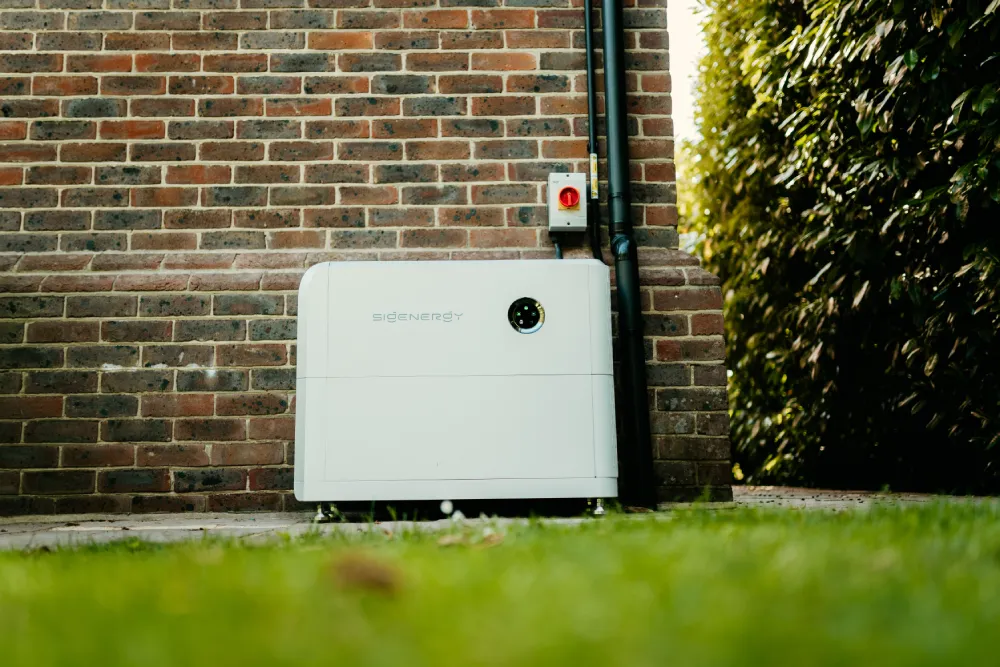
Battery storage is an optional addition that allows homeowners to store unused solar energy for later use.
While adding a battery increases the upfront investment, many homeowners choose storage because it can improve how they use the electricity their panels generate.
Battery-related cost factors include:
| Battery Consideration | How It Can Affect Installation |
| Battery size | Larger storage capacity may increase cost |
| Installation location | Access and cable routes can affect labour |
| System compatibility | Equipment needs to work together correctly |
| Future energy needs | Larger systems may support future changes |
When considering the average cost of solar worthing, it is important to look at the complete system design rather than panels alone.
What Electrical Factors Can Change Solar Installation Prices?
Solar panels need to connect safely with your home’s electrical system. During the design process, installers assess whether any additional work may be required.
Possible factors include:
- Consumer unit suitability
- Cable routes
- Meter location
- Equipment positioning
- Existing electrical setup
Some homes may require minor adjustments, while others may need more detailed electrical planning.
A professional assessment helps identify these requirements before installation begins.
Are Larger Solar Systems Always More Expensive?
Generally, larger systems involve more equipment, but the overall value depends on how well the system matches your home.
A larger system may be suitable if:
- Your household uses a lot of electricity
- You want to charge an electric vehicle
- You plan to add battery storage
- You want greater energy independence
However, installing more panels than your property needs may not always provide the best return.
Good system design focuses on balance rather than simply increasing the size of the installation.
How Can Homeowners Compare Solar Installation Prices Properly?
Comparing solar quotes can be difficult if each company recommends a different system design.
Instead of looking only at the final figure, consider:
- What equipment is included
- Panel quality and warranty information
- Battery options
- Installation experience
- Survey and design process
- Long-term support
A cheaper quote may not always provide the same level of planning or equipment.
All Solar Works can help you understand what is included within your solar proposal, making it easier to compare options and choose a suitable solution.
A Typical Solar Design Example
A homeowner with a three-bedroom property may initially expect a simple solar installation. During the design process, the installer identifies that the roof has limited space due to skylights and partial shading.
Instead of installing panels across unsuitable areas, the system is redesigned with fewer panels in better positions and includes battery storage to improve energy use.
This example shows why a detailed design process is important. The best system is not always the biggest one, but the one that works efficiently for the property.

What type of property do you have?

Detached House

Semi Detached House

Terraced House

Flat or Apartment
Bungalow
It just takes 2 minutes
And then you can book a free consultation
How Much Should Homeowners Expect to Spend on Solar?
The average cost of solar worthing depends on several factors, including system size, equipment choices, roof complexity and whether battery storage is included.
Rather than relying on a general figure, homeowners should consider their own energy usage and property conditions.
A professional quote should explain:
- Recommended system size
- Equipment included
- Installation requirements
- Any additional work needed
- Expected benefits
This gives homeowners a clearer understanding of the investment involved.
Why Professional Solar Design Creates Better Long-Term Value
A well-designed solar system can provide benefits for many years. Careful planning helps ensure panels are positioned correctly, equipment is suitable and future maintenance is easier.
Experienced installers consider:
- Current electricity needs
- Future household changes
- Roof limitations
- Safety requirements
- System performance
This approach helps homeowners make decisions based on long-term value rather than only upfront price.
If you want to understand how your roof and energy requirements affect your installation options, contact All Solar Works for personalised advice.
Related articles
What type of property do you have?
Detached House
Semi Detached House
Terraced House
Flat or Apartment
Bungalow
At a glance
When homeowners start exploring solar panels, one of the first questions is usually about cost. However, the final price of a solar system is influenced by much more than the number of panels installed.
Every property has different requirements. Roof size, panel placement, battery storage, electrical upgrades and installation complexity can all affect the overall investment.
Understanding these design choices can help homeowners make informed decisions and avoid comparing solar systems based only on the lowest initial price.
For anyone researching solar cost worthing, it is important to understand what factors are included in a properly designed installation.
If you would like to understand what your property may require, All Solar Works can provide expert guidance and a tailored recommendation based on your home.
Why Does Solar Design Affect the Final Price?
A solar system is designed around the property where it will be installed. Two homes with similar energy usage can still require completely different solutions.
A straightforward installation with a simple roof layout may involve fewer challenges, while a more complex property could require additional planning and equipment.
The final price can be affected by:
- Number of solar panels required
- Type and efficiency of panels selected
- Roof accessibility
- Electrical requirements
- Battery storage options
- Installation complexity
A detailed design ensures homeowners pay for a system that suits their needs rather than unnecessary equipment.
What Solar Panel Choices Can Influence Cost?
Solar panels are available in different specifications, and the choice of equipment can affect the overall installation price.
Factors that may influence panel costs include:
Panel Efficiency
Higher-efficiency panels can generate more electricity from limited roof space. This can be useful for properties with smaller roofs.
Number of Panels
Larger systems usually require more panels, which can increase the total cost but may provide greater energy generation.
Panel Placement
A roof with limited usable space may require more careful planning to achieve the desired output.
The right option depends on your property, energy usage and long-term goals.
How Does Roof Layout Change Solar Installation Pricing?
Roof design is one of the biggest factors affecting installation complexity.
A simple, open roof can make installation more straightforward. However, some properties require additional planning because of:
- Multiple roof sections
- Dormer windows
- Skylights
- Chimneys
- Limited access areas
Installers need to consider where panels can be placed safely while still achieving good performance.
A carefully planned system may cost differently depending on the level of work involved, but it helps create a more reliable installation.
Does Adding Battery Storage Increase Solar Costs?
Battery storage is an optional addition that allows homeowners to store unused solar energy for later use.
While adding a battery increases the upfront investment, many homeowners choose storage because it can improve how they use the electricity their panels generate.
Battery-related cost factors include:
| Battery Consideration | How It Can Affect Installation |
| Battery size | Larger storage capacity may increase cost |
| Installation location | Access and cable routes can affect labour |
| System compatibility | Equipment needs to work together correctly |
| Future energy needs | Larger systems may support future changes |
When considering the average cost of solar worthing, it is important to look at the complete system design rather than panels alone.
What Electrical Factors Can Change Solar Installation Prices?
Solar panels need to connect safely with your home’s electrical system. During the design process, installers assess whether any additional work may be required.
Possible factors include:
- Consumer unit suitability
- Cable routes
- Meter location
- Equipment positioning
- Existing electrical setup
Some homes may require minor adjustments, while others may need more detailed electrical planning.
A professional assessment helps identify these requirements before installation begins.
Are Larger Solar Systems Always More Expensive?
Generally, larger systems involve more equipment, but the overall value depends on how well the system matches your home.
A larger system may be suitable if:
- Your household uses a lot of electricity
- You want to charge an electric vehicle
- You plan to add battery storage
- You want greater energy independence
However, installing more panels than your property needs may not always provide the best return.
Good system design focuses on balance rather than simply increasing the size of the installation.
How Can Homeowners Compare Solar Installation Prices Properly?
Comparing solar quotes can be difficult if each company recommends a different system design.
Instead of looking only at the final figure, consider:
- What equipment is included
- Panel quality and warranty information
- Battery options
- Installation experience
- Survey and design process
- Long-term support
A cheaper quote may not always provide the same level of planning or equipment.
All Solar Works can help you understand what is included within your solar proposal, making it easier to compare options and choose a suitable solution.
A Typical Solar Design Example
A homeowner with a three-bedroom property may initially expect a simple solar installation. During the design process, the installer identifies that the roof has limited space due to skylights and partial shading.
Instead of installing panels across unsuitable areas, the system is redesigned with fewer panels in better positions and includes battery storage to improve energy use.
This example shows why a detailed design process is important. The best system is not always the biggest one, but the one that works efficiently for the property.
What type of property do you have?
Detached House
Semi Detached House
Terraced House
Flat or Apartment
Bungalow
It just takes 2 minutes
And then you can book a free consultation
How Much Should Homeowners Expect to Spend on Solar?
The average cost of solar worthing depends on several factors, including system size, equipment choices, roof complexity and whether battery storage is included.
Rather than relying on a general figure, homeowners should consider their own energy usage and property conditions.
A professional quote should explain:
- Recommended system size
- Equipment included
- Installation requirements
- Any additional work needed
- Expected benefits
This gives homeowners a clearer understanding of the investment involved.
Why Professional Solar Design Creates Better Long-Term Value
A well-designed solar system can provide benefits for many years. Careful planning helps ensure panels are positioned correctly, equipment is suitable and future maintenance is easier.
Experienced installers consider:
- Current electricity needs
- Future household changes
- Roof limitations
- Safety requirements
- System performance
This approach helps homeowners make decisions based on long-term value rather than only upfront price.
If you want to understand how your roof and energy requirements affect your installation options, contact All Solar Works for personalised advice.
Related articles
What type of property do you have?
Detached House
Semi Detached House
Terraced House
Flat or Apartment
Bungalow