
How Battery Size Affects Your Quote Before Installation Day
Choosing the right battery size is an important part of getting the most from your solar energy system. This guide explains how battery capacity is determined, the factors installers consider, and how to choose a storage solution that suits your household’s energy usage, budget and future plans.

Why you can trust our content
We know that the solar industry is full of misinformation, but we only use reliable sources, including:




At a glance
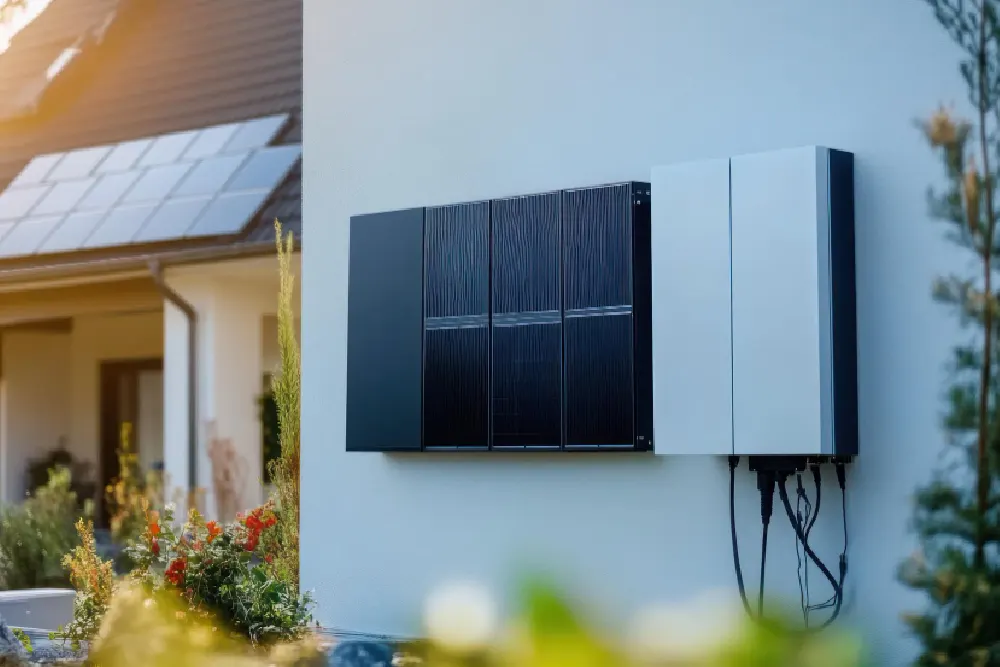
Choosing a battery for your solar system is not simply about selecting the largest capacity available. The right battery size depends on how much electricity your household uses, when you use it and how your solar panels generate energy.
A correctly sized battery can help you store excess solar energy and use it when you need it most. However, choosing a system that is too large or too small could affect the value and practicality of your investment.
For homeowners comparing a battery quote worthing, understanding how battery size influences the final recommendation can make the decision process much clearer.
All Solar Works can assess your energy requirements and help you understand which battery options may be suitable for your home.
Why Does Battery Size Matter?
Battery size determines how much electricity your system can store for later use. The capacity is usually measured in kilowatt-hours (kWh), which indicates how much energy the battery can hold.
A correctly sized battery can help you:
- Use more of the electricity your solar panels generate
- Reduce reliance on electricity from the grid
- Store energy for evening use
- Make better use of renewable energy
However, a larger battery is not automatically the best choice. The ideal size depends on your household habits and energy goals.
How Is the Right Battery Size Calculated?
Installers consider several factors when recommending a battery capacity. The aim is to match the storage system with how your home actually uses energy.
Key considerations include:
| Factor | Why It Matters |
| Daily electricity usage | Shows how much energy needs to be stored |
| Solar panel output | Determines available energy for charging |
| Household routine | Identifies when energy is used most |
| Future changes | Allows planning for increased demand |
| Existing equipment | Ensures system compatibility |
For example, a household that uses most electricity in the evening may benefit from battery storage more than a home that uses most power during daylight hours.
Does a Larger Battery Always Mean Better Savings?
Not necessarily. A larger battery provides more storage capacity, but it also increases the initial investment.
The most suitable battery is one that matches your energy usage. If a battery is much larger than your typical needs, there may be unused capacity.
When considering battery cost worthing, homeowners should look beyond the battery size alone and consider how effectively the system will be used.
A professional installer can help balance storage capacity, energy habits and budget.
What Happens If a Battery Is Too Small?
A battery that is too small may not store enough electricity to cover your evening or overnight usage.
This could mean:
- Solar energy is exported instead of stored
- More electricity is purchased from the grid
- Less of your generated energy is used at home
A smaller battery is not always unsuitable, but it needs to be selected carefully based on your household requirements.

What type of property do you have?

Detached House

Semi Detached House

Terraced House

Flat or Apartment
Bungalow
It just takes 2 minutes
And then you can book a free consultation
How Does Solar Panel Size Affect Battery Choice?
Solar panels and batteries work together, so battery selection should consider the size and output of your solar system.
A larger solar array may generate more electricity, meaning there could be more energy available to store.
Installers consider:
- Number of solar panels
- Expected generation levels
- Seasonal changes
- Household consumption patterns
This helps create a balanced system where solar generation and battery storage work effectively together.
Should You Choose a Battery Based on Future Energy Needs?
Many homeowners consider future changes when choosing battery storage. Your energy usage may increase if you:
- Purchase an electric vehicle
- Work from home more often
- Add additional electrical appliances
- Expand your solar system later
Planning ahead can be useful, but it is important not to oversize a battery based only on possible future changes.
A good design considers realistic future needs while ensuring the system works efficiently today.
How Does Battery Size Influence Installation Requirements?
Battery size can affect more than just the equipment cost. Larger batteries may require additional planning around installation space, electrical connections and placement.
Installers may need to consider:
- Available installation area
- Weight and mounting requirements
- Cable routes
- Compatibility with existing solar equipment
This is why an accurate assessment is important before finalising your system.
What Should Be Included in a Battery Quote?
A detailed quote should explain more than the battery model and price. Homeowners should understand what the installation includes.
A professional battery quote worthing may cover:
- Battery capacity and specifications
- Installation requirements
- Electrical connections
- System compatibility
- Warranty information
- Any additional equipment
Clear information helps homeowners compare options and understand the value of different systems.
If you are unsure what battery size is right for your home, speak to All Solar Works for tailored advice based on your electricity usage and solar setup.
A Typical Battery Sizing Example
A family home may already have solar panels installed but still use significant electricity during the evening when solar generation stops.
During an assessment, the installer reviews the household’s energy usage and recommends a battery size that can store daytime solar generation for evening consumption.
Instead of choosing the largest available battery, the homeowner receives a system designed around actual energy habits.
This creates a more practical and efficient solution.
How Does Battery Size Affect Overall Costs?
Battery capacity is one of several factors that influence the overall investment.
The final price can depend on:
- Battery size
- Equipment quality
- Installation complexity
- Existing solar system setup
- Additional electrical requirements
The battery cost worthing can vary between properties because every installation has different requirements.
A professional quote should explain why a particular battery size has been recommended.
Why Professional Battery Design Matters
Choosing battery storage is a long-term decision. A properly designed system can help homeowners get more value from their solar investment.
Experienced installers consider:
- Current electricity usage
- Solar generation
- Storage requirements
- Future plans
- Installation conditions
This ensures the battery is selected for the home rather than simply based on available capacity options.
To discuss battery storage options for your property, contact All Solar Works and receive expert guidance on designing a suitable system.
Related articles
What type of property do you have?
Detached House
Semi Detached House
Terraced House
Flat or Apartment
Bungalow
At a glance
Choosing a battery for your solar system is not simply about selecting the largest capacity available. The right battery size depends on how much electricity your household uses, when you use it and how your solar panels generate energy.
A correctly sized battery can help you store excess solar energy and use it when you need it most. However, choosing a system that is too large or too small could affect the value and practicality of your investment.
For homeowners comparing a battery quote worthing, understanding how battery size influences the final recommendation can make the decision process much clearer.
All Solar Works can assess your energy requirements and help you understand which battery options may be suitable for your home.
Why Does Battery Size Matter?
Battery size determines how much electricity your system can store for later use. The capacity is usually measured in kilowatt-hours (kWh), which indicates how much energy the battery can hold.
A correctly sized battery can help you:
- Use more of the electricity your solar panels generate
- Reduce reliance on electricity from the grid
- Store energy for evening use
- Make better use of renewable energy
However, a larger battery is not automatically the best choice. The ideal size depends on your household habits and energy goals.
How Is the Right Battery Size Calculated?
Installers consider several factors when recommending a battery capacity. The aim is to match the storage system with how your home actually uses energy.
Key considerations include:
| Factor | Why It Matters |
| Daily electricity usage | Shows how much energy needs to be stored |
| Solar panel output | Determines available energy for charging |
| Household routine | Identifies when energy is used most |
| Future changes | Allows planning for increased demand |
| Existing equipment | Ensures system compatibility |
For example, a household that uses most electricity in the evening may benefit from battery storage more than a home that uses most power during daylight hours.
Does a Larger Battery Always Mean Better Savings?
Not necessarily. A larger battery provides more storage capacity, but it also increases the initial investment.
The most suitable battery is one that matches your energy usage. If a battery is much larger than your typical needs, there may be unused capacity.
When considering battery cost worthing, homeowners should look beyond the battery size alone and consider how effectively the system will be used.
A professional installer can help balance storage capacity, energy habits and budget.
What Happens If a Battery Is Too Small?
A battery that is too small may not store enough electricity to cover your evening or overnight usage.
This could mean:
- Solar energy is exported instead of stored
- More electricity is purchased from the grid
- Less of your generated energy is used at home
A smaller battery is not always unsuitable, but it needs to be selected carefully based on your household requirements.
What type of property do you have?
Detached House
Semi Detached House
Terraced House
Flat or Apartment
Bungalow
It just takes 2 minutes
And then you can book a free consultation
How Does Solar Panel Size Affect Battery Choice?
Solar panels and batteries work together, so battery selection should consider the size and output of your solar system.
A larger solar array may generate more electricity, meaning there could be more energy available to store.
Installers consider:
- Number of solar panels
- Expected generation levels
- Seasonal changes
- Household consumption patterns
This helps create a balanced system where solar generation and battery storage work effectively together.
Should You Choose a Battery Based on Future Energy Needs?
Many homeowners consider future changes when choosing battery storage. Your energy usage may increase if you:
- Purchase an electric vehicle
- Work from home more often
- Add additional electrical appliances
- Expand your solar system later
Planning ahead can be useful, but it is important not to oversize a battery based only on possible future changes.
A good design considers realistic future needs while ensuring the system works efficiently today.
How Does Battery Size Influence Installation Requirements?
Battery size can affect more than just the equipment cost. Larger batteries may require additional planning around installation space, electrical connections and placement.
Installers may need to consider:
- Available installation area
- Weight and mounting requirements
- Cable routes
- Compatibility with existing solar equipment
This is why an accurate assessment is important before finalising your system.
What Should Be Included in a Battery Quote?
A detailed quote should explain more than the battery model and price. Homeowners should understand what the installation includes.
A professional battery quote worthing may cover:
- Battery capacity and specifications
- Installation requirements
- Electrical connections
- System compatibility
- Warranty information
- Any additional equipment
Clear information helps homeowners compare options and understand the value of different systems.
If you are unsure what battery size is right for your home, speak to All Solar Works for tailored advice based on your electricity usage and solar setup.
A Typical Battery Sizing Example
A family home may already have solar panels installed but still use significant electricity during the evening when solar generation stops.
During an assessment, the installer reviews the household’s energy usage and recommends a battery size that can store daytime solar generation for evening consumption.
Instead of choosing the largest available battery, the homeowner receives a system designed around actual energy habits.
This creates a more practical and efficient solution.
How Does Battery Size Affect Overall Costs?
Battery capacity is one of several factors that influence the overall investment.
The final price can depend on:
- Battery size
- Equipment quality
- Installation complexity
- Existing solar system setup
- Additional electrical requirements
The battery cost worthing can vary between properties because every installation has different requirements.
A professional quote should explain why a particular battery size has been recommended.
Why Professional Battery Design Matters
Choosing battery storage is a long-term decision. A properly designed system can help homeowners get more value from their solar investment.
Experienced installers consider:
- Current electricity usage
- Solar generation
- Storage requirements
- Future plans
- Installation conditions
This ensures the battery is selected for the home rather than simply based on available capacity options.
To discuss battery storage options for your property, contact All Solar Works and receive expert guidance on designing a suitable system.
Related articles
What type of property do you have?
Detached House
Semi Detached House
Terraced House
Flat or Apartment
Bungalow