Certified Installers and Battery Setup: Why Usage Matching Matters
Choosing a solar and battery system involves more than deciding…

Why you can trust our content
We know that the solar industry is full of misinformation, but we only use reliable sources, including:




At a glance
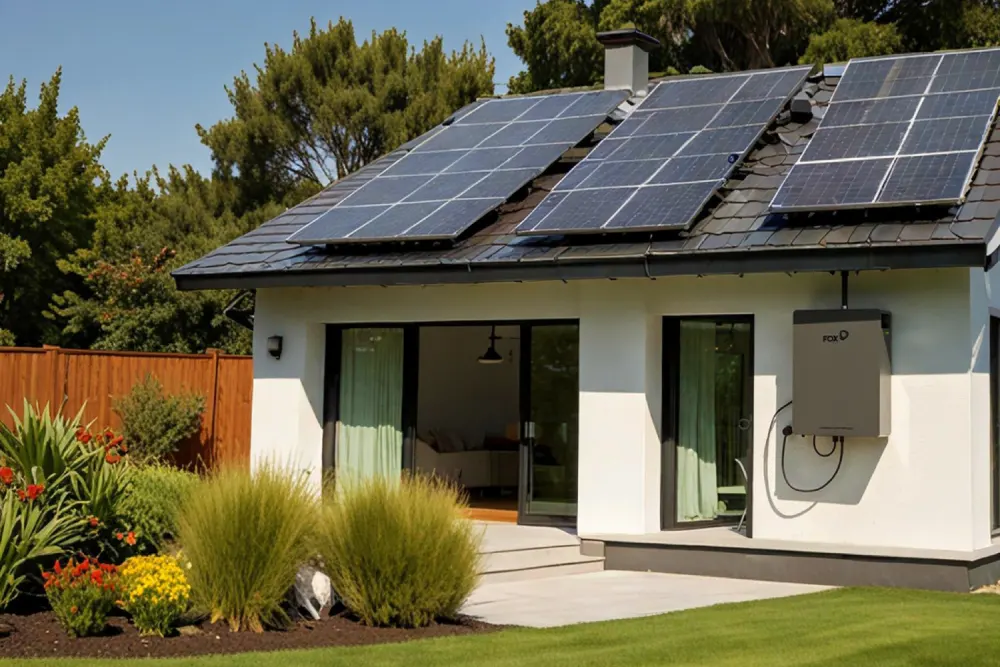
Choosing a solar and battery system involves more than deciding how many panels will fit on the roof. The way a household uses electricity can influence the size, configuration and usefulness of the system.
Installer standards matter too. Homeowners comparing mcs certified solar panel installers should look beyond the certificate itself and consider how carefully the proposed system has been designed.
This becomes particularly important when battery storage is included. A battery should not simply be added because it is available. Its capacity and operation should make sense alongside the property’s solar generation and electricity demand.
For homeowners, the goal is straightforward: a properly assessed property, suitable equipment and an installation designed around how the home actually uses energy.
Why Does Energy Usage Matter When Designing Solar and Battery Systems?
Solar panels generate electricity during daylight, but household demand can occur throughout the day and evening.
If a home uses substantial electricity while the panels are generating, more solar energy may be consumed directly. If the property is largely empty during daylight hours, there may be more surplus generation available for storage or export.
An installer should therefore consider both:
- How much electricity the home uses
- When that electricity is being used
This helps prevent the system from being designed around assumptions rather than the property’s actual requirements.
What Should an Installer Check Before Recommending a Battery?
Battery sizing should be based on the wider energy picture.
Useful information includes:
- Annual electricity consumption
- Typical daytime demand
- Evening electricity use
- Solar system size
- Expected solar generation
- Existing electrical equipment
- Electric vehicle plans
- Future changes to household energy use
A battery that is too small may not capture much of the available surplus on sunny days.
A battery that is unnecessarily large may not regularly receive enough surplus electricity to make full use of its capacity.
The right size depends on the individual property.
If you are considering solar with battery storage, All Solar Works can discuss your electricity habits and property requirements before recommending equipment.
What Does MCS Certification Tell You?
MCS, or the Microgeneration Certification Scheme, is a recognised certification framework for certain renewable energy technologies and installers in the UK.
For homeowners, checking certification can form part of the process of assessing an installer.
However, certification should not be the only factor considered.
It is also sensible to ask about:
- The proposed system design
- Installation experience
- Equipment specifications
- Warranty arrangements
- Electrical work
- Battery integration
- Monitoring
- Aftercare
A certification provides useful reassurance about the installer and relevant standards, while a detailed consultation helps establish whether the proposed system is suitable for your home.
Why Should Solar Panel Installers Ask About Your Daily Routine?
A household’s routine can have a noticeable effect on how solar electricity is used.
For example, consider a home where everyone leaves for work and school during the day. Electricity demand may be relatively low while solar generation is strongest.
Another household may have someone working from home, creating more daytime demand.
The two homes could have similar roofs and annual electricity consumption but different opportunities to use solar electricity directly.
This is why mcs certified solar panel installers should still ask practical questions about how the property is occupied.
Certification and good system design work together, rather than replacing one another.
How Does Battery Storage Work With Solar Panels?
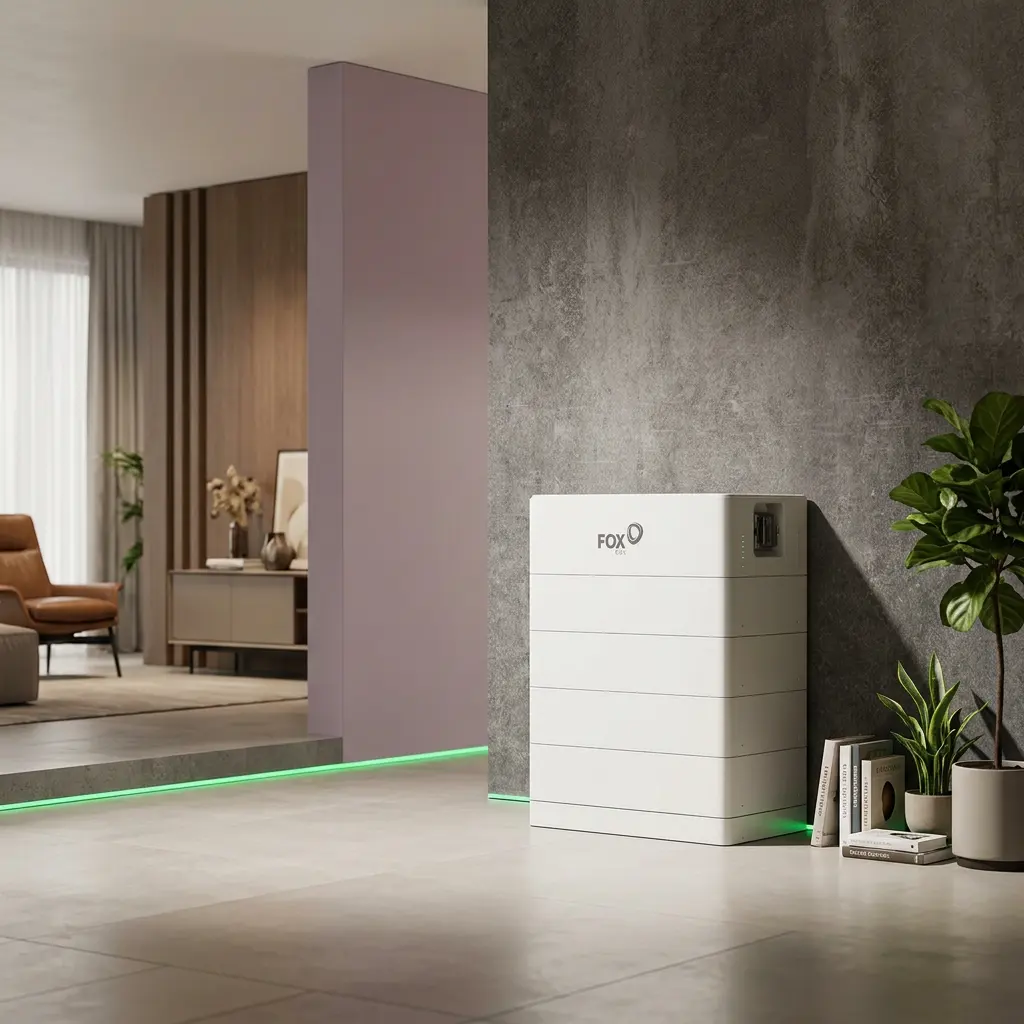
A battery can store electrical energy generated by the solar system for use later.
A simplified pattern might look like this:
Morning: Solar generation begins and household demand rises.
Midday: Solar production may be strongest. Any generation not immediately required can potentially charge the battery.
Afternoon: Solar output begins to reduce while household demand may increase.
Evening: Solar generation falls away, so stored battery energy may be used.
The actual operating pattern depends on the system controls, battery settings, household demand and available solar generation.
A battery does not guarantee that all evening electricity will come from stored solar power.
Can a Battery Be Too Large?
Yes.
It is easy to assume that a larger battery will always provide greater value, but capacity needs to be considered alongside generation and consumption.
Suppose a property has a relatively small solar array and low electricity demand. A very large battery may not have enough surplus solar energy available to charge regularly.
Conversely, a larger household with substantial solar generation and strong evening demand may have a stronger case for greater storage capacity.
The useful question is not simply, “What is the biggest battery available?”
It is, “What battery capacity is appropriate for this property’s generation and electricity use?”
What Should You Know About Battery Installation?
Battery installation involves more than placing a unit on a wall.
The installer needs to consider:
| Consideration | Why it matters |
| Battery capacity | Determines how much energy can be stored |
| Location | Affects installation requirements and accessibility |
| Inverter compatibility | Equipment needs to work together correctly |
| Electrical connections | Must be appropriately designed and installed |
| Ventilation and clearances | Relevant to safe installation |
| Monitoring | Helps homeowners understand system performance |
| Future requirements | May influence equipment selection |
The exact requirements depend on the battery and property.
A professional installer should explain where the battery will be located, how it will integrate with the solar system and what monitoring will be available.
Should You Choose an MCS Certified Battery Installer?
If you are having a battery system installed as part of a renewable energy project, it is sensible to check the installer’s relevant certification and experience.
An mcs certified battery installer should be able to explain how the proposed storage system fits into the wider installation and what standards and requirements apply.
Do not be afraid to ask which certification covers the work being proposed.
It is also useful to confirm:
- Who is carrying out the installation
- What equipment is being installed
- How the battery will integrate with the solar system
- What warranties apply
- What commissioning process is included
- What support is available afterwards
Certification is one part of assessing an installer. The quality of the design and communication remains important too.

What type of property do you have?

Detached House

Semi Detached House

Terraced House

Flat or Apartment
Bungalow
It just takes 2 minutes
And then you can book a free consultation
How Can Smart Meter Data Help?
Smart meter data can provide useful information about when electricity is consumed.
Instead of looking only at annual consumption, an installer can potentially identify patterns such as:
- Morning peaks
- Low daytime use
- Afternoon increases
- Strong evening demand
- Overnight consumption
This can help when deciding whether battery storage is appropriate and how its capacity should be considered.
If you have access to detailed electricity usage information, it is worth discussing it with the installer.
What Future Energy Changes Should You Tell Your Installer About?
Solar and battery systems can remain in use for many years, so today’s electricity habits may not remain the same.
Tell your installer if you are considering:
- An electric vehicle
- Electric heating
- Working from home more often
- Air conditioning
- A property extension
- Additional high-consumption appliances
These changes do not automatically mean you need a larger system.
However, knowing about them allows the installer to consider future electricity demand when selecting equipment and planning the installation.
If your household’s energy requirements are changing, speak to the All Solar Works team before finalising your system. Future plans can be useful when assessing equipment and battery requirements.
How Should You Compare Certified Solar Installers?
Certification is an important consideration, but it should not be the entire decision.
When comparing mcs certified solar panel installers, consider the complete process.
Ask each company:
- How was the system size calculated?
- What electricity usage information was considered?
- How was the roof assessed?
- Why has this battery capacity been recommended?
- What equipment is included?
- What warranties apply?
- What monitoring is provided?
- What installation work is included?
- How is the system commissioned?
- What aftercare is available?
The answers can reveal how much attention has been given to your particular property.
A Typical Family Home Example
Consider a three-bedroom family home where both adults work outside the property and the children attend school.
Electricity use is relatively low during the day but rises sharply from around 5pm. The family also plans to purchase an electric vehicle.
A sensible assessment would consider the home’s roof, current electricity consumption and future EV charging demand. The installer could then discuss the likely solar capacity and whether battery storage has a useful role.
Rather than selecting a battery simply because a particular size is popular, the system would be considered around the household’s generation and demand.
This approach can help avoid paying for equipment that does not match the property’s requirements.
What Are the Signs of a Well-Planned Installation?
A carefully planned proposal should be easy to understand.
Look for:
- A clear explanation of the system design
- Property-specific roof assessment
- Consideration of electricity usage
- Transparent equipment specifications
- Appropriate battery sizing
- Clear installation scope
- Warranty information
- Monitoring arrangements
- Explanation of expected generation
You should also feel comfortable asking questions.
A reputable installer should be able to explain technical decisions in straightforward language rather than expecting homeowners to understand specialist terminology.
What If You Already Have Solar Panels?
Adding a battery to an existing solar installation may still be possible, but compatibility needs to be assessed.
The installer may need information about:
- Existing panels
- Current inverter
- System age
- Electrical configuration
- Existing monitoring
- Available installation space
Do not assume that any battery can simply be connected to any existing solar system.
A suitable assessment can establish whether the existing equipment can work with the proposed storage solution or whether additional equipment is needed.
Why Does Good Installation Matter After the Design Stage?
Even an appropriately designed system needs to be installed correctly.
The installation process can involve roof work, electrical connections, inverter configuration, battery setup and system commissioning.
This is why homeowners should consider the installer as carefully as the equipment itself.
A good process should continue from the initial assessment through installation and handover.
You should know how the system works, how to monitor it and who to contact if a problem occurs.
If you are planning a solar and battery installation and want to discuss system design, certification and usage matching, contact All Solar Works. The team can help you understand the options for your property before installation begins.
Related articles
What type of property do you have?
Detached House
Semi Detached House
Terraced House
Flat or Apartment
Bungalow
At a glance
Choosing a solar and battery system involves more than deciding how many panels will fit on the roof. The way a household uses electricity can influence the size, configuration and usefulness of the system.
Installer standards matter too. Homeowners comparing mcs certified solar panel installers should look beyond the certificate itself and consider how carefully the proposed system has been designed.
This becomes particularly important when battery storage is included. A battery should not simply be added because it is available. Its capacity and operation should make sense alongside the property’s solar generation and electricity demand.
For homeowners, the goal is straightforward: a properly assessed property, suitable equipment and an installation designed around how the home actually uses energy.
Why Does Energy Usage Matter When Designing Solar and Battery Systems?
Solar panels generate electricity during daylight, but household demand can occur throughout the day and evening.
If a home uses substantial electricity while the panels are generating, more solar energy may be consumed directly. If the property is largely empty during daylight hours, there may be more surplus generation available for storage or export.
An installer should therefore consider both:
- How much electricity the home uses
- When that electricity is being used
This helps prevent the system from being designed around assumptions rather than the property’s actual requirements.
What Should an Installer Check Before Recommending a Battery?
Battery sizing should be based on the wider energy picture.
Useful information includes:
- Annual electricity consumption
- Typical daytime demand
- Evening electricity use
- Solar system size
- Expected solar generation
- Existing electrical equipment
- Electric vehicle plans
- Future changes to household energy use
A battery that is too small may not capture much of the available surplus on sunny days.
A battery that is unnecessarily large may not regularly receive enough surplus electricity to make full use of its capacity.
The right size depends on the individual property.
If you are considering solar with battery storage, All Solar Works can discuss your electricity habits and property requirements before recommending equipment.
What Does MCS Certification Tell You?
MCS, or the Microgeneration Certification Scheme, is a recognised certification framework for certain renewable energy technologies and installers in the UK.
For homeowners, checking certification can form part of the process of assessing an installer.
However, certification should not be the only factor considered.
It is also sensible to ask about:
- The proposed system design
- Installation experience
- Equipment specifications
- Warranty arrangements
- Electrical work
- Battery integration
- Monitoring
- Aftercare
A certification provides useful reassurance about the installer and relevant standards, while a detailed consultation helps establish whether the proposed system is suitable for your home.
Why Should Solar Panel Installers Ask About Your Daily Routine?
A household’s routine can have a noticeable effect on how solar electricity is used.
For example, consider a home where everyone leaves for work and school during the day. Electricity demand may be relatively low while solar generation is strongest.
Another household may have someone working from home, creating more daytime demand.
The two homes could have similar roofs and annual electricity consumption but different opportunities to use solar electricity directly.
This is why mcs certified solar panel installers should still ask practical questions about how the property is occupied.
Certification and good system design work together, rather than replacing one another.
How Does Battery Storage Work With Solar Panels?
A battery can store electrical energy generated by the solar system for use later.
A simplified pattern might look like this:
Morning: Solar generation begins and household demand rises.
Midday: Solar production may be strongest. Any generation not immediately required can potentially charge the battery.
Afternoon: Solar output begins to reduce while household demand may increase.
Evening: Solar generation falls away, so stored battery energy may be used.
The actual operating pattern depends on the system controls, battery settings, household demand and available solar generation.
A battery does not guarantee that all evening electricity will come from stored solar power.
Can a Battery Be Too Large?
Yes.
It is easy to assume that a larger battery will always provide greater value, but capacity needs to be considered alongside generation and consumption.
Suppose a property has a relatively small solar array and low electricity demand. A very large battery may not have enough surplus solar energy available to charge regularly.
Conversely, a larger household with substantial solar generation and strong evening demand may have a stronger case for greater storage capacity.
The useful question is not simply, “What is the biggest battery available?”
It is, “What battery capacity is appropriate for this property’s generation and electricity use?”
What Should You Know About Battery Installation?
Battery installation involves more than placing a unit on a wall.
The installer needs to consider:
| Consideration | Why it matters |
| Battery capacity | Determines how much energy can be stored |
| Location | Affects installation requirements and accessibility |
| Inverter compatibility | Equipment needs to work together correctly |
| Electrical connections | Must be appropriately designed and installed |
| Ventilation and clearances | Relevant to safe installation |
| Monitoring | Helps homeowners understand system performance |
| Future requirements | May influence equipment selection |
The exact requirements depend on the battery and property.
A professional installer should explain where the battery will be located, how it will integrate with the solar system and what monitoring will be available.
Should You Choose an MCS Certified Battery Installer?
If you are having a battery system installed as part of a renewable energy project, it is sensible to check the installer’s relevant certification and experience.
An mcs certified battery installer should be able to explain how the proposed storage system fits into the wider installation and what standards and requirements apply.
Do not be afraid to ask which certification covers the work being proposed.
It is also useful to confirm:
- Who is carrying out the installation
- What equipment is being installed
- How the battery will integrate with the solar system
- What warranties apply
- What commissioning process is included
- What support is available afterwards
Certification is one part of assessing an installer. The quality of the design and communication remains important too.
What type of property do you have?
Detached House
Semi Detached House
Terraced House
Flat or Apartment
Bungalow
It just takes 2 minutes
And then you can book a free consultation
How Can Smart Meter Data Help?
Smart meter data can provide useful information about when electricity is consumed.
Instead of looking only at annual consumption, an installer can potentially identify patterns such as:
- Morning peaks
- Low daytime use
- Afternoon increases
- Strong evening demand
- Overnight consumption
This can help when deciding whether battery storage is appropriate and how its capacity should be considered.
If you have access to detailed electricity usage information, it is worth discussing it with the installer.
What Future Energy Changes Should You Tell Your Installer About?
Solar and battery systems can remain in use for many years, so today’s electricity habits may not remain the same.
Tell your installer if you are considering:
- An electric vehicle
- Electric heating
- Working from home more often
- Air conditioning
- A property extension
- Additional high-consumption appliances
These changes do not automatically mean you need a larger system.
However, knowing about them allows the installer to consider future electricity demand when selecting equipment and planning the installation.
If your household’s energy requirements are changing, speak to the All Solar Works team before finalising your system. Future plans can be useful when assessing equipment and battery requirements.
How Should You Compare Certified Solar Installers?
Certification is an important consideration, but it should not be the entire decision.
When comparing mcs certified solar panel installers, consider the complete process.
Ask each company:
- How was the system size calculated?
- What electricity usage information was considered?
- How was the roof assessed?
- Why has this battery capacity been recommended?
- What equipment is included?
- What warranties apply?
- What monitoring is provided?
- What installation work is included?
- How is the system commissioned?
- What aftercare is available?
The answers can reveal how much attention has been given to your particular property.
A Typical Family Home Example
Consider a three-bedroom family home where both adults work outside the property and the children attend school.
Electricity use is relatively low during the day but rises sharply from around 5pm. The family also plans to purchase an electric vehicle.
A sensible assessment would consider the home’s roof, current electricity consumption and future EV charging demand. The installer could then discuss the likely solar capacity and whether battery storage has a useful role.
Rather than selecting a battery simply because a particular size is popular, the system would be considered around the household’s generation and demand.
This approach can help avoid paying for equipment that does not match the property’s requirements.
What Are the Signs of a Well-Planned Installation?
A carefully planned proposal should be easy to understand.
Look for:
- A clear explanation of the system design
- Property-specific roof assessment
- Consideration of electricity usage
- Transparent equipment specifications
- Appropriate battery sizing
- Clear installation scope
- Warranty information
- Monitoring arrangements
- Explanation of expected generation
You should also feel comfortable asking questions.
A reputable installer should be able to explain technical decisions in straightforward language rather than expecting homeowners to understand specialist terminology.
What If You Already Have Solar Panels?
Adding a battery to an existing solar installation may still be possible, but compatibility needs to be assessed.
The installer may need information about:
- Existing panels
- Current inverter
- System age
- Electrical configuration
- Existing monitoring
- Available installation space
Do not assume that any battery can simply be connected to any existing solar system.
A suitable assessment can establish whether the existing equipment can work with the proposed storage solution or whether additional equipment is needed.
Why Does Good Installation Matter After the Design Stage?
Even an appropriately designed system needs to be installed correctly.
The installation process can involve roof work, electrical connections, inverter configuration, battery setup and system commissioning.
This is why homeowners should consider the installer as carefully as the equipment itself.
A good process should continue from the initial assessment through installation and handover.
You should know how the system works, how to monitor it and who to contact if a problem occurs.
If you are planning a solar and battery installation and want to discuss system design, certification and usage matching, contact All Solar Works. The team can help you understand the options for your property before installation begins.
Related articles
What type of property do you have?
Detached House
Semi Detached House
Terraced House
Flat or Apartment
Bungalow