Warranties, Certificates and Installer Details: Your Post-Installation Checklist
Keeping your solar and battery paperwork organised can save time when you need maintenance, make a warranty claim or sell your home. From certificates and warranties to installer details and equipment serial numbers, this guide explains what homeowners should keep safely after installation.

Why you can trust our content
We know that the solar industry is full of misinformation, but we only use reliable sources, including:





At a glance
At a glance
Once a solar or battery system is producing energy, it is tempting to put the paperwork away and forget about it. However, warranties, certificates and installer details can become particularly valuable when you need maintenance, make a warranty claim or sell your home.
The safest approach is to treat the post-installation paperwork as part of the system itself. Knowing what you have, who supplied it and what protection applies can save considerable time later.
Whether you have recently completed an installation or are comparing companies, this checklist can help you understand what should be recorded.
If you would like help reviewing the information supplied with your system, contact All Solar Works for practical guidance.
What should you check immediately after installation?
The first step is to make sure the paperwork matches what has actually been installed.
Check the following details:
A mismatch does not automatically indicate a problem, but it should be clarified while the installation is recent.
For example, if the paperwork lists a different inverter model from the one installed, ask the installer to confirm the correct information and update the records if necessary.
Which warranties should homeowners keep?
A solar installation can involve several different warranties, and they do not necessarily cover the same thing.
You may have:
| Warranty type | What it generally covers |
| Panel product warranty | Defects or manufacturing issues with the panels |
| Panel performance warranty | Minimum stated performance over time |
| Inverter warranty | Eligible faults affecting the inverter |
| Battery warranty | Specific defects and performance conditions |
| Workmanship warranty | Certain issues associated with installation work |
| Mounting equipment warranty | Relevant components supplied by the manufacturer |
Always read the actual warranty terms rather than assuming every fault is covered.
Pay attention to the warranty period, exclusions, registration requirements and the process for making a claim. Some manufacturer warranties may also have specific conditions relating to installation, maintenance or authorised procedures.
A solar installation specialist should be able to explain which warranties apply to the equipment they have installed and who is responsible for handling different types of problems.
Why are certificates important?
Certificates provide evidence that particular aspects of the installation have been completed, tested or certified as required.
The exact documents will depend on the system and circumstances, but relevant paperwork may include electrical installation documentation, MCS certification where applicable and commissioning records.
These records can be useful for future maintenance and may also be relevant when dealing with other parties, such as an energy supplier or prospective property buyer.
Do not assume that certificates are only important immediately after installation. Some may remain relevant for as long as the equipment is installed at your property.
How can you check an installer’s credentials?
When choosing a solar installation specialist, it is sensible to verify credentials rather than relying solely on advertising claims.
If an installer says they are certified under a particular scheme, check the current certification through the appropriate official register or organisation.
This is especially important when comparing battery installations. A homeowner looking for an mcs certified battery installer should confirm the company’s current certification and understand whether it covers the work being proposed.
Certification is only one part of choosing an installer, but it provides useful information when considered alongside experience, workmanship, warranties and aftercare.
What should you know about battery warranties?
Battery storage introduces another layer of warranty information.
Battery manufacturers can specify coverage based on factors such as time, energy throughput, operating conditions or minimum retained capacity. The precise terms differ between products.
Keep the battery model and serial number with its warranty documentation. If a warranty claim becomes necessary several years later, having these details available can make the process easier.
You should also understand whether the installer or manufacturer is the first point of contact for a problem.
For a homeowner comparing an mcs certified battery installer, asking how warranty claims are handled can be just as useful as asking about the length of the warranty.
What installer details should you save?
Do not rely on an old email thread or assume the company website will always contain the same contact information.
Save:
A digital folder is often the simplest option. You can keep the documents alongside photographs of the inverter, battery and identification labels.
If the installer changes its contact details, update your records rather than allowing old information to become your only route to support.
What should you do if the installer is no longer trading?
This is one reason not to rely entirely on the original installer for documentation.
Keep manufacturer warranties, certificates, invoices and equipment information independently. If an installer later closes or stops providing services, you may still need to contact equipment manufacturers or another suitably qualified professional.
Having a complete record makes it easier for another company to understand what was installed.
A missing installer does not necessarily mean your equipment has lost all protection. The terms of each warranty determine who provides cover and what evidence is required.
If you have inherited a solar or battery system and are unsure what documents you should have, speak to All Solar Works about the information available and the next steps worth considering.
What if your paperwork is incomplete?
Do not ignore missing information simply because the system is working.
Start by making a list of what you have and what appears to be missing. Then contact the original installer or relevant manufacturer to ask whether replacement documentation is available.
Useful evidence can include:
If you cannot establish the full history, a qualified professional may be able to inspect the system and explain what can reasonably be confirmed.
A typical post-installation example
Consider a homeowner in Worthing who has solar panels installed with battery storage. The system performs well for several years, but the battery later develops an error.
Because the homeowner has kept the battery model, serial number, warranty information, commissioning records and installer details together, they can quickly establish what equipment is involved and who should be contacted.
Now consider the same situation without those records. The homeowner may need to identify the equipment from photographs, search old emails and establish whether the battery is still within its warranty period.
Good record keeping does not guarantee a faster repair, but it can remove unnecessary uncertainty.
Is the longest warranty always the best option?
Not necessarily.
A long warranty can be useful, but the important question is what the warranty actually covers and under which conditions.
When comparing installations, look beyond the headline number. Consider:
A shorter but clearly explained warranty may be more useful than a longer warranty that has significant restrictions.
A solar installation specialist should be willing to explain these differences without relying on technical language or vague promises.
Related articles


What type of property do you have?

Detached House

Semi Detached House

Terraced House

Flat or Apartment
Bungalow
At a glance
At a glance
Once a solar or battery system is producing energy, it is tempting to put the paperwork away and forget about it. However, warranties, certificates and installer details can become particularly valuable when you need maintenance, make a warranty claim or sell your home.
The safest approach is to treat the post-installation paperwork as part of the system itself. Knowing what you have, who supplied it and what protection applies can save considerable time later.
Whether you have recently completed an installation or are comparing companies, this checklist can help you understand what should be recorded.
If you would like help reviewing the information supplied with your system, contact All Solar Works for practical guidance.
What should you check immediately after installation?
The first step is to make sure the paperwork matches what has actually been installed.
Check the following details:
A mismatch does not automatically indicate a problem, but it should be clarified while the installation is recent.
For example, if the paperwork lists a different inverter model from the one installed, ask the installer to confirm the correct information and update the records if necessary.
Which warranties should homeowners keep?
A solar installation can involve several different warranties, and they do not necessarily cover the same thing.
You may have:
| Warranty type | What it generally covers |
| Panel product warranty | Defects or manufacturing issues with the panels |
| Panel performance warranty | Minimum stated performance over time |
| Inverter warranty | Eligible faults affecting the inverter |
| Battery warranty | Specific defects and performance conditions |
| Workmanship warranty | Certain issues associated with installation work |
| Mounting equipment warranty | Relevant components supplied by the manufacturer |
Always read the actual warranty terms rather than assuming every fault is covered.
Pay attention to the warranty period, exclusions, registration requirements and the process for making a claim. Some manufacturer warranties may also have specific conditions relating to installation, maintenance or authorised procedures.
A solar installation specialist should be able to explain which warranties apply to the equipment they have installed and who is responsible for handling different types of problems.
Why are certificates important?
Certificates provide evidence that particular aspects of the installation have been completed, tested or certified as required.
The exact documents will depend on the system and circumstances, but relevant paperwork may include electrical installation documentation, MCS certification where applicable and commissioning records.
These records can be useful for future maintenance and may also be relevant when dealing with other parties, such as an energy supplier or prospective property buyer.
Do not assume that certificates are only important immediately after installation. Some may remain relevant for as long as the equipment is installed at your property.
How can you check an installer’s credentials?
When choosing a solar installation specialist, it is sensible to verify credentials rather than relying solely on advertising claims.
If an installer says they are certified under a particular scheme, check the current certification through the appropriate official register or organisation.
This is especially important when comparing battery installations. A homeowner looking for an mcs certified battery installer should confirm the company’s current certification and understand whether it covers the work being proposed.
Certification is only one part of choosing an installer, but it provides useful information when considered alongside experience, workmanship, warranties and aftercare.
What should you know about battery warranties?
Battery storage introduces another layer of warranty information.
Battery manufacturers can specify coverage based on factors such as time, energy throughput, operating conditions or minimum retained capacity. The precise terms differ between products.
Keep the battery model and serial number with its warranty documentation. If a warranty claim becomes necessary several years later, having these details available can make the process easier.
You should also understand whether the installer or manufacturer is the first point of contact for a problem.
For a homeowner comparing an mcs certified battery installer, asking how warranty claims are handled can be just as useful as asking about the length of the warranty.
What installer details should you save?
Do not rely on an old email thread or assume the company website will always contain the same contact information.
Save:
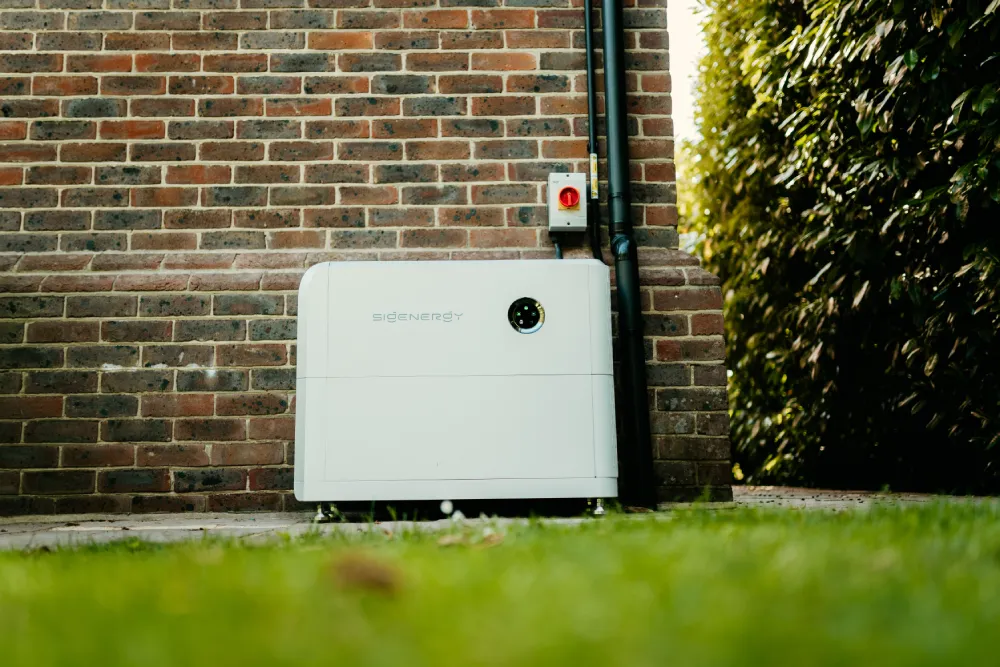
A digital folder is often the simplest option. You can keep the documents alongside photographs of the inverter, battery and identification labels.
If the installer changes its contact details, update your records rather than allowing old information to become your only route to support.
What should you do if the installer is no longer trading?
This is one reason not to rely entirely on the original installer for documentation.
Keep manufacturer warranties, certificates, invoices and equipment information independently. If an installer later closes or stops providing services, you may still need to contact equipment manufacturers or another suitably qualified professional.
Having a complete record makes it easier for another company to understand what was installed.
A missing installer does not necessarily mean your equipment has lost all protection. The terms of each warranty determine who provides cover and what evidence is required.
If you have inherited a solar or battery system and are unsure what documents you should have, speak to All Solar Works about the information available and the next steps worth considering.
What if your paperwork is incomplete?
Do not ignore missing information simply because the system is working.
Start by making a list of what you have and what appears to be missing. Then contact the original installer or relevant manufacturer to ask whether replacement documentation is available.
Useful evidence can include:
If you cannot establish the full history, a qualified professional may be able to inspect the system and explain what can reasonably be confirmed.
A typical post-installation example
Consider a homeowner in Worthing who has solar panels installed with battery storage. The system performs well for several years, but the battery later develops an error.
Because the homeowner has kept the battery model, serial number, warranty information, commissioning records and installer details together, they can quickly establish what equipment is involved and who should be contacted.
Now consider the same situation without those records. The homeowner may need to identify the equipment from photographs, search old emails and establish whether the battery is still within its warranty period.
Good record keeping does not guarantee a faster repair, but it can remove unnecessary uncertainty.
Is the longest warranty always the best option?
Not necessarily.
A long warranty can be useful, but the important question is what the warranty actually covers and under which conditions.
When comparing installations, look beyond the headline number. Consider:
A shorter but clearly explained warranty may be more useful than a longer warranty that has significant restrictions.
A solar installation specialist should be willing to explain these differences without relying on technical language or vague promises.
Related articles
What type of property do you have?
Detached House
Semi Detached House
Terraced House
Flat or Apartment
Bungalow