Solar Fitters, Access and Aftercare: What Matters Beyond Installation Day
A successful solar installation involves more than fitting panels to the roof. For homeowners in Worthing, factors such as roof condition, access, battery positioning, electrical work, safety and aftercare all need to be considered. Discover what to ask solar and battery fitters before installation and how proper planning can help ensure a smoother installation.

Why you can trust our content
We know that the solar industry is full of misinformation, but we only use reliable sources, including:




At a glance
Solar installation is often pictured as a simple process: panels arrive, fitters work on the roof, the system is connected and the job is finished. In reality, there is much more to a successful installation than getting panels securely onto the roof.
Access, preparation, electrical work, equipment positioning, safety and the final handover all affect the quality of the finished system. Good planning can also make the installation more straightforward and reduce avoidable disruption.
For homeowners researching solar and battery fitters worthing, it is worth looking beyond the installation day itself. The right questions can help you understand how the property will be assessed, how access will be managed and what support you can expect afterwards.
If you are planning solar for your home, contact All Solar Works to discuss the practical requirements before committing to an installation.
What should solar fitters assess before installation?
A proper installation begins well before anyone climbs onto the roof.
The installer should consider the property and proposed system, including:
A survey helps identify issues before installation day rather than discovering them when work has already started.
This is particularly important for older homes, unusual roof layouts or properties where access is restricted.
Why does roof access matter?
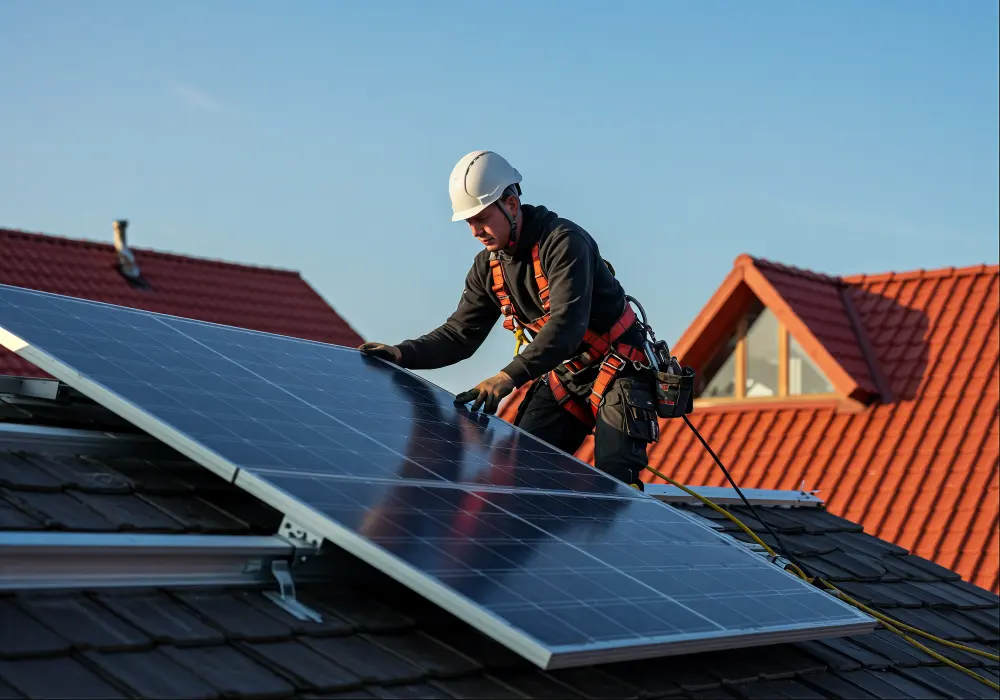
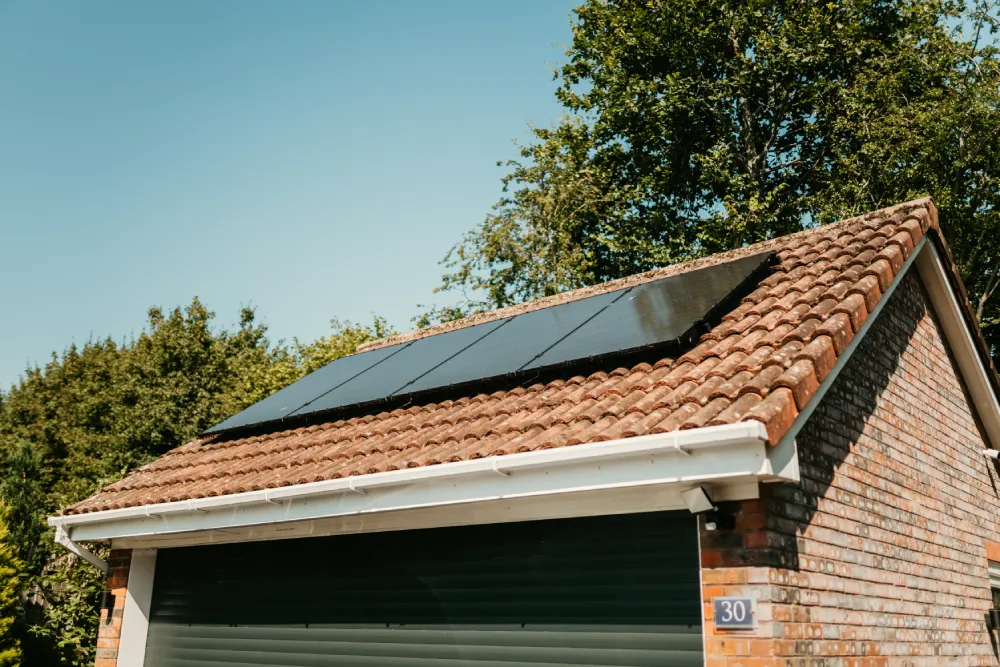
Roof work requires careful planning because installers need safe and practical access to the working area.
Scaffolding or other access arrangements may be required depending on the property and installation method. The installer should explain what is needed and whether the cost is included in the quotation.
Homeowners should also understand whether there are any access limitations that could affect the installation.
For example, a narrow side passage, conservatory roof or difficult rear access may require additional planning. Identifying these conditions during the survey helps the installation team prepare appropriately.
A good installation is not about rushing through access arrangements. It is about creating a safe working environment while protecting the property.
What should you ask about roof condition?
Solar panels are designed to remain installed for many years, so the condition of the roof matters.
If the roof covering is already approaching the end of its useful life, it may be worth discussing this before installing panels.
Ask the installer whether the survey has identified any obvious concerns.
Potential considerations include:
An installer is not necessarily carrying out a full structural or roofing survey, so any concerns should be dealt with by the appropriate professional.
The important point is to avoid treating the panels as completely separate from the roof supporting them.
How should battery access be planned?
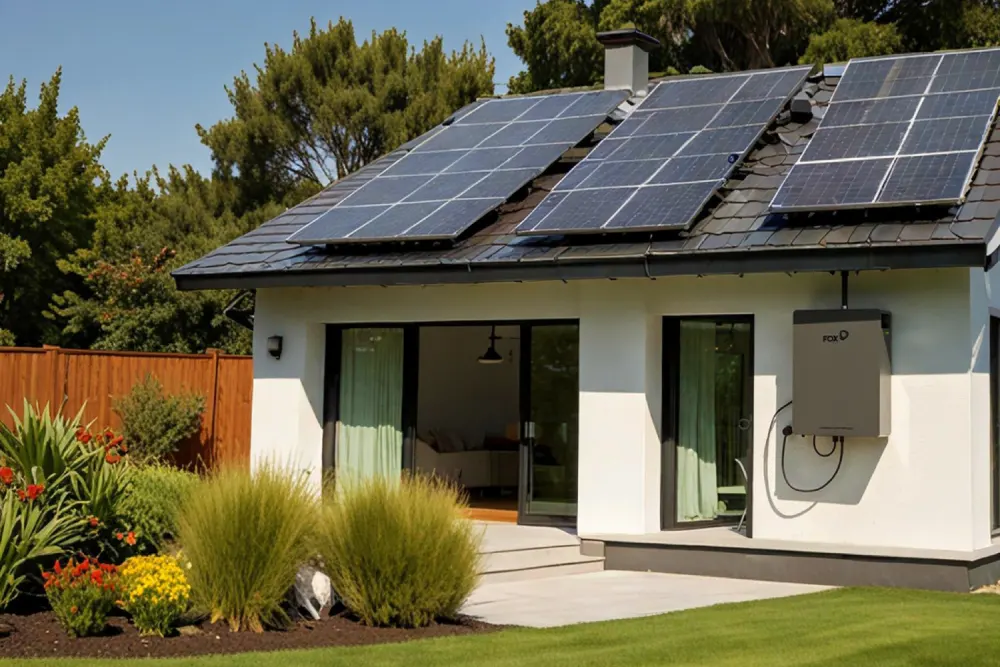
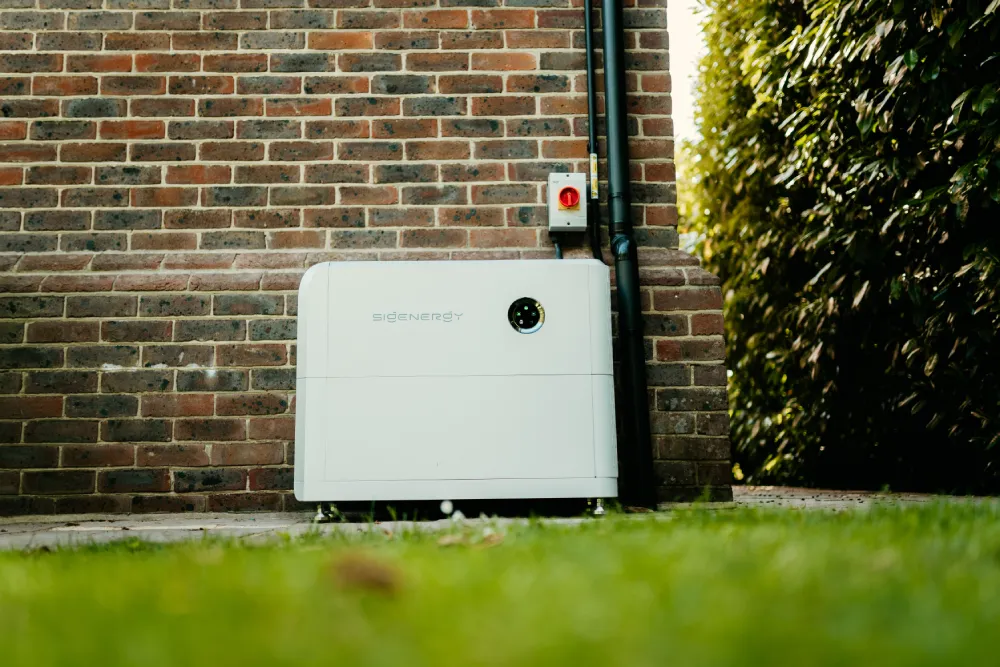
Battery storage needs careful positioning because the battery is another substantial piece of equipment within the home.
The proposed location should take account of the manufacturer’s requirements, available space, access, ventilation and relevant installation guidance.
A convenient location is not automatically a suitable location.
Ask where the battery will be installed and why that position has been selected. You should also understand whether the location allows appropriate access for future inspection or servicing.
What makes installation work look professional?
A well-finished installation is not simply one where the panels are producing electricity.
Pay attention to details such as:
The visual finish matters, but so does what you cannot see.
Electrical connections, mounting arrangements and system configuration all need to be completed appropriately for the specific installation.
When comparing solar and battery fitters worthing, ask about the installation process rather than judging a company only by photographs of completed roofs.

What type of property do you have?

Detached House

Semi Detached House

Terraced House

Flat or Apartment
Bungalow
It just takes 2 minutes
And then you can book a free consultation
What should happen when installation is finished?
The final stage should include more than removing tools and leaving the property.
A useful handover should cover:
- System operation
- Monitoring access
- Battery controls, if installed
- Relevant certificates
- Equipment warranties
- Workmanship warranty
- Installer contact information
- Fault reporting
- Basic maintenance guidance
You should also know what to do if an alert appears on the monitoring app or if the system behaves differently from normal.
Does aftercare matter as much as fitting?
It may not be the first thing homeowners think about, but aftercare can become important years after installation.
Solar equipment can have long warranty periods, and homeowners may eventually need help with a fault, monitoring issue or equipment question.
A company that provides clear aftercare should explain:
For anyone comparing solar and battery fitters worthing, these questions can help distinguish a complete service from one focused primarily on installation day.
All Solar Works can discuss the installation process, access requirements and aftercare arrangements so you know what to expect before work begins.
What about disruption to the household?
Any roof installation creates some temporary disruption, but good planning can help minimise it.
Ask about:
This is particularly helpful if you work from home, have children or need regular access around the property.
A professional installer should be able to give you a reasonable outline of what to expect.
A typical Worthing installation scenario
Consider a semi-detached home where the homeowner wants solar panels and battery storage. The roof itself is suitable, but access to the rear is limited.
During the pre-installation survey, the installer identifies the access issue and plans the necessary arrangements in advance. The battery position is also selected before equipment arrives, allowing the electrical work and cable routes to be planned properly.
The result is a smoother installation with fewer unexpected decisions being made on the day.
This illustrates why preparation matters. Many installation problems can be reduced when access, equipment and system layout are considered early.
How can you compare installers beyond the price?
Price is important, but it should be one part of the decision.
Compare:
| Factor | What to look for |
| Survey | Clear assessment before installation |
| Access | Safe arrangements explained in advance |
| Equipment | Specific makes and models |
| Installation | Appropriate mounting and electrical work |
| Handover | Clear operating information |
| Certification | Relevant documentation |
| Warranties | Equipment and workmanship protection |
| Aftercare | Clear support route |
| Communication | Straightforward answers to questions |
This gives you a more realistic picture of the service.
When researching solar worthing, remember that a professional installation should be planned around the property rather than treated as a one-size-fits-all package.
What should you do before the fitters arrive?
Once the installation has been confirmed, a little preparation can make the day easier.
You may want to:
Your installer should tell you if there are specific preparations required for your property.
Related articles
What type of property do you have?
Detached House
Semi Detached House
Terraced House
Flat or Apartment
Bungalow
At a glance
Solar installation is often pictured as a simple process: panels arrive, fitters work on the roof, the system is connected and the job is finished. In reality, there is much more to a successful installation than getting panels securely onto the roof.
Access, preparation, electrical work, equipment positioning, safety and the final handover all affect the quality of the finished system. Good planning can also make the installation more straightforward and reduce avoidable disruption.
For homeowners researching solar and battery fitters worthing, it is worth looking beyond the installation day itself. The right questions can help you understand how the property will be assessed, how access will be managed and what support you can expect afterwards.
If you are planning solar for your home, contact All Solar Works to discuss the practical requirements before committing to an installation.
What should solar fitters assess before installation?
A proper installation begins well before anyone climbs onto the roof.
The installer should consider the property and proposed system, including:
A survey helps identify issues before installation day rather than discovering them when work has already started.
This is particularly important for older homes, unusual roof layouts or properties where access is restricted.
Why does roof access matter?
Roof work requires careful planning because installers need safe and practical access to the working area.
Scaffolding or other access arrangements may be required depending on the property and installation method. The installer should explain what is needed and whether the cost is included in the quotation.
Homeowners should also understand whether there are any access limitations that could affect the installation.
For example, a narrow side passage, conservatory roof or difficult rear access may require additional planning. Identifying these conditions during the survey helps the installation team prepare appropriately.
A good installation is not about rushing through access arrangements. It is about creating a safe working environment while protecting the property.
What should you ask about roof condition?
Solar panels are designed to remain installed for many years, so the condition of the roof matters.
If the roof covering is already approaching the end of its useful life, it may be worth discussing this before installing panels.
Ask the installer whether the survey has identified any obvious concerns.
Potential considerations include:
An installer is not necessarily carrying out a full structural or roofing survey, so any concerns should be dealt with by the appropriate professional.
The important point is to avoid treating the panels as completely separate from the roof supporting them.
How should battery access be planned?
Battery storage needs careful positioning because the battery is another substantial piece of equipment within the home.
The proposed location should take account of the manufacturer’s requirements, available space, access, ventilation and relevant installation guidance.
A convenient location is not automatically a suitable location.
Ask where the battery will be installed and why that position has been selected. You should also understand whether the location allows appropriate access for future inspection or servicing.
What makes installation work look professional?
A well-finished installation is not simply one where the panels are producing electricity.
Pay attention to details such as:
The visual finish matters, but so does what you cannot see.
Electrical connections, mounting arrangements and system configuration all need to be completed appropriately for the specific installation.
When comparing solar and battery fitters worthing, ask about the installation process rather than judging a company only by photographs of completed roofs.
What type of property do you have?
Detached House
Semi Detached House
Terraced House
Flat or Apartment
Bungalow
It just takes 2 minutes
And then you can book a free consultation
What should happen when installation is finished?
The final stage should include more than removing tools and leaving the property.
A useful handover should cover:
- System operation
- Monitoring access
- Battery controls, if installed
- Relevant certificates
- Equipment warranties
- Workmanship warranty
- Installer contact information
- Fault reporting
- Basic maintenance guidance
You should also know what to do if an alert appears on the monitoring app or if the system behaves differently from normal.
Does aftercare matter as much as fitting?
It may not be the first thing homeowners think about, but aftercare can become important years after installation.
Solar equipment can have long warranty periods, and homeowners may eventually need help with a fault, monitoring issue or equipment question.
A company that provides clear aftercare should explain:
For anyone comparing solar and battery fitters worthing, these questions can help distinguish a complete service from one focused primarily on installation day.
All Solar Works can discuss the installation process, access requirements and aftercare arrangements so you know what to expect before work begins.
What about disruption to the household?
Any roof installation creates some temporary disruption, but good planning can help minimise it.
Ask about:
This is particularly helpful if you work from home, have children or need regular access around the property.
A professional installer should be able to give you a reasonable outline of what to expect.
A typical Worthing installation scenario
Consider a semi-detached home where the homeowner wants solar panels and battery storage. The roof itself is suitable, but access to the rear is limited.
During the pre-installation survey, the installer identifies the access issue and plans the necessary arrangements in advance. The battery position is also selected before equipment arrives, allowing the electrical work and cable routes to be planned properly.
The result is a smoother installation with fewer unexpected decisions being made on the day.
This illustrates why preparation matters. Many installation problems can be reduced when access, equipment and system layout are considered early.
How can you compare installers beyond the price?
Price is important, but it should be one part of the decision.
Compare:
| Factor | What to look for |
| Survey | Clear assessment before installation |
| Access | Safe arrangements explained in advance |
| Equipment | Specific makes and models |
| Installation | Appropriate mounting and electrical work |
| Handover | Clear operating information |
| Certification | Relevant documentation |
| Warranties | Equipment and workmanship protection |
| Aftercare | Clear support route |
| Communication | Straightforward answers to questions |
This gives you a more realistic picture of the service.
When researching solar worthing, remember that a professional installation should be planned around the property rather than treated as a one-size-fits-all package.
What should you do before the fitters arrive?
Once the installation has been confirmed, a little preparation can make the day easier.
You may want to:
Your installer should tell you if there are specific preparations required for your property.
Related articles
What type of property do you have?
Detached House
Semi Detached House
Terraced House
Flat or Apartment
Bungalow