Is Your Electricity Use Too High for a Standard Solar Setup? Sizing for Busy Worthing Homes
Discover how to size solar panels for high-energy homes in Worthing. Learn how EVs, heat pumps and changing electricity usage affect solar capacity, battery storage and system design.

Why you can trust our content
We know that the solar industry is full of misinformation, but we only use reliable sources, including:




At a glance
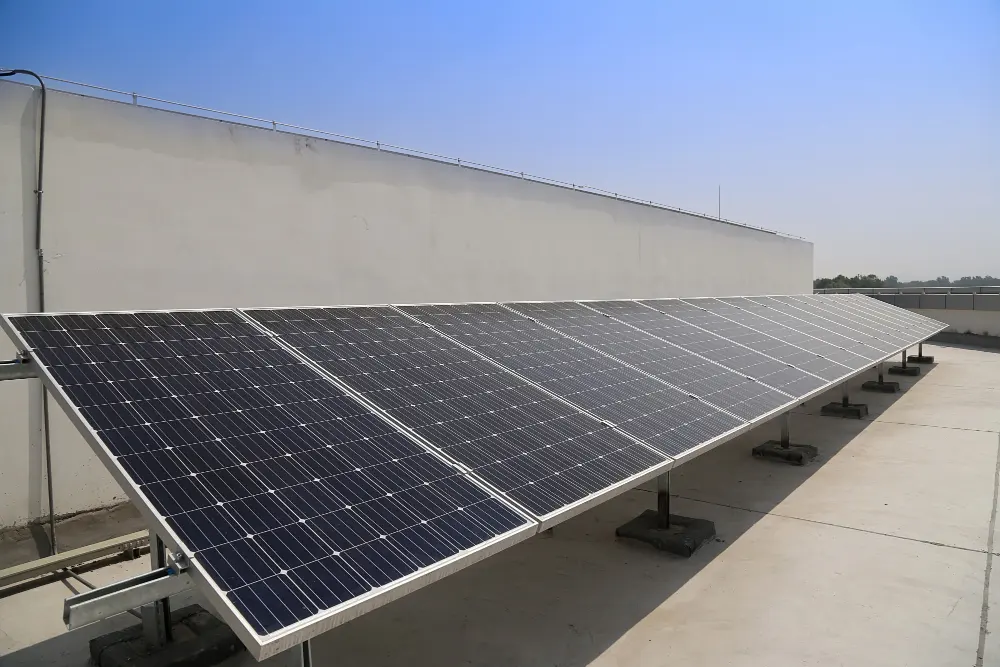
Solar panels can make a significant difference to household electricity costs, but the right system is not determined by roof size alone. If your home uses considerably more electricity than average, installing a small system simply because it fits a common package may leave a large amount of your demand uncovered.
This is particularly relevant for busy homes with electric vehicles, heat pumps, home offices, electric cooking or several appliances running throughout the day. Understanding your actual electricity consumption before choosing a system can help you avoid paying for a system that does not properly match the way your household uses energy.
For homeowners considering solar Worthing solutions, the key question is not simply how many panels will fit on the roof. It is how much electricity the property needs, when that electricity is used, and how much generation the available roof can realistically provide.
[CTA 1]
If you are unsure what size system could suit your household, the All Solar Works team can assess your current electricity use and discuss a system based on your property’s requirements rather than a standard package.
What Makes a Home a High-Energy Household?
There is no single electricity consumption figure that automatically makes a home “high energy”. Household demand varies according to property size, occupants, heating systems, appliances and lifestyle.
A property may have particularly high demand because it uses electricity for several major purposes, including:
- Charging one or more electric vehicles
- Running an air source heat pump
- Working from home most days
- Using electric showers or an electric hot water system
- Cooking with an electric oven and induction hob
- Operating several refrigeration appliances
- Running a hot tub, swimming pool equipment or other high-load appliances
- Having multiple occupants at home during the day
The important point is that two homes with similar roofs can have very different electricity requirements. A four-bedroom property with an EV and heat pump may need a very different solar design from a similarly sized property where gas is still used for heating and hot water.
Can a Standard Solar System Be Too Small?
Yes. A standard-sized installation can be undersized if the property’s annual electricity consumption is significantly higher than the assumptions used during system design.
Solar generation depends on factors such as panel capacity, roof orientation, shading, pitch and seasonal daylight. Electricity demand also changes throughout the day and year. A household may therefore need more generating capacity to make a meaningful contribution towards its annual consumption.
However, bigger is not automatically better. The available roof area, budget, planning considerations, inverter capacity and expected electricity usage all need to be considered together.
A proper assessment should therefore look at both generation potential and demand, rather than selecting a panel count first and trying to make it fit the household afterwards.
Solar Sizing: What Should Be Considered?
| Factor | Why it matters |
| Annual electricity use | Shows the overall scale of household demand |
| Daytime consumption | Determines how much solar energy can be used directly |
| Evening consumption | Helps assess whether battery storage may be useful |
| Roof orientation | Affects when electricity is likely to be generated |
| Roof space | Sets a practical limit on panel capacity |
| Shading | Can reduce expected generation |
| EV charging | Can add substantial electricity demand |
| Heat pump | May significantly increase annual electricity consumption |
| Future changes | Helps avoid designing a system around today’s usage alone |
Looking at these factors together gives a more realistic picture of what a suitable system might look like.
How Do EVs and Heat Pumps Change Solar Requirements?
Electric vehicles and heat pumps can substantially increase electricity consumption. That does not necessarily mean a homeowner needs an exceptionally large solar array, but it does mean the system should be designed with those loads in mind.
An EV, for example, may use several kilowatt-hours during a single charging session. If the vehicle is usually charged overnight, much of that demand occurs when solar panels are not generating electricity. A battery or suitable charging strategy can help make better use of daytime generation, although the economics depend on the household’s usage and electricity tariff.
Heat pumps have a different demand pattern. They can use electricity for space heating and hot water, with demand often increasing during colder periods when solar generation is lower. This seasonal mismatch is an important consideration when estimating how much solar energy a property can actually use.
This is one reason a detailed assessment is more useful than relying on a typical panel package.
Does High Electricity Use Mean You Need More Panels?
Not necessarily. Increasing panel capacity is one option, but it is only part of the design process.
For example, a home with substantial daytime electricity demand may be able to use a large proportion of its solar generation directly. Another property might generate plenty of electricity during daylight but export much of it because the household’s biggest loads occur in the evening.
The second property could potentially benefit from battery storage alongside solar. The objective is not simply to maximise the number of panels. It is to create a system that works sensibly with the household’s consumption pattern.
This is particularly important when planning solar panel installation Worthing homeowners expect to use for many years. A system designed around current and anticipated demand can be more useful than one selected solely on the basis of what is commonly installed.
[CTA 2]
If your household is adding an EV, heat pump or other major electrical load, contact All Solar Works before finalising your system size. Reviewing those changes in advance can help ensure the design reflects your expected electricity use.
What If Your Electricity Use Is Going to Increase?
One of the easiest mistakes is to design a solar system entirely around an old electricity bill.
Imagine a household that currently uses electricity for lighting, appliances and cooking but plans to install an EV within the next year. Designing the solar system solely around today’s consumption could result in a smaller installation than the property will ultimately need.
The same applies if a gas boiler is being replaced with a heat pump, a home office is being created, or additional occupants are expected.
When discussing solar Worthing options, it is worth telling the installer about planned changes, not just existing consumption.
Useful information can include:
- Planned EV purchases
- A future heat pump installation
- Changes to working arrangements
- Home extensions
- New electric heating or hot water equipment
- Increased occupancy
- Plans for battery storage
This allows the installer to consider whether additional panel capacity, a different inverter arrangement or battery storage should form part of the initial design.
What Happens If the Roof Cannot Fit Enough Panels?
A high-energy home may have substantial electricity demand but limited roof space. This is where system design becomes particularly important.
An installer can assess whether the available roof can accommodate enough panels to make the desired contribution. If the roof cannot support the full theoretical capacity required to offset annual consumption, the discussion may instead focus on making the available generation work as effectively as possible.
That could involve considering:
- Different panel layouts
- Multiple roof orientations
- Battery storage
- Load management
- EV charging during periods of solar generation
- Smart energy controls
- Future system expansion, where technically suitable
Not every option will be appropriate for every property. The right combination depends on the building, electricity demand and homeowner priorities.
A Typical Worthing Example
Consider a family home with a south-facing roof, two adults working partly from home, an electric vehicle and plans to move towards electric heating. Its historical electricity bills may not accurately represent its future demand.
Rather than designing solely from the previous year’s consumption, an installer could model the anticipated loads alongside the property’s roof characteristics. This may highlight the value of using more of the available roof area and considering battery storage.
The final design would still need to balance generation, available space, equipment compatibility and cost. The important difference is that the system is being considered around the home’s expected energy use rather than an outdated snapshot.
(Link to service page: Solar Panel Installation)
How Can You Tell If Your Existing Solar System Is Undersized?
If you already have solar panels, high electricity bills do not automatically mean the system is too small. There could be other explanations, including increased household demand, shading, equipment problems or changes in how electricity is being used.
Signs worth investigating include:
- Electricity consumption has increased significantly since installation
- A new EV or heat pump has been added
- The system regularly generates less than expected
- Solar generation appears healthy but grid electricity use remains high
- Household demand has shifted towards evenings
- The property has added major electrical appliances
Generation data and electricity bills can help establish whether the issue is system size, system performance or simply increased consumption.
(Link to related blog: How Much Electricity Can Solar Panels Generate?)
Is a Bigger Solar System Always the Better Choice?
No. Oversizing needs to be considered carefully.
A larger system can produce more electricity, but the value of additional generation depends on how much energy the household can use, export arrangements, roof limitations and the overall system cost.
For a high-use property, however, it is sensible to ask whether the proposed system reflects the home’s actual demand. A design that looks generous compared with a typical household may be entirely reasonable when an EV, heat pump and other substantial electrical loads are included.
The most useful approach is therefore to model the property rather than compare panel numbers in isolation.
Questions to Ask Before Choosing Your System
Before proceeding with an installation, homeowners with higher electricity demand should consider asking:
- How much electricity does the household currently use each year?
- When is most of that electricity consumed?
- What major electrical loads are likely to be added?
- How much solar capacity can the roof realistically accommodate?
- Would battery storage complement the household’s usage pattern?
- What assumptions have been used to estimate generation?
- Could the inverter and other equipment accommodate the proposed system?
- Is the design based on actual household consumption rather than a standard package?
Clear answers to these questions can make it easier to understand what you are being quoted for and why.
Related articles

What type of property do you have?

Detached House

Semi Detached House
Terraced House

Flat or Apartment
Bungalow
At a glance
Solar panels can make a significant difference to household electricity costs, but the right system is not determined by roof size alone. If your home uses considerably more electricity than average, installing a small system simply because it fits a common package may leave a large amount of your demand uncovered.
This is particularly relevant for busy homes with electric vehicles, heat pumps, home offices, electric cooking or several appliances running throughout the day. Understanding your actual electricity consumption before choosing a system can help you avoid paying for a system that does not properly match the way your household uses energy.
For homeowners considering solar Worthing solutions, the key question is not simply how many panels will fit on the roof. It is how much electricity the property needs, when that electricity is used, and how much generation the available roof can realistically provide.
[CTA 1]
If you are unsure what size system could suit your household, the All Solar Works team can assess your current electricity use and discuss a system based on your property’s requirements rather than a standard package.
What Makes a Home a High-Energy Household?
There is no single electricity consumption figure that automatically makes a home “high energy”. Household demand varies according to property size, occupants, heating systems, appliances and lifestyle.
A property may have particularly high demand because it uses electricity for several major purposes, including:
- Charging one or more electric vehicles
- Running an air source heat pump
- Working from home most days
- Using electric showers or an electric hot water system
- Cooking with an electric oven and induction hob
- Operating several refrigeration appliances
- Running a hot tub, swimming pool equipment or other high-load appliances
- Having multiple occupants at home during the day
The important point is that two homes with similar roofs can have very different electricity requirements. A four-bedroom property with an EV and heat pump may need a very different solar design from a similarly sized property where gas is still used for heating and hot water.
Can a Standard Solar System Be Too Small?
Yes. A standard-sized installation can be undersized if the property’s annual electricity consumption is significantly higher than the assumptions used during system design.
Solar generation depends on factors such as panel capacity, roof orientation, shading, pitch and seasonal daylight. Electricity demand also changes throughout the day and year. A household may therefore need more generating capacity to make a meaningful contribution towards its annual consumption.
However, bigger is not automatically better. The available roof area, budget, planning considerations, inverter capacity and expected electricity usage all need to be considered together.
A proper assessment should therefore look at both generation potential and demand, rather than selecting a panel count first and trying to make it fit the household afterwards.
Solar Sizing: What Should Be Considered?
| Factor | Why it matters |
| Annual electricity use | Shows the overall scale of household demand |
| Daytime consumption | Determines how much solar energy can be used directly |
| Evening consumption | Helps assess whether battery storage may be useful |
| Roof orientation | Affects when electricity is likely to be generated |
| Roof space | Sets a practical limit on panel capacity |
| Shading | Can reduce expected generation |
| EV charging | Can add substantial electricity demand |
| Heat pump | May significantly increase annual electricity consumption |
| Future changes | Helps avoid designing a system around today’s usage alone |
Looking at these factors together gives a more realistic picture of what a suitable system might look like.
How Do EVs and Heat Pumps Change Solar Requirements?
Electric vehicles and heat pumps can substantially increase electricity consumption. That does not necessarily mean a homeowner needs an exceptionally large solar array, but it does mean the system should be designed with those loads in mind.
An EV, for example, may use several kilowatt-hours during a single charging session. If the vehicle is usually charged overnight, much of that demand occurs when solar panels are not generating electricity. A battery or suitable charging strategy can help make better use of daytime generation, although the economics depend on the household’s usage and electricity tariff.
Heat pumps have a different demand pattern. They can use electricity for space heating and hot water, with demand often increasing during colder periods when solar generation is lower. This seasonal mismatch is an important consideration when estimating how much solar energy a property can actually use.
This is one reason a detailed assessment is more useful than relying on a typical panel package.
Does High Electricity Use Mean You Need More Panels?
Not necessarily. Increasing panel capacity is one option, but it is only part of the design process.
For example, a home with substantial daytime electricity demand may be able to use a large proportion of its solar generation directly. Another property might generate plenty of electricity during daylight but export much of it because the household’s biggest loads occur in the evening.
The second property could potentially benefit from battery storage alongside solar. The objective is not simply to maximise the number of panels. It is to create a system that works sensibly with the household’s consumption pattern.
This is particularly important when planning solar panel installation Worthing homeowners expect to use for many years. A system designed around current and anticipated demand can be more useful than one selected solely on the basis of what is commonly installed.
[CTA 2]
If your household is adding an EV, heat pump or other major electrical load, contact All Solar Works before finalising your system size. Reviewing those changes in advance can help ensure the design reflects your expected electricity use.
What If Your Electricity Use Is Going to Increase?
One of the easiest mistakes is to design a solar system entirely around an old electricity bill.
Imagine a household that currently uses electricity for lighting, appliances and cooking but plans to install an EV within the next year. Designing the solar system solely around today’s consumption could result in a smaller installation than the property will ultimately need.
The same applies if a gas boiler is being replaced with a heat pump, a home office is being created, or additional occupants are expected.
When discussing solar Worthing options, it is worth telling the installer about planned changes, not just existing consumption.
Useful information can include:
- Planned EV purchases
- A future heat pump installation
- Changes to working arrangements
- Home extensions
- New electric heating or hot water equipment
- Increased occupancy
- Plans for battery storage
This allows the installer to consider whether additional panel capacity, a different inverter arrangement or battery storage should form part of the initial design.
What Happens If the Roof Cannot Fit Enough Panels?
A high-energy home may have substantial electricity demand but limited roof space. This is where system design becomes particularly important.
An installer can assess whether the available roof can accommodate enough panels to make the desired contribution. If the roof cannot support the full theoretical capacity required to offset annual consumption, the discussion may instead focus on making the available generation work as effectively as possible.
That could involve considering:
- Different panel layouts
- Multiple roof orientations
- Battery storage
- Load management
- EV charging during periods of solar generation
- Smart energy controls
- Future system expansion, where technically suitable
Not every option will be appropriate for every property. The right combination depends on the building, electricity demand and homeowner priorities.
A Typical Worthing Example
Consider a family home with a south-facing roof, two adults working partly from home, an electric vehicle and plans to move towards electric heating. Its historical electricity bills may not accurately represent its future demand.
Rather than designing solely from the previous year’s consumption, an installer could model the anticipated loads alongside the property’s roof characteristics. This may highlight the value of using more of the available roof area and considering battery storage.
The final design would still need to balance generation, available space, equipment compatibility and cost. The important difference is that the system is being considered around the home’s expected energy use rather than an outdated snapshot.
(Link to service page: Solar Panel Installation)
How Can You Tell If Your Existing Solar System Is Undersized?
If you already have solar panels, high electricity bills do not automatically mean the system is too small. There could be other explanations, including increased household demand, shading, equipment problems or changes in how electricity is being used.
Signs worth investigating include:
- Electricity consumption has increased significantly since installation
- A new EV or heat pump has been added
- The system regularly generates less than expected
- Solar generation appears healthy but grid electricity use remains high
- Household demand has shifted towards evenings
- The property has added major electrical appliances
Generation data and electricity bills can help establish whether the issue is system size, system performance or simply increased consumption.
(Link to related blog: How Much Electricity Can Solar Panels Generate?)
Is a Bigger Solar System Always the Better Choice?
No. Oversizing needs to be considered carefully.
A larger system can produce more electricity, but the value of additional generation depends on how much energy the household can use, export arrangements, roof limitations and the overall system cost.
For a high-use property, however, it is sensible to ask whether the proposed system reflects the home’s actual demand. A design that looks generous compared with a typical household may be entirely reasonable when an EV, heat pump and other substantial electrical loads are included.
The most useful approach is therefore to model the property rather than compare panel numbers in isolation.
Questions to Ask Before Choosing Your System
Before proceeding with an installation, homeowners with higher electricity demand should consider asking:
- How much electricity does the household currently use each year?
- When is most of that electricity consumed?
- What major electrical loads are likely to be added?
- How much solar capacity can the roof realistically accommodate?
- Would battery storage complement the household’s usage pattern?
- What assumptions have been used to estimate generation?
- Could the inverter and other equipment accommodate the proposed system?
- Is the design based on actual household consumption rather than a standard package?
Clear answers to these questions can make it easier to understand what you are being quoted for and why.
Related articles
What type of property do you have?
Detached House
Semi Detached House
Terraced House
Flat or Apartment
Bungalow