Can You Run a Home Fully on Solar in Worthing?
Many homeowners are exploring renewable energy as a way to…

Why you can trust our content
We know that the solar industry is full of misinformation, but we only use reliable sources, including:





At a glance
Many homeowners are exploring renewable energy as a way to reduce reliance on the grid and protect themselves from rising electricity costs. One question that often comes up is whether it is possible to run a home entirely on solar energy.
For many properties, the answer is increasingly yes. Modern solar panels combined with battery storage can generate and store significant amounts of electricity, allowing households to power daily appliances with renewable energy.
However, whether a home can operate fully on solar depends on several factors including roof space, energy usage and system design. Homeowners considering solar worthing installations often find that the right setup can dramatically reduce grid reliance while maintaining reliable power.If you would like to explore whether your property could operate largely on solar energy, our team at All Solar Works can provide tailored advice based on your home and energy needs.
How Does a Solar-Powered Home Work?
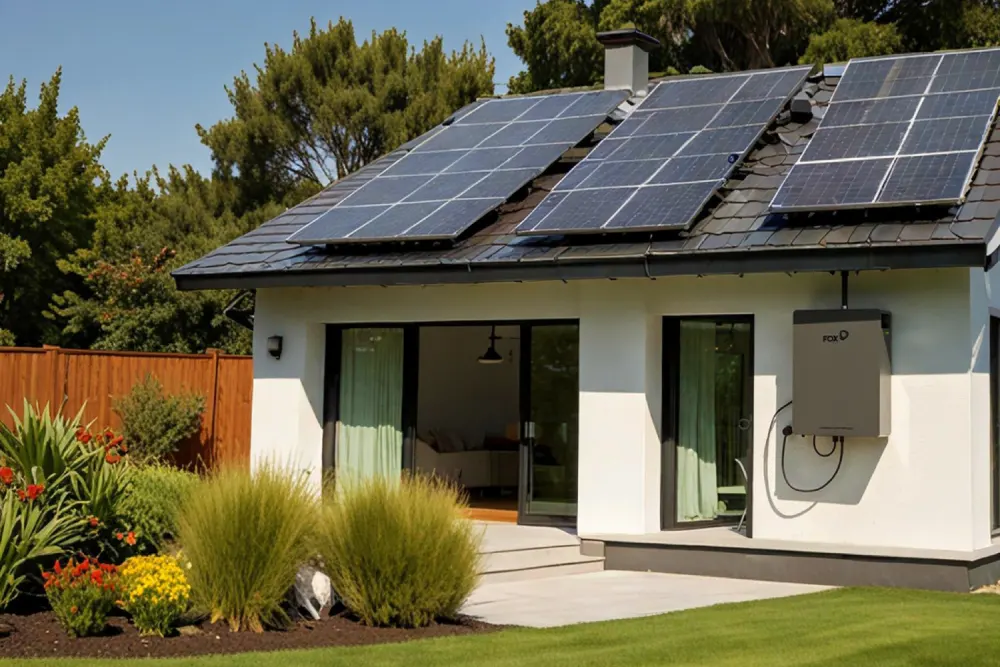
A solar-powered home uses rooftop solar panels to convert sunlight into electricity. This electricity is then used to power appliances and lighting throughout the property.
The system usually includes three key components:
During daylight hours, solar panels typically produce more energy than a home needs. Without battery storage, that excess electricity would normally be exported to the grid. With batteries, the surplus energy can be stored and used later in the evening or during cloudy periods.
This combination makes it possible for homeowners to rely far less on grid electricity.
Is It Really Possible to Run a Home Entirely on Solar?
Yes, in some cases it is possible to run a home entirely on solar power, particularly during the spring and summer months when solar generation is strongest.
However, complete independence from the grid throughout the year is more challenging in the UK due to seasonal variations in sunlight. Winter months typically produce less solar energy, which means homes may occasionally rely on grid electricity.
That said, a well-designed solar and battery installation worthing can still allow households to generate and store enough energy to cover a large portion of their annual consumption.
The key is ensuring the system is sized correctly for the home’s energy usage and roof capacity.
What Factors Affect Whether Solar Can Power Your Whole Home?
Several practical factors influence how much of a home’s energy demand can be met by solar.
Roof Space and Orientation
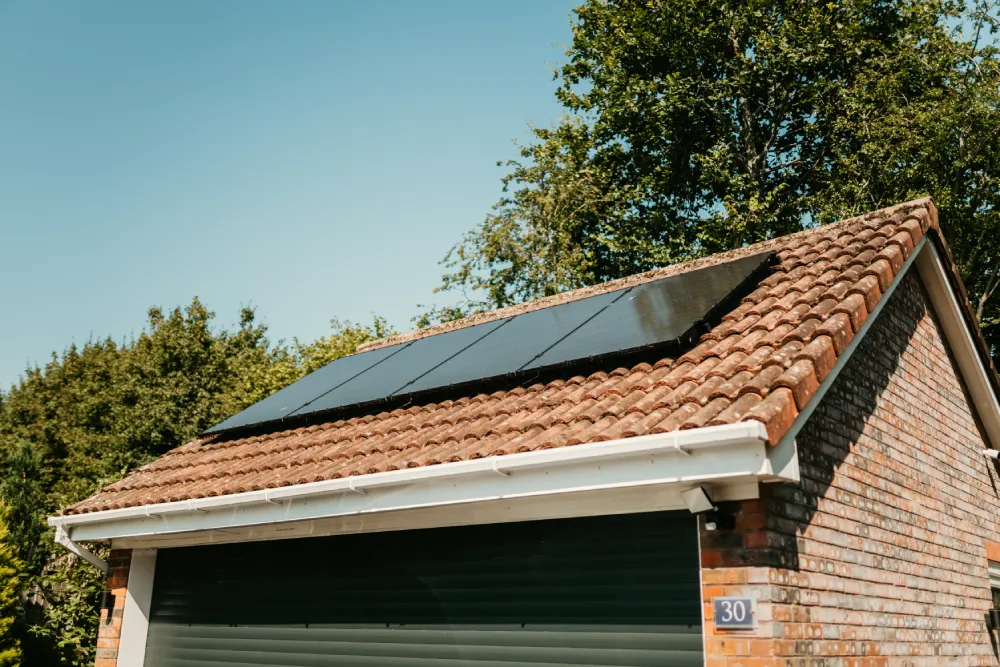
Larger roof areas allow for more panels, which increases electricity generation. South-facing roofs tend to generate the most energy, although east and west orientations can also perform well.
Household Energy Usage
Homes with higher electricity consumption may require larger solar arrays and battery systems to cover their needs.
Battery Capacity
Battery storage determines how much excess solar energy can be saved for use during evenings or cloudy days.
Seasonal Sunlight
Solar production varies across the year. Summer typically produces more electricity than winter, which affects how self-sufficient a home can be.
Typical Solar Production for a Home in Worthing
The table below provides a simplified example of how solar generation compares with household electricity usage.
| System Size | Estimated Annual Generation | Typical Household Coverage |
| 3 kW system | 2,700 kWh | Around 60% of usage |
| 4 kW system | 3,600 kWh | Around 70–80% of usage |
| 5 kW system | 4,500 kWh | Up to 90% with battery storage |
Actual results vary depending on roof orientation, shading and household consumption. Homes in solar worthing installations often achieve strong generation thanks to favourable coastal sunlight levels in the South of England.
Why Battery Storage Makes a Big Difference
Solar panels generate energy during the day, but many households use the most electricity in the evening.
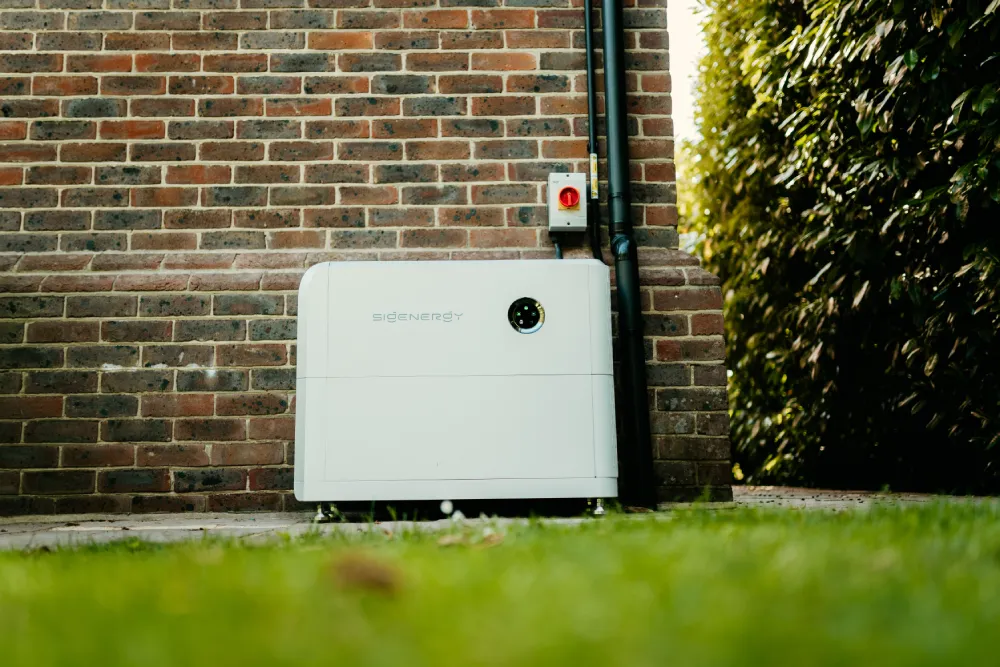
Battery storage solves this issue by storing unused solar power for later use. This significantly increases energy independence.
A typical battery system allows homeowners to:
When paired with solar panels, battery storage can dramatically increase the percentage of energy a home generates itself. This is why many homeowners choose a solar and battery installation worthing rather than solar panels alone.

What type of property do you have?

Detached House

Semi Detached House

Terraced House

Flat or Apartment
Bungalow
It just takes 2 minutes
And then you can book a free consultation
Can Solar Power Work During a Power Cut?
Standard solar systems switch off during a power cut for safety reasons. However, systems designed with backup capabilities can continue providing electricity when the grid fails.
These setups usually include specialised inverters and battery systems that allow certain circuits in the home to remain powered.
For example, backup solar systems can keep essential appliances running, including:
For households concerned about energy security, these systems offer a practical way to maintain essential power during outages.
Example Scenario: A Typical Worthing Solar Installation
Consider a three-bedroom semi-detached home with moderate electricity use.
The property installs:
During spring and summer, the system generates more electricity than the household consumes during daylight hours. The battery stores excess power and supplies the home throughout the evening.
In winter, solar production decreases, but the system still offsets a significant portion of electricity usage.
Over the course of a year, the home may generate around 70–85 percent of its energy needs independently.
This is why many homeowners exploring solar worthing solutions find that solar and battery systems offer a practical route to greater energy independence.
What Should You Consider Before Installing Solar?
Before installing solar panels, it helps to review several key points.
Energy habits
Understanding when and how your household uses electricity can help determine the most suitable system size.
Roof suitability
Roof direction, shading and available space all affect solar performance.
Battery options
Choosing the right battery capacity ensures excess solar energy can be stored effectively.
Future energy needs
Electric vehicles, heat pumps and home extensions may increase electricity demand in the future.
For many homeowners, a professional system design provides the clearest picture of what is achievable.
Running a home fully on solar power is becoming increasingly achievable thanks to improvements in solar technology and battery storage. While complete independence from the grid may not always be practical year round, many households can generate the majority of their electricity with a well-designed system.
At All Solar Works, our team specialises in designing solar systems that help homeowners maximise their renewable energy potential while maintaining reliable power.
Related articles
What type of property do you have?
Detached House
Semi Detached House
Terraced House
Flat or Apartment
Bungalow
At a glance
Many homeowners are exploring renewable energy as a way to reduce reliance on the grid and protect themselves from rising electricity costs. One question that often comes up is whether it is possible to run a home entirely on solar energy.
For many properties, the answer is increasingly yes. Modern solar panels combined with battery storage can generate and store significant amounts of electricity, allowing households to power daily appliances with renewable energy.
However, whether a home can operate fully on solar depends on several factors including roof space, energy usage and system design. Homeowners considering solar worthing installations often find that the right setup can dramatically reduce grid reliance while maintaining reliable power.If you would like to explore whether your property could operate largely on solar energy, our team at All Solar Works can provide tailored advice based on your home and energy needs.
How Does a Solar-Powered Home Work?
A solar-powered home uses rooftop solar panels to convert sunlight into electricity. This electricity is then used to power appliances and lighting throughout the property.
The system usually includes three key components:
During daylight hours, solar panels typically produce more energy than a home needs. Without battery storage, that excess electricity would normally be exported to the grid. With batteries, the surplus energy can be stored and used later in the evening or during cloudy periods.
This combination makes it possible for homeowners to rely far less on grid electricity.
Is It Really Possible to Run a Home Entirely on Solar?
Yes, in some cases it is possible to run a home entirely on solar power, particularly during the spring and summer months when solar generation is strongest.
However, complete independence from the grid throughout the year is more challenging in the UK due to seasonal variations in sunlight. Winter months typically produce less solar energy, which means homes may occasionally rely on grid electricity.
That said, a well-designed solar and battery installation worthing can still allow households to generate and store enough energy to cover a large portion of their annual consumption.
The key is ensuring the system is sized correctly for the home’s energy usage and roof capacity.
What Factors Affect Whether Solar Can Power Your Whole Home?
Several practical factors influence how much of a home’s energy demand can be met by solar.
Roof Space and Orientation
Larger roof areas allow for more panels, which increases electricity generation. South-facing roofs tend to generate the most energy, although east and west orientations can also perform well.
Household Energy Usage
Homes with higher electricity consumption may require larger solar arrays and battery systems to cover their needs.
Battery Capacity
Battery storage determines how much excess solar energy can be saved for use during evenings or cloudy days.
Seasonal Sunlight
Solar production varies across the year. Summer typically produces more electricity than winter, which affects how self-sufficient a home can be.
Typical Solar Production for a Home in Worthing
The table below provides a simplified example of how solar generation compares with household electricity usage.
| System Size | Estimated Annual Generation | Typical Household Coverage |
| 3 kW system | 2,700 kWh | Around 60% of usage |
| 4 kW system | 3,600 kWh | Around 70–80% of usage |
| 5 kW system | 4,500 kWh | Up to 90% with battery storage |
Actual results vary depending on roof orientation, shading and household consumption. Homes in solar worthing installations often achieve strong generation thanks to favourable coastal sunlight levels in the South of England.
Why Battery Storage Makes a Big Difference
Solar panels generate energy during the day, but many households use the most electricity in the evening.
Battery storage solves this issue by storing unused solar power for later use. This significantly increases energy independence.
A typical battery system allows homeowners to:
When paired with solar panels, battery storage can dramatically increase the percentage of energy a home generates itself. This is why many homeowners choose a solar and battery installation worthing rather than solar panels alone.
What type of property do you have?
Detached House
Semi Detached House
Terraced House
Flat or Apartment
Bungalow
It just takes 2 minutes
And then you can book a free consultation
Can Solar Power Work During a Power Cut?
Standard solar systems switch off during a power cut for safety reasons. However, systems designed with backup capabilities can continue providing electricity when the grid fails.
These setups usually include specialised inverters and battery systems that allow certain circuits in the home to remain powered.
For example, backup solar systems can keep essential appliances running, including:
For households concerned about energy security, these systems offer a practical way to maintain essential power during outages.
Example Scenario: A Typical Worthing Solar Installation
Consider a three-bedroom semi-detached home with moderate electricity use.
The property installs:
During spring and summer, the system generates more electricity than the household consumes during daylight hours. The battery stores excess power and supplies the home throughout the evening.
In winter, solar production decreases, but the system still offsets a significant portion of electricity usage.
Over the course of a year, the home may generate around 70–85 percent of its energy needs independently.
This is why many homeowners exploring solar worthing solutions find that solar and battery systems offer a practical route to greater energy independence.
What Should You Consider Before Installing Solar?
Before installing solar panels, it helps to review several key points.
Energy habits
Understanding when and how your household uses electricity can help determine the most suitable system size.
Roof suitability
Roof direction, shading and available space all affect solar performance.
Battery options
Choosing the right battery capacity ensures excess solar energy can be stored effectively.
Future energy needs
Electric vehicles, heat pumps and home extensions may increase electricity demand in the future.
For many homeowners, a professional system design provides the clearest picture of what is achievable.
Running a home fully on solar power is becoming increasingly achievable thanks to improvements in solar technology and battery storage. While complete independence from the grid may not always be practical year round, many households can generate the majority of their electricity with a well-designed system.
At All Solar Works, our team specialises in designing solar systems that help homeowners maximise their renewable energy potential while maintaining reliable power.
Related articles
What type of property do you have?
Detached House
Semi Detached House
Terraced House
Flat or Apartment
Bungalow