Choosing a Solar and Battery Company That Designs Around How You Live
Choosing the right solar and battery installer means looking beyond price. A good company should understand your energy use, property and future plans. From roof orientation and shading to battery storage and warranties, careful planning helps create a system suited to your home.

Why you can trust our content
We know that the solar industry is full of misinformation, but we only use reliable sources, including:




At a glance
Choosing a solar and battery installer is not simply about finding a company that can fit panels on a roof. The quality of the planning process matters because every household uses electricity differently.
A home occupied throughout the day has different requirements from one that is empty until the evening. Roof orientation, shading, electricity consumption, battery requirements and future plans can all influence the right system.
For homeowners comparing a solar and battery company worthing options, it is useful to look beyond the headline price. A good installer should be interested in how the property operates and explain why particular equipment has been recommended.
Why Should a Solar Installer Understand Your Lifestyle?
Solar generation takes place mainly during daylight, while household electricity demand can happen at any time.
That creates a relationship between:
- When solar electricity is generated
- When household electricity is consumed
- How much surplus is available
- Whether surplus is stored
- How much electricity is imported from the grid
Someone working from home may consume more solar electricity directly. A family that is away during the day may have greater evening demand and potentially more interest in battery storage.
The system should reflect these differences.
What Should a Good Solar and Battery Company Ask You?
A useful consultation should cover more than roof size.
Expect questions about:
- Annual electricity consumption
- Typical daytime usage
- Evening electricity demand
- Weekday and weekend routines
- Home working
- Electric vehicle charging
- Electric heating
- Existing solar equipment
- Future household plans
- Interest in battery storage
These questions help establish whether the proposed system is likely to fit your actual energy requirements.
If you are unsure what your home needs, All Solar Works can discuss your current energy use and future plans before recommending a system. This gives the design process a more practical starting point.
How Should Your Roof Be Assessed?
The roof is one of the most important physical factors in solar design.
A proper assessment should consider:
| Roof factor | Why it matters |
| Orientation | Influences when generation is strongest |
| Pitch | Can affect panel performance |
| Available space | Determines possible panel layout |
| Shading | May reduce generation |
| Chimneys and skylights | Can restrict panel placement |
| Roof condition | May affect installation suitability |
| Access | Can affect installation requirements |
A large roof does not automatically mean that the maximum number of panels should be installed.
Likewise, a smaller roof can still support a useful solar system if the available area has good generation potential.
Does the Cheapest Solar Quote Represent the Best Choice?
Not necessarily.
Price is important, but it needs to be considered alongside the equipment, installation scope and quality of the design.
Two quotations may differ because they include different:
- Panel specifications
- Inverters
- Battery capacities
- Mounting equipment
- Electrical work
- Monitoring systems
- Warranties
- Installation requirements
A lower price may be attractive, but if it excludes important elements, it may not represent better value.
When comparing a solar and battery company worthing homeowners are considering, ask each installer to explain exactly what is included.
How Should Battery Storage Be Designed?
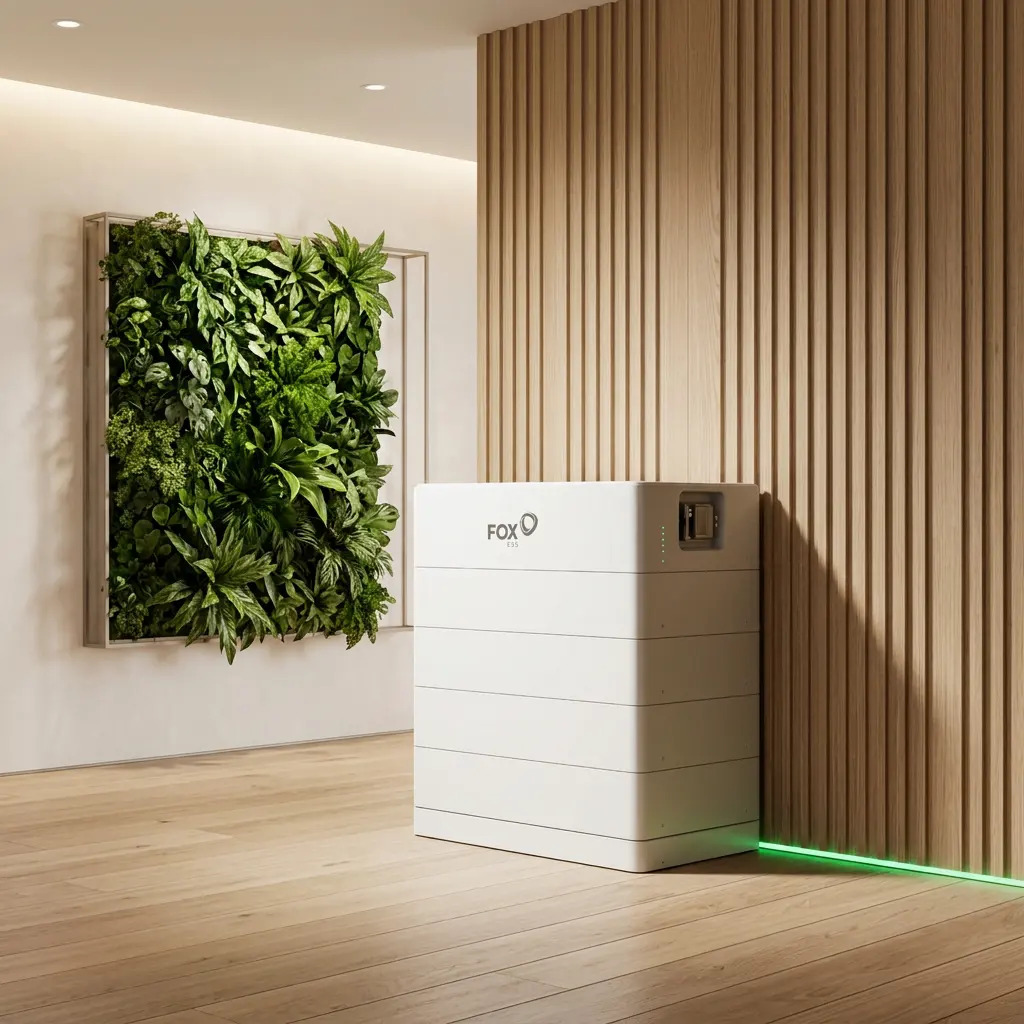
Battery storage should have a clear role within the wider solar system.
A battery can potentially store surplus solar electricity generated during the day and release it later when household demand increases.
This can be useful for homes that:
- Have low daytime electricity use
- Have strong evening demand
- Generate substantial solar surplus
- Want to increase solar self-consumption
However, a battery is not automatically necessary.
A property with high daytime demand may already use a significant proportion of its solar generation directly.
The appropriate battery capacity should therefore be based on actual household usage and expected solar generation.
What About Future Changes to Your Home?
A good system should be considered in the context of future plans.
You may currently have relatively modest electricity consumption but expect to:
- Purchase an electric vehicle
- Install electric heating
- Work from home more often
- Add air conditioning
- Extend your property
- Increase the number of electrical appliances
These changes can alter energy demand.
They do not automatically mean that the largest possible system should be installed today. However, telling the installer about future plans can help them consider equipment compatibility and potential expansion.

What type of property do you have?

Detached House

Semi Detached House

Terraced House

Flat or Apartment
Bungalow
It just takes 2 minutes
And then you can book a free consultation
Should You Choose a Local Solar Company?
Local knowledge can be useful, but location alone should not determine the decision.
A homeowner should still look for evidence that the company understands:
- Solar system design
- Electrical installation
- Battery integration
- Roof assessments
- Safety requirements
- Monitoring
- Aftercare
A local installer may be easier to contact for surveys and follow-up work, but the quality of the installation process remains the key consideration.
For homeowners looking for a solar and battery company worthing, it is sensible to assess both local availability and technical competence.
What Should Be Included in a Solar and Battery Installation Service?
A complete solar and battery installation service can involve several stages.
These may include:
- Initial discussion
- Energy usage assessment
- Roof assessment
- System design
- Equipment selection
- Written quotation
- Installation
- Electrical commissioning
- System monitoring setup
- Handover and customer guidance
Ask what is included before agreeing to the work.
It is particularly important to understand whether scaffolding, electrical work, monitoring and any necessary upgrades are covered by the quoted price.
If you are comparing different solar proposals, All Solar Works can explain the equipment and installation scope so you can make a more informed comparison.
How Important Are Warranties?
Warranties can provide useful protection, but they should be read carefully.
There may be separate warranties covering:
- Solar panels
- Inverters
- Batteries
- Mounting equipment
- Installation workmanship
The length of a warranty is only one consideration. It is also useful to understand what is covered, who provides the warranty and what conditions apply.
Ask whether installation workmanship is covered separately from manufacturer warranties.
What Questions Should You Ask Before Choosing an Installer?
Before making a decision, ask:
- How was my system size calculated?
- What information about my electricity usage have you considered?
- Has the roof been assessed?
- How has shading been accounted for?
- Why is this battery size being recommended?
- What equipment is included?
- What installation work is covered?
- What warranties apply?
- What monitoring will I receive?
- What happens if something needs attention after installation?
- Can the system accommodate future changes?
The answers can tell you a great deal about how carefully the installation has been planned.
What Should You Look for in a Written Quote?
A clear quote should make it easy to understand what you are buying.
Look for:
- Number of panels
- Panel output and specification
- Inverter details
- Battery capacity, if included
- Expected annual generation
- Installation scope
- Monitoring equipment
- Warranty information
- Total price
- Payment terms
- Any exclusions or assumptions
A quotation should not leave you guessing about which equipment or installation tasks are included.
A Typical Worthing Household Example
Consider a family living in a three-bedroom semi-detached property.
The adults are out at work during much of the week, while the children are at school. Electricity demand is relatively low during the middle of the day but rises significantly in the evening.
The family is also considering purchasing an electric vehicle.
A thoughtful installer would assess the roof, current electricity consumption and future EV charging requirements. The conversation could then move on to panel capacity, battery storage and how the system could handle changing energy demand.
The important point is that the equipment follows the household requirements, rather than the household being expected to fit a standard package.
How Can You Compare Installation Companies?
Start with the quality of the consultation.
A company that asks detailed questions, explains its recommendations and provides a clear written proposal gives you more information to work with.
Then compare:
- System design
- Equipment
- Battery specification
- Installation scope
- Warranties
- Expected generation
- Monitoring
- Price
- Aftercare
Avoid choosing based on a single factor.
A solar installation is a long-term decision, so confidence in the design and installation process matters.
If you are considering solar and battery installation, contact All Solar Works to discuss your property, electricity use and future plans. The team can provide tailored guidance rather than relying on a one-size-fits-all approach.
Related articles
What type of property do you have?
Detached House
Semi Detached House
Terraced House
Flat or Apartment
Bungalow
At a glance
Choosing a solar and battery installer is not simply about finding a company that can fit panels on a roof. The quality of the planning process matters because every household uses electricity differently.
A home occupied throughout the day has different requirements from one that is empty until the evening. Roof orientation, shading, electricity consumption, battery requirements and future plans can all influence the right system.
For homeowners comparing a solar and battery company worthing options, it is useful to look beyond the headline price. A good installer should be interested in how the property operates and explain why particular equipment has been recommended.
Why Should a Solar Installer Understand Your Lifestyle?
Solar generation takes place mainly during daylight, while household electricity demand can happen at any time.
That creates a relationship between:
- When solar electricity is generated
- When household electricity is consumed
- How much surplus is available
- Whether surplus is stored
- How much electricity is imported from the grid
Someone working from home may consume more solar electricity directly. A family that is away during the day may have greater evening demand and potentially more interest in battery storage.
The system should reflect these differences.
What Should a Good Solar and Battery Company Ask You?
A useful consultation should cover more than roof size.
Expect questions about:
- Annual electricity consumption
- Typical daytime usage
- Evening electricity demand
- Weekday and weekend routines
- Home working
- Electric vehicle charging
- Electric heating
- Existing solar equipment
- Future household plans
- Interest in battery storage
These questions help establish whether the proposed system is likely to fit your actual energy requirements.
If you are unsure what your home needs, All Solar Works can discuss your current energy use and future plans before recommending a system. This gives the design process a more practical starting point.
How Should Your Roof Be Assessed?
The roof is one of the most important physical factors in solar design.
A proper assessment should consider:
| Roof factor | Why it matters |
| Orientation | Influences when generation is strongest |
| Pitch | Can affect panel performance |
| Available space | Determines possible panel layout |
| Shading | May reduce generation |
| Chimneys and skylights | Can restrict panel placement |
| Roof condition | May affect installation suitability |
| Access | Can affect installation requirements |
A large roof does not automatically mean that the maximum number of panels should be installed.
Likewise, a smaller roof can still support a useful solar system if the available area has good generation potential.
Does the Cheapest Solar Quote Represent the Best Choice?
Not necessarily.
Price is important, but it needs to be considered alongside the equipment, installation scope and quality of the design.
Two quotations may differ because they include different:
- Panel specifications
- Inverters
- Battery capacities
- Mounting equipment
- Electrical work
- Monitoring systems
- Warranties
- Installation requirements
A lower price may be attractive, but if it excludes important elements, it may not represent better value.
When comparing a solar and battery company worthing homeowners are considering, ask each installer to explain exactly what is included.
How Should Battery Storage Be Designed?
Battery storage should have a clear role within the wider solar system.
A battery can potentially store surplus solar electricity generated during the day and release it later when household demand increases.
This can be useful for homes that:
- Have low daytime electricity use
- Have strong evening demand
- Generate substantial solar surplus
- Want to increase solar self-consumption
However, a battery is not automatically necessary.
A property with high daytime demand may already use a significant proportion of its solar generation directly.
The appropriate battery capacity should therefore be based on actual household usage and expected solar generation.
What About Future Changes to Your Home?
A good system should be considered in the context of future plans.
You may currently have relatively modest electricity consumption but expect to:
- Purchase an electric vehicle
- Install electric heating
- Work from home more often
- Add air conditioning
- Extend your property
- Increase the number of electrical appliances
These changes can alter energy demand.
They do not automatically mean that the largest possible system should be installed today. However, telling the installer about future plans can help them consider equipment compatibility and potential expansion.
What type of property do you have?
Detached House
Semi Detached House
Terraced House
Flat or Apartment
Bungalow
It just takes 2 minutes
And then you can book a free consultation
Should You Choose a Local Solar Company?
Local knowledge can be useful, but location alone should not determine the decision.
A homeowner should still look for evidence that the company understands:
- Solar system design
- Electrical installation
- Battery integration
- Roof assessments
- Safety requirements
- Monitoring
- Aftercare
A local installer may be easier to contact for surveys and follow-up work, but the quality of the installation process remains the key consideration.
For homeowners looking for a solar and battery company worthing, it is sensible to assess both local availability and technical competence.
What Should Be Included in a Solar and Battery Installation Service?
A complete solar and battery installation service can involve several stages.
These may include:
- Initial discussion
- Energy usage assessment
- Roof assessment
- System design
- Equipment selection
- Written quotation
- Installation
- Electrical commissioning
- System monitoring setup
- Handover and customer guidance
Ask what is included before agreeing to the work.
It is particularly important to understand whether scaffolding, electrical work, monitoring and any necessary upgrades are covered by the quoted price.
If you are comparing different solar proposals, All Solar Works can explain the equipment and installation scope so you can make a more informed comparison.
How Important Are Warranties?
Warranties can provide useful protection, but they should be read carefully.
There may be separate warranties covering:
- Solar panels
- Inverters
- Batteries
- Mounting equipment
- Installation workmanship
The length of a warranty is only one consideration. It is also useful to understand what is covered, who provides the warranty and what conditions apply.
Ask whether installation workmanship is covered separately from manufacturer warranties.
What Questions Should You Ask Before Choosing an Installer?
Before making a decision, ask:
- How was my system size calculated?
- What information about my electricity usage have you considered?
- Has the roof been assessed?
- How has shading been accounted for?
- Why is this battery size being recommended?
- What equipment is included?
- What installation work is covered?
- What warranties apply?
- What monitoring will I receive?
- What happens if something needs attention after installation?
- Can the system accommodate future changes?
The answers can tell you a great deal about how carefully the installation has been planned.
What Should You Look for in a Written Quote?
A clear quote should make it easy to understand what you are buying.
Look for:
- Number of panels
- Panel output and specification
- Inverter details
- Battery capacity, if included
- Expected annual generation
- Installation scope
- Monitoring equipment
- Warranty information
- Total price
- Payment terms
- Any exclusions or assumptions
A quotation should not leave you guessing about which equipment or installation tasks are included.
A Typical Worthing Household Example
Consider a family living in a three-bedroom semi-detached property.
The adults are out at work during much of the week, while the children are at school. Electricity demand is relatively low during the middle of the day but rises significantly in the evening.
The family is also considering purchasing an electric vehicle.
A thoughtful installer would assess the roof, current electricity consumption and future EV charging requirements. The conversation could then move on to panel capacity, battery storage and how the system could handle changing energy demand.
The important point is that the equipment follows the household requirements, rather than the household being expected to fit a standard package.
How Can You Compare Installation Companies?
Start with the quality of the consultation.
A company that asks detailed questions, explains its recommendations and provides a clear written proposal gives you more information to work with.
Then compare:
- System design
- Equipment
- Battery specification
- Installation scope
- Warranties
- Expected generation
- Monitoring
- Price
- Aftercare
Avoid choosing based on a single factor.
A solar installation is a long-term decision, so confidence in the design and installation process matters.
If you are considering solar and battery installation, contact All Solar Works to discuss your property, electricity use and future plans. The team can provide tailored guidance rather than relying on a one-size-fits-all approach.
Related articles
What type of property do you have?
Detached House
Semi Detached House
Terraced House
Flat or Apartment
Bungalow