Designing Systems That Are Easier to Inspect, Upgrade and Repair Later
A solar and battery system is designed to provide reliable…

Why you can trust our content
We know that the solar industry is full of misinformation, but we only use reliable sources, including:




At a glance
A solar and battery system is designed to provide reliable energy for many years, but good planning should consider more than the day of installation. A well-designed system should also allow for easier inspections, future upgrades and straightforward maintenance when required.
Many homeowners focus on the immediate benefits of solar energy, such as reducing reliance on the grid and improving energy efficiency. However, thinking ahead during the design stage can help protect the long-term value of the system.
For homeowners considering solar and battery cost worthing, understanding how system design affects future maintenance can help you make better decisions from the beginning.
All Solar Works can help design a solar and battery system that considers both your current energy needs and your future requirements.
Why Should Solar Systems Be Designed With the Future in Mind?
A solar installation is a long-term investment. While quality equipment is built for durability, every system may eventually require inspections, servicing or updates.
A future-focused design considers:
- Easy access to equipment
- Clear cable routes
- Safe battery placement
- Expandability options
- Simple maintenance requirements
Planning these details during installation can reduce disruption later and make the system easier to manage.
What Makes a Solar System Easier to Maintain?
Maintenance is often simpler when the original installation has been carefully planned.
Important design considerations include:
- Equipment installed in accessible locations
- Clearly organised wiring
- Safe access points
- Suitable spacing around components
- Accurate system documentation
A tidy installation does not only look better. It can also make future checks and repairs more efficient.
How Does Equipment Placement Affect Future Repairs?
The location of your solar equipment can influence how easily installers can inspect or service the system in the future.
During the design stage, installers consider where to position:
- Solar inverters
- Battery storage units
- Electrical connections
- Monitoring equipment
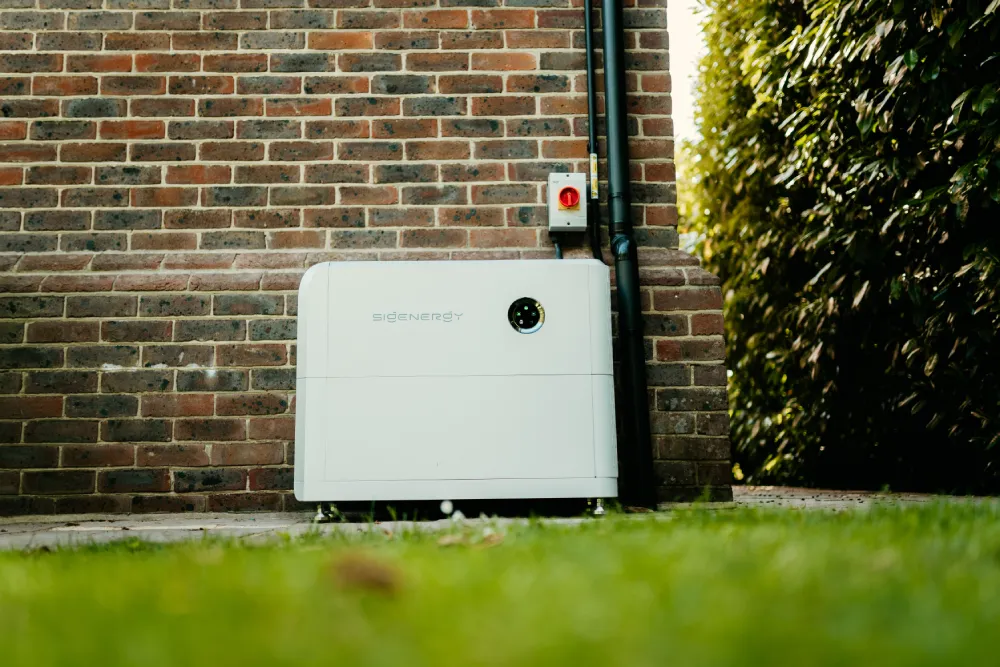
A battery or inverter hidden in a difficult-to-reach area may create challenges later. A practical installation location allows technicians to carry out checks more easily.
Why Is Cable Planning Important for Future Upgrades?
Cable routes are an important part of solar system design. Good planning helps ensure the installation remains organised and easier to work on.
Installers consider:
| Design Feature | Long-Term Benefit |
| Organised cable routes | Easier fault finding and maintenance |
| Accessible connections | Simpler inspections |
| Suitable equipment placement | Improved servicing access |
| Future capacity planning | Easier upgrades |
A well-planned system can make future changes more straightforward if homeowners decide to expand their energy setup.
Can a Solar System Be Upgraded Later?
Many homeowners think about future upgrades when installing solar panels. This could include adding more panels, increasing battery storage or connecting new technology.
However, upgrade options depend on the original design.
Installers may consider:
- Available roof space
- Inverter capacity
- Battery compatibility
- Electrical system capability
- Future energy plans
Discussing possible changes early can help create a system that provides more flexibility.
How Does Battery Design Affect Long-Term Performance?
Battery storage requires careful planning because the equipment needs to remain accessible and suitable for the property.
Important considerations include:
- Battery location
- Environmental conditions
- Access for servicing
- Connection routes
- Future replacement requirements
A well-positioned battery can make inspections and maintenance easier throughout its lifespan.
For homeowners comparing solar and battery cost worthing, it is worth considering not only the initial installation but also how practical the system will be in the years ahead.

What type of property do you have?

Detached House

Semi Detached House

Terraced House

Flat or Apartment
Bungalow
It just takes 2 minutes
And then you can book a free consultation
What Should Homeowners Ask During the Design Stage?
Before installation begins, homeowners should ask questions about long-term use.
Useful questions include:
- Can the system be expanded later?
- Where will the equipment be installed?
- How easy will maintenance be?
- Are cable routes planned for future access?
- What support is available after installation?
These discussions help ensure the system is designed around both current and future needs.
A Typical Future-Proof Solar Design Example
A homeowner may install solar panels with battery storage but expects their electricity usage to increase in the future due to an electric vehicle purchase.
During the design process, the installer considers the future energy demand and selects equipment that allows potential expansion.
The system works effectively from day one while leaving options available for future changes.
This type of forward planning can help homeowners avoid unnecessary redesign work later.
How Does Good Design Help With Repairs?
Even reliable systems may occasionally need attention. When problems occur, a well-designed installation can make troubleshooting quicker.
A professional solar and battery repair company can work more efficiently when:
- Equipment is accessible
- Connections are clearly organised
- System information is available
- Components are installed correctly
Good installation practices can support easier repairs and reduce unnecessary disruption.
Why Is Professional Installation Important for Long-Term Reliability?
Solar systems involve electrical components that need to work together correctly. Poor planning during installation can create difficulties later.
A professional approach focuses on:
- Safe installation methods
- Suitable equipment selection
- Clear system design
- Future maintenance requirements
Choosing an experienced installer helps ensure your system is created with long-term performance in mind.
All Solar Works provides tailored solar and battery solutions designed around your property, helping homeowners plan for reliable energy use today and in the future.
How Much Can Future Repairs Cost?
Repair costs vary depending on the issue, equipment involved and complexity of the system.
Factors that may influence the cost of solar and battery repair worthing include:
- Type of component affected
- Accessibility of equipment
- Required replacement parts
- Labour involved
- System age
While repairs cannot always be predicted, a well-designed system can help make future work simpler and more efficient.
Why Documentation Matters After Installation
Keeping accurate system information can be valuable throughout the life of your solar installation.
Useful information includes:
- Equipment details
- Installation records
- Warranty information
- System layout
- Maintenance history
This information helps installers understand the system if support is needed in the future.
What Makes a Solar System a Good Long-Term Investment?
A successful solar installation is not only about generating energy immediately. It is also about creating a system that continues to work well as your needs change.
A strong design considers:
- Current electricity usage
- Future upgrades
- Maintenance access
- Equipment compatibility
- Long-term reliability
This approach helps homeowners get more value from their investment.
If you are planning a solar and battery installation, contact All Solar Works to discuss a system design that supports both your current and future energy needs.
Related articles
What type of property do you have?
Detached House
Semi Detached House
Terraced House
Flat or Apartment
Bungalow
At a glance
A solar and battery system is designed to provide reliable energy for many years, but good planning should consider more than the day of installation. A well-designed system should also allow for easier inspections, future upgrades and straightforward maintenance when required.
Many homeowners focus on the immediate benefits of solar energy, such as reducing reliance on the grid and improving energy efficiency. However, thinking ahead during the design stage can help protect the long-term value of the system.
For homeowners considering solar and battery cost worthing, understanding how system design affects future maintenance can help you make better decisions from the beginning.
All Solar Works can help design a solar and battery system that considers both your current energy needs and your future requirements.
Why Should Solar Systems Be Designed With the Future in Mind?
A solar installation is a long-term investment. While quality equipment is built for durability, every system may eventually require inspections, servicing or updates.
A future-focused design considers:
- Easy access to equipment
- Clear cable routes
- Safe battery placement
- Expandability options
- Simple maintenance requirements
Planning these details during installation can reduce disruption later and make the system easier to manage.
What Makes a Solar System Easier to Maintain?
Maintenance is often simpler when the original installation has been carefully planned.
Important design considerations include:
- Equipment installed in accessible locations
- Clearly organised wiring
- Safe access points
- Suitable spacing around components
- Accurate system documentation
A tidy installation does not only look better. It can also make future checks and repairs more efficient.
How Does Equipment Placement Affect Future Repairs?
The location of your solar equipment can influence how easily installers can inspect or service the system in the future.
During the design stage, installers consider where to position:
- Solar inverters
- Battery storage units
- Electrical connections
- Monitoring equipment
A battery or inverter hidden in a difficult-to-reach area may create challenges later. A practical installation location allows technicians to carry out checks more easily.
Why Is Cable Planning Important for Future Upgrades?
Cable routes are an important part of solar system design. Good planning helps ensure the installation remains organised and easier to work on.
Installers consider:
| Design Feature | Long-Term Benefit |
| Organised cable routes | Easier fault finding and maintenance |
| Accessible connections | Simpler inspections |
| Suitable equipment placement | Improved servicing access |
| Future capacity planning | Easier upgrades |
A well-planned system can make future changes more straightforward if homeowners decide to expand their energy setup.
Can a Solar System Be Upgraded Later?
Many homeowners think about future upgrades when installing solar panels. This could include adding more panels, increasing battery storage or connecting new technology.
However, upgrade options depend on the original design.
Installers may consider:
- Available roof space
- Inverter capacity
- Battery compatibility
- Electrical system capability
- Future energy plans
Discussing possible changes early can help create a system that provides more flexibility.
How Does Battery Design Affect Long-Term Performance?
Battery storage requires careful planning because the equipment needs to remain accessible and suitable for the property.
Important considerations include:
- Battery location
- Environmental conditions
- Access for servicing
- Connection routes
- Future replacement requirements
A well-positioned battery can make inspections and maintenance easier throughout its lifespan.
For homeowners comparing solar and battery cost worthing, it is worth considering not only the initial installation but also how practical the system will be in the years ahead.
What type of property do you have?
Detached House
Semi Detached House
Terraced House
Flat or Apartment
Bungalow
It just takes 2 minutes
And then you can book a free consultation
What Should Homeowners Ask During the Design Stage?
Before installation begins, homeowners should ask questions about long-term use.
Useful questions include:
- Can the system be expanded later?
- Where will the equipment be installed?
- How easy will maintenance be?
- Are cable routes planned for future access?
- What support is available after installation?
These discussions help ensure the system is designed around both current and future needs.
A Typical Future-Proof Solar Design Example
A homeowner may install solar panels with battery storage but expects their electricity usage to increase in the future due to an electric vehicle purchase.
During the design process, the installer considers the future energy demand and selects equipment that allows potential expansion.
The system works effectively from day one while leaving options available for future changes.
This type of forward planning can help homeowners avoid unnecessary redesign work later.
How Does Good Design Help With Repairs?
Even reliable systems may occasionally need attention. When problems occur, a well-designed installation can make troubleshooting quicker.
A professional solar and battery repair company can work more efficiently when:
- Equipment is accessible
- Connections are clearly organised
- System information is available
- Components are installed correctly
Good installation practices can support easier repairs and reduce unnecessary disruption.
Why Is Professional Installation Important for Long-Term Reliability?
Solar systems involve electrical components that need to work together correctly. Poor planning during installation can create difficulties later.
A professional approach focuses on:
- Safe installation methods
- Suitable equipment selection
- Clear system design
- Future maintenance requirements
Choosing an experienced installer helps ensure your system is created with long-term performance in mind.
All Solar Works provides tailored solar and battery solutions designed around your property, helping homeowners plan for reliable energy use today and in the future.
How Much Can Future Repairs Cost?
Repair costs vary depending on the issue, equipment involved and complexity of the system.
Factors that may influence the cost of solar and battery repair worthing include:
- Type of component affected
- Accessibility of equipment
- Required replacement parts
- Labour involved
- System age
While repairs cannot always be predicted, a well-designed system can help make future work simpler and more efficient.
Why Documentation Matters After Installation
Keeping accurate system information can be valuable throughout the life of your solar installation.
Useful information includes:
- Equipment details
- Installation records
- Warranty information
- System layout
- Maintenance history
This information helps installers understand the system if support is needed in the future.
What Makes a Solar System a Good Long-Term Investment?
A successful solar installation is not only about generating energy immediately. It is also about creating a system that continues to work well as your needs change.
A strong design considers:
- Current electricity usage
- Future upgrades
- Maintenance access
- Equipment compatibility
- Long-term reliability
This approach helps homeowners get more value from their investment.
If you are planning a solar and battery installation, contact All Solar Works to discuss a system design that supports both your current and future energy needs.
Related articles
What type of property do you have?
Detached House
Semi Detached House
Terraced House
Flat or Apartment
Bungalow