How Does Battery Storage Work?
Battery storage systems are revolutionising the way we store and…

Why you can trust our content
We know that the solar industry is full of misinformation, but we only use reliable sources, including:





At a glance
Battery storage systems are revolutionising the way we store and use energy, especially when paired with solar panels. As the demand for renewable energy grows, understanding how battery storage works can help homeowners and businesses optimise their energy usage, reduce costs, and increase energy independence.
How Does Battery Storage Work?
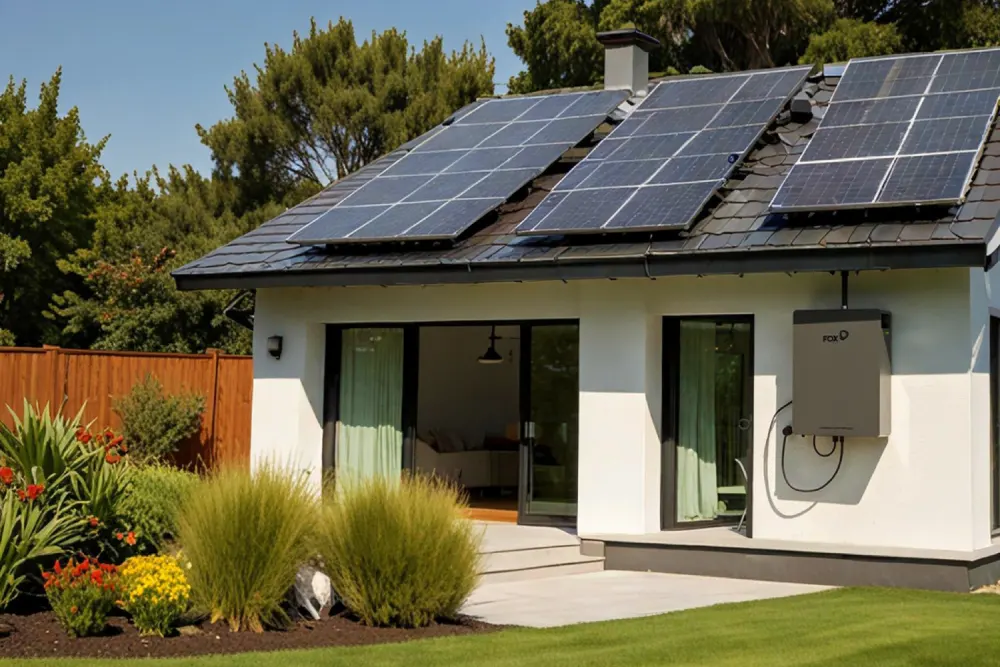
Battery storage systems store excess electricity generated by solar panels or the grid for later use, creating a reliable backup source of energy. Here’s how the process works step-by-step:
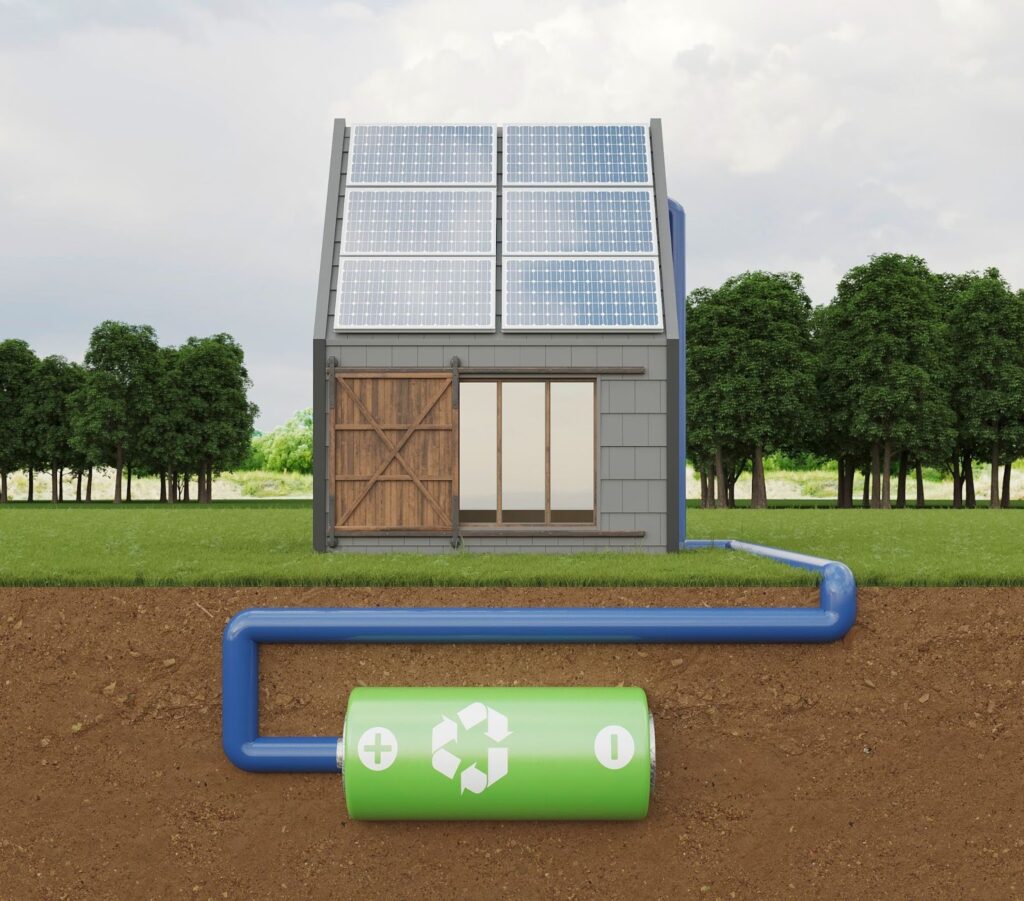
- Energy Collection: During peak sunlight hours, solar panels produce more electricity than your property can use. This extra energy can be channelled to your battery storage system rather than sent back to the grid.
- Energy Storage: The stored electricity remains in the battery until needed. High-quality batteries, such as lithium-ion, can hold a charge for days, ensuring you have energy ready even when the sun isn’t shining.
- Energy Usage: When your solar panels aren’t generating enough power or electricity prices peak, the stored energy can be used, helping you reduce costs and maintain energy availability.
Benefits of Battery Storage
- Energy Independence: Rely less on the grid and become more energy self-sufficient.
- Cost Savings: Reduce peak electricity charges by using stored power when rates are highest.
- Environmentally Friendly: Storing renewable energy reduces reliance on fossil fuels, cutting your carbon footprint.

What type of property do you have?

Detached House

Semi Detached House

Terraced House

Flat or Apartment
Bungalow
It just takes 2 minutes
And then you can book a free consultation
Considerations Before Choosing Battery Storage
- Capacity: Choose a battery that aligns with your energy needs and solar production.
- Lifespan: Battery storage systems can last between 10-15 years, depending on type and usage.
- Cost: Initial investment costs may vary based on battery type and capacity, so weigh these against your energy savings over time.
Contact All Solar Works to find out which battery storage is best for you!
Battery Storage with All Solar Works
Battery storage offers numerous benefits by allowing you to store and use renewable energy efficiently. For those with solar panels, battery storage is an excellent way to ensure constant power availability while potentially saving on energy costs.
Reach out to All Solar Works to learn more about which battery storage system would be best for your energy goals and property setup.
Related articles
What type of property do you have?
Detached House
Semi Detached House
Terraced House
Flat or Apartment
Bungalow
At a glance
Battery storage systems are revolutionising the way we store and use energy, especially when paired with solar panels. As the demand for renewable energy grows, understanding how battery storage works can help homeowners and businesses optimise their energy usage, reduce costs, and increase energy independence.
How Does Battery Storage Work?
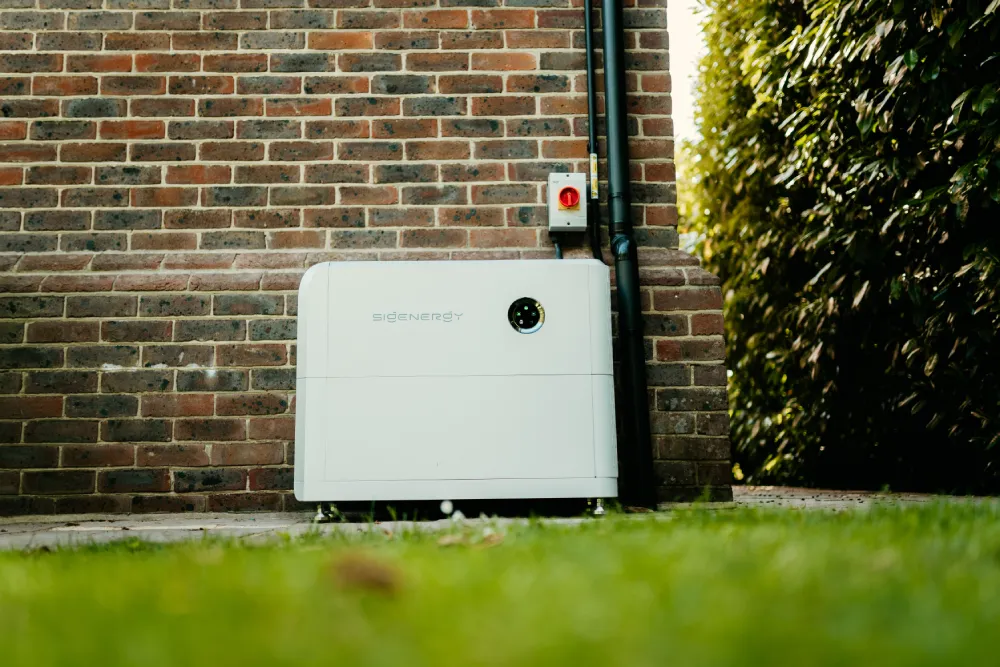
Battery storage systems store excess electricity generated by solar panels or the grid for later use, creating a reliable backup source of energy. Here’s how the process works step-by-step:
- Energy Collection: During peak sunlight hours, solar panels produce more electricity than your property can use. This extra energy can be channelled to your battery storage system rather than sent back to the grid.
- Energy Storage: The stored electricity remains in the battery until needed. High-quality batteries, such as lithium-ion, can hold a charge for days, ensuring you have energy ready even when the sun isn’t shining.
- Energy Usage: When your solar panels aren’t generating enough power or electricity prices peak, the stored energy can be used, helping you reduce costs and maintain energy availability.
Benefits of Battery Storage
- Energy Independence: Rely less on the grid and become more energy self-sufficient.
- Cost Savings: Reduce peak electricity charges by using stored power when rates are highest.
- Environmentally Friendly: Storing renewable energy reduces reliance on fossil fuels, cutting your carbon footprint.
What type of property do you have?
Detached House
Semi Detached House
Terraced House
Flat or Apartment
Bungalow
It just takes 2 minutes
And then you can book a free consultation
Considerations Before Choosing Battery Storage
- Capacity: Choose a battery that aligns with your energy needs and solar production.
- Lifespan: Battery storage systems can last between 10-15 years, depending on type and usage.
- Cost: Initial investment costs may vary based on battery type and capacity, so weigh these against your energy savings over time.
Contact All Solar Works to find out which battery storage is best for you!
Battery Storage with All Solar Works
Battery storage offers numerous benefits by allowing you to store and use renewable energy efficiently. For those with solar panels, battery storage is an excellent way to ensure constant power availability while potentially saving on energy costs.
Reach out to All Solar Works to learn more about which battery storage system would be best for your energy goals and property setup.
Related articles
What type of property do you have?
Detached House
Semi Detached House
Terraced House
Flat or Apartment
Bungalow