How to Choose the Right EV Charger for Your Home in Sussex
Electric vehicles (EVs) are no longer a passing trend—they are…

Why you can trust our content
We know that the solar industry is full of misinformation, but we only use reliable sources, including:




At a glance
Electric vehicles (EVs) are no longer a passing trend—they are now part of everyday life for households, businesses, and councils across the UK. With EV adoption growing in Sussex, choosing the right home EV charger is essential for convenience, cost-efficiency, and environmental sustainability. If you’re considering EV charger installation in Sussex, understanding your options will help you make an informed, future-ready decision.
This guide explores the types of EV chargers available, what to consider before installation, and the benefits of integrating your charger with renewable energy systems. You’ll also find answers to common questions UK homeowners have when investing in EV charging solutions.
Types of Home EV Chargers: Which One Suits You?
EV chargers are generally categorised into three types:
Level 1 Chargers: Simple and Slow
These chargers plug directly into a standard 120V UK socket and are the easiest to use. However, they charge slowly—roughly 3–5 miles of range per hour. This may suit low-mileage drivers or households with a secondary EV. Installation is simple, but the slow speed can be limiting.
Level 2 Chargers: Faster and Smarter
Level 2 chargers require a 240V power supply and deliver much faster charging—up to 30 miles of range per hour. These are ideal for daily drivers or those with longer commutes. A professional electrician is required for installation, and compliance with the IET Wiring Regulations (BS 7671) is essential. These chargers are popular in Sussex homes looking for efficient and sustainable EV charging.
You can explore EV charger installation options in Sussex that meet these requirements while ensuring future compatibility.
Smart Chargers: Intelligent and Efficient
Smart chargers take Level 2 functionality further by offering features like app control, remote monitoring, scheduled charging, and integration with solar panels. With energy bills rising in the UK, these chargers help homeowners charge during off-peak hours and maximise savings. They’re ideal for tech-savvy households and those using smart home systems or solar panels.
How to Choose the Right Charger for Your EV and Home
When choosing an EV charger, consider these essential factors:
- Daily mileage: If you only travel short distances, a basic charger may suffice. For longer commutes, invest in faster solutions.
- Electrical capacity: Hire a qualified electrician to evaluate whether your consumer unit can handle a Level 2 or smart charger.
- Vehicle compatibility: Most EVs in the UK use the Type 2 connector, but always check your car’s requirements.
- Cable length: Ensure the charger can reach your EV without creating trip hazards.
- Installation location: Whether it’s in a garage or on a driveway, make sure the site complies with weather protection standards.
Smart chargers are especially suitable for UK homes that already use or plan to integrate solar energy systems. If you’re considering renewable options, All Solar Works can advise on the best charger to complement your solar setup.
Key Features to Consider Before Buying
Charging Speed and Output
Higher power output translates to faster charging. Level 2 chargers typically provide between 7kW to 22kW in the UK. Match your charger’s output to your EV’s charging capacity and battery size.
App Integration and Scheduling
Smart EV chargers allow scheduling via mobile apps, letting you charge during cheaper off-peak hours. They also provide detailed energy usage reports, which is invaluable for tracking costs—particularly useful in regions like Sussex, where smart meters are widely adopted.
Plug Type and Durability
Most UK chargers come with Type 2 plugs, which are compatible with most EVs on British roads. Ensure the cable is robust and weather-resistant if the unit is being installed outdoors.
Installation Considerations in the UK
Proper installation is critical to safety and performance. Here are key points to consider:
- Qualified installer: Use an OZEV-approved electrician for compliance and eligibility for any government grants.
- Electrical upgrades: Older homes in Sussex may require an upgraded consumer unit or additional circuit to handle a high-powered EV charger.
- Location: Install the unit where it’s sheltered from extreme weather, preferably close to your driveway or garage to reduce cable hazards.
- Permits: While most home installations won’t need planning permission, listed buildings or homes in conservation areas may require additional checks.
If you’re opting for a smart charger, ensure your Wi-Fi signal reaches the installation point, or consider an Ethernet connection for stability.
What Will It Cost to Install an EV Charger?
In the UK, installing a Level 2 charger typically costs between £800 to £1,500, depending on the charger type and complexity of the installation. This includes the unit, labour, and necessary upgrades to your fuse board. Smart chargers tend to be at the higher end of the price range due to their advanced features.
Check with your local council or energy supplier in Sussex for available rebates or schemes under the Office for Zero Emission Vehicles (OZEV) grant. Some providers also offer bundled installation packages that reduce upfront costs.
Can Smart Chargers Really Save You Money?
Yes, especially in the UK where time-of-use tariffs and solar energy adoption are rising. Smart chargers let you:
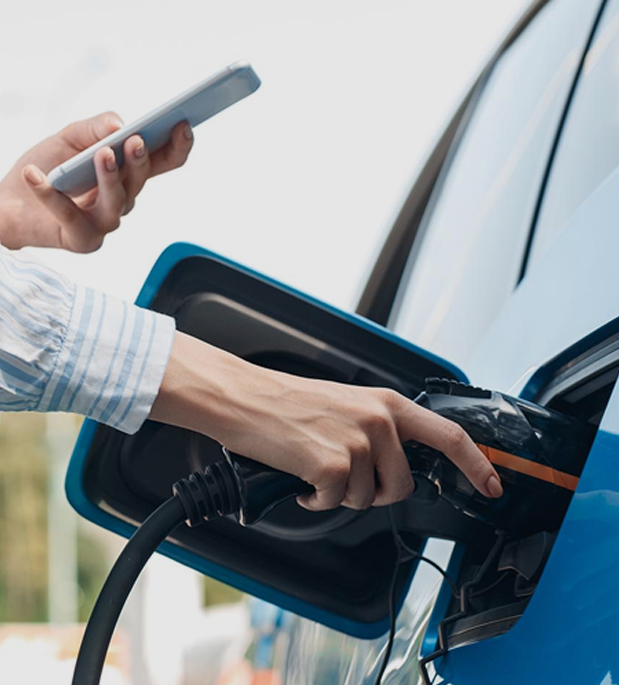
- Charge at off-peak electricity rates
- Track real-time usage
- Integrate with solar panels to use free daytime energy
- Participate in load-balancing schemes from your energy provider
Over time, this could reduce your energy bills significantly—making it a wise long-term investment.

What type of property do you have?

Detached House

Semi Detached House

Terraced House

Flat or Apartment
Bungalow
It just takes 2 minutes
And then you can book a free consultation
Final Buying Checklist
Before finalising your decision, double-check:
✅ Charger compatibility with your EV
✅ Available capacity in your electrical panel
✅ Smart features like remote monitoring and scheduling
✅ Reliable installation by a certified technician
✅ Availability of local grants or OZEV schemes
✅ Connection with existing or future solar panel systems
Getting these details right ensures you’re not only ready for the EV lifestyle but also aligned with sustainable and cost-efficient practices.
Related articles
What type of property do you have?
Detached House
Semi Detached House
Terraced House
Flat or Apartment
Bungalow
At a glance
Electric vehicles (EVs) are no longer a passing trend—they are now part of everyday life for households, businesses, and councils across the UK. With EV adoption growing in Sussex, choosing the right home EV charger is essential for convenience, cost-efficiency, and environmental sustainability. If you’re considering EV charger installation in Sussex, understanding your options will help you make an informed, future-ready decision.
This guide explores the types of EV chargers available, what to consider before installation, and the benefits of integrating your charger with renewable energy systems. You’ll also find answers to common questions UK homeowners have when investing in EV charging solutions.
Types of Home EV Chargers: Which One Suits You?
EV chargers are generally categorised into three types:
Level 1 Chargers: Simple and Slow
These chargers plug directly into a standard 120V UK socket and are the easiest to use. However, they charge slowly—roughly 3–5 miles of range per hour. This may suit low-mileage drivers or households with a secondary EV. Installation is simple, but the slow speed can be limiting.
Level 2 Chargers: Faster and Smarter
Level 2 chargers require a 240V power supply and deliver much faster charging—up to 30 miles of range per hour. These are ideal for daily drivers or those with longer commutes. A professional electrician is required for installation, and compliance with the IET Wiring Regulations (BS 7671) is essential. These chargers are popular in Sussex homes looking for efficient and sustainable EV charging.
You can explore EV charger installation options in Sussex that meet these requirements while ensuring future compatibility.
Smart Chargers: Intelligent and Efficient
Smart chargers take Level 2 functionality further by offering features like app control, remote monitoring, scheduled charging, and integration with solar panels. With energy bills rising in the UK, these chargers help homeowners charge during off-peak hours and maximise savings. They’re ideal for tech-savvy households and those using smart home systems or solar panels.
How to Choose the Right Charger for Your EV and Home
When choosing an EV charger, consider these essential factors:
- Daily mileage: If you only travel short distances, a basic charger may suffice. For longer commutes, invest in faster solutions.
- Electrical capacity: Hire a qualified electrician to evaluate whether your consumer unit can handle a Level 2 or smart charger.
- Vehicle compatibility: Most EVs in the UK use the Type 2 connector, but always check your car’s requirements.
- Cable length: Ensure the charger can reach your EV without creating trip hazards.
- Installation location: Whether it’s in a garage or on a driveway, make sure the site complies with weather protection standards.
Smart chargers are especially suitable for UK homes that already use or plan to integrate solar energy systems. If you’re considering renewable options, All Solar Works can advise on the best charger to complement your solar setup.
Key Features to Consider Before Buying
Charging Speed and Output
Higher power output translates to faster charging. Level 2 chargers typically provide between 7kW to 22kW in the UK. Match your charger’s output to your EV’s charging capacity and battery size.
App Integration and Scheduling
Smart EV chargers allow scheduling via mobile apps, letting you charge during cheaper off-peak hours. They also provide detailed energy usage reports, which is invaluable for tracking costs—particularly useful in regions like Sussex, where smart meters are widely adopted.
Plug Type and Durability
Most UK chargers come with Type 2 plugs, which are compatible with most EVs on British roads. Ensure the cable is robust and weather-resistant if the unit is being installed outdoors.
Installation Considerations in the UK
Proper installation is critical to safety and performance. Here are key points to consider:
- Qualified installer: Use an OZEV-approved electrician for compliance and eligibility for any government grants.
- Electrical upgrades: Older homes in Sussex may require an upgraded consumer unit or additional circuit to handle a high-powered EV charger.
- Location: Install the unit where it’s sheltered from extreme weather, preferably close to your driveway or garage to reduce cable hazards.
- Permits: While most home installations won’t need planning permission, listed buildings or homes in conservation areas may require additional checks.
If you’re opting for a smart charger, ensure your Wi-Fi signal reaches the installation point, or consider an Ethernet connection for stability.
What Will It Cost to Install an EV Charger?
In the UK, installing a Level 2 charger typically costs between £800 to £1,500, depending on the charger type and complexity of the installation. This includes the unit, labour, and necessary upgrades to your fuse board. Smart chargers tend to be at the higher end of the price range due to their advanced features.
Check with your local council or energy supplier in Sussex for available rebates or schemes under the Office for Zero Emission Vehicles (OZEV) grant. Some providers also offer bundled installation packages that reduce upfront costs.
Can Smart Chargers Really Save You Money?
Yes, especially in the UK where time-of-use tariffs and solar energy adoption are rising. Smart chargers let you:
- Charge at off-peak electricity rates
- Track real-time usage
- Integrate with solar panels to use free daytime energy
- Participate in load-balancing schemes from your energy provider
Over time, this could reduce your energy bills significantly—making it a wise long-term investment.
What type of property do you have?
Detached House
Semi Detached House
Terraced House
Flat or Apartment
Bungalow
It just takes 2 minutes
And then you can book a free consultation
Final Buying Checklist
Before finalising your decision, double-check:
✅ Charger compatibility with your EV
✅ Available capacity in your electrical panel
✅ Smart features like remote monitoring and scheduling
✅ Reliable installation by a certified technician
✅ Availability of local grants or OZEV schemes
✅ Connection with existing or future solar panel systems
Getting these details right ensures you’re not only ready for the EV lifestyle but also aligned with sustainable and cost-efficient practices.
Related articles
What type of property do you have?
Detached House
Semi Detached House
Terraced House
Flat or Apartment
Bungalow