How to Match Solar Panels to Real Household Usage in Worthing
Choosing the right solar panel system is about more than simply using all available roof space. A well-planned installation should consider your household’s electricity usage, daily routines, roof characteristics and potential future energy needs to help create a system suited to your property.

Why you can trust our content
We know that the solar industry is full of misinformation, but we only use reliable sources, including:




At a glance
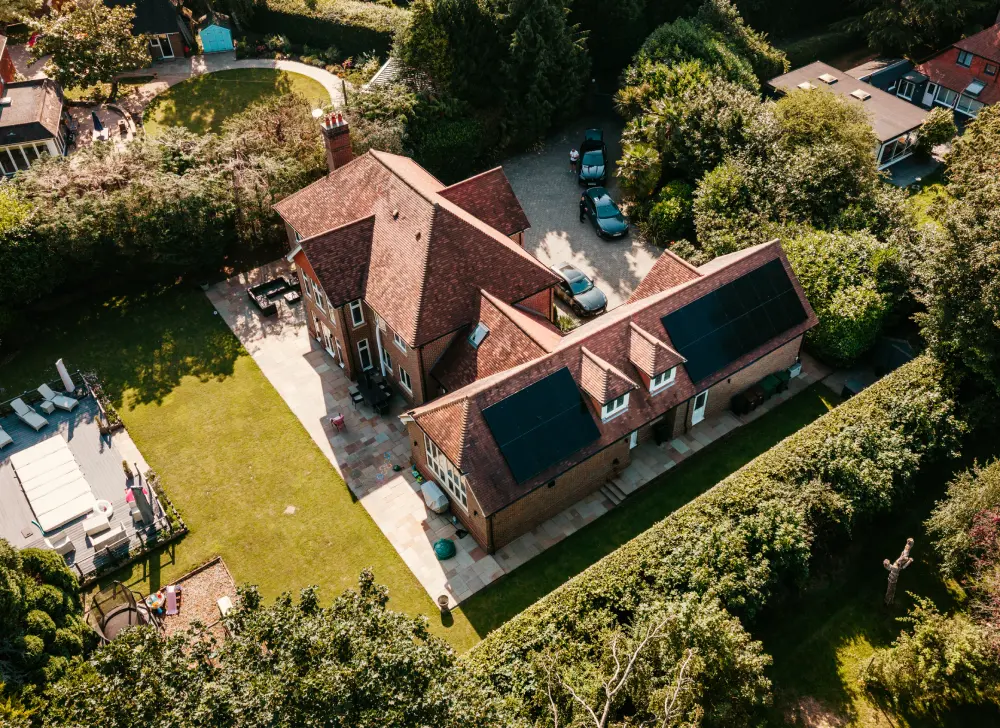
Choosing solar panels is not simply about filling every available section of roof. A well-planned system should reflect how much electricity a household uses, when that electricity is needed and how much energy the property can realistically generate.
Two homes with similar roofs can have very different energy requirements. One might have someone working from home throughout the day, while another could be empty until the early evening. Electric vehicles, heat pumps, electric cooking and changing family routines can also alter the amount and timing of electricity consumption.
For homeowners considering solar panel installation worthing, understanding these differences can help make the planning process more useful. Rather than starting with a fixed number of panels, it makes sense to start with the household and work towards a suitable system.
Why Should Solar Panel Size Reflect Household Usage?
Solar panels generate electricity whenever there is sufficient daylight, but the amount produced changes throughout the day and across the year.
A household’s electricity consumption follows a separate pattern. The more closely these two patterns overlap, the more solar electricity can potentially be used directly in the property.
For example, a home with regular daytime electricity demand may consume more generation as it is produced. A household that is usually empty during daylight may produce more surplus electricity, which could potentially be exported or stored.
This is why annual electricity consumption alone does not tell the whole story.
What Information Is Useful Before Designing a Solar System?
An installer can make more informed recommendations when they have a clear picture of the property’s energy use.
Useful information includes:
- Recent electricity bills
- Smart meter data, if available
- Number of people living in the property
- Typical weekday occupancy
- Weekend electricity habits
- Electric vehicle charging
- Electric heating or hot water
- Major appliances
- Plans for future electrical upgrades
It is also worth considering whether your current electricity consumption is likely to remain stable.
A family expecting to buy an electric vehicle may have considerably different future demand from the same family before the vehicle is purchased. Similarly, replacing a gas heating system with electric equipment could increase electricity consumption significantly.
If you are unsure what information matters, the All Solar Works team can help you identify the key details before discussing system options. Good design starts with understanding the property rather than making assumptions about it.
How Does Your Roof Affect Solar Panel Capacity?
Household usage is only one part of the design.
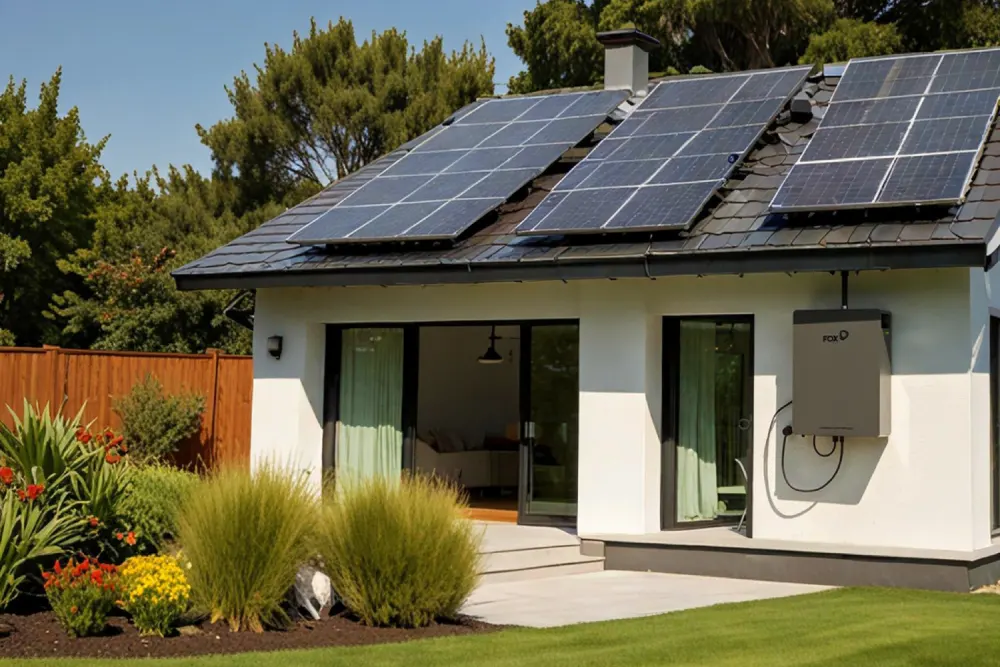
The roof itself can affect how much electricity a solar system can generate. Important considerations include:
- Roof orientation
- Roof pitch
- Available roof area
- Shading from trees or nearby buildings
- Roof condition
- Obstructions such as skylights or chimneys
- The position of existing equipment
Two properties with identical annual electricity consumption may therefore need different panel arrangements.
A roof that receives strong sunlight for much of the day could provide a different generation profile from one affected by substantial shading or an orientation that receives less useful sunlight during peak generation periods.
Does More Electricity Use Always Mean You Need More Panels?
No.
A household with high annual consumption may benefit from a larger solar system, but only if the property has suitable space and generation potential.
There is also a difference between producing more electricity and using more electricity directly.
Suppose one home consumes 5,000 kWh per year but most of that electricity is used during daylight. Another home consumes the same annual amount but uses most of it after 5pm.
Their solar requirements could be quite different.
The second property may have a stronger reason to consider battery storage or other ways of managing surplus generation.
What Is the Difference Between Solar Generation and Solar Self-Consumption?
Solar generation refers to the electricity produced by the panels.
Solar self-consumption refers to the electricity generated by the panels that is used directly within the property.
These are not the same thing.
For example, if panels generate electricity while the washing machine, dishwasher and other household equipment are operating, much of that generation may be consumed immediately.
If the home is empty and demand is low, more of the electricity may become surplus.
This distinction matters because the value of a solar installation depends not only on how much electricity the panels produce, but also on what happens to that electricity.
How Can You Estimate the Right Solar System Size?
There is no single panel count that is right for every household.
A sensible assessment normally considers:
| Consideration | Why it matters |
| Annual electricity use | Indicates overall energy demand |
| Daytime consumption | Helps estimate direct solar use |
| Roof size | Determines available panel space |
| Roof orientation | Influences generation potential |
| Shading | Can reduce output |
| Future electricity demand | Helps avoid designing for outdated usage |
| Battery plans | Can affect how surplus generation is managed |
| Budget | Determines the practical scope of the project |
The goal is to balance generation potential with household requirements.
For this reason, discussions about the average cost of solar worthing can be useful as a starting point, but a generic figure cannot tell you what your own property requires.
What Does the Average Cost of Solar Tell You?
The average cost of solar worthing can provide a broad indication of what homeowners might encounter, but it should not be treated as a quote for an individual property.
Installation costs can vary because of:
- Number and type of panels
- Inverter specification
- Roof access
- Electrical work
- Scaffolding requirements
- System complexity
- Battery storage
- Monitoring equipment
- Additional installation work
A lower headline price is not necessarily the better option if the system has not been properly designed for the property.
Equally, a more expensive proposal is not automatically better. The important question is whether the equipment and installation work are appropriate for the home’s requirements.
How Does Working From Home Change Solar Planning?
Working from home can increase daytime electricity consumption.
Computers, monitors, broadband equipment, lighting and other office equipment may run for several hours while the panels are generating.
Other household activities may also be shifted into daylight hours. A washing machine or dishwasher, for example, could potentially be scheduled when solar production is stronger.
This can increase direct use of generated electricity without changing the panel system itself.
However, normal household behaviour should remain the starting point. Solar planning should not assume that homeowners will constantly adjust their routine around the weather.

What type of property do you have?

Detached House

Semi Detached House

Terraced House

Flat or Apartment
Bungalow
It just takes 2 minutes
And then you can book a free consultation
What If Your Household Uses Most Electricity in the Evening?
Evening-heavy consumption is common.
Cooking, lighting, entertainment, appliances and electric vehicle charging can all increase electricity use after solar generation begins to fall.
In this situation, battery storage may be worth discussing. A battery can potentially store some surplus solar electricity during the day and release it later.
That does not mean every evening-heavy household needs a battery. The decision depends on the amount of surplus generation, electricity demand, battery capacity and overall costs.
Should You Plan for Future Electricity Demand?
Yes. Solar panels can remain in service for many years, so it makes sense to think beyond today’s electricity bill.
Possible future changes include:
- Buying an electric vehicle
- Installing electric heating
- Adding air conditioning
- Increasing home working
- Extending the property
- Adding new electrical appliances
- Changes in household size
A system designed around today’s consumption may still work well, but future demand could alter how much electricity the household imports, uses directly or stores.
Discussing foreseeable changes with the installer allows them to consider whether the system should accommodate them.
If your electricity requirements are likely to change, tell All Solar Works before the design is finalised. A conversation about future plans can be just as useful as looking at historical consumption.
A Typical Worthing Household Example
Consider a three-bedroom home with four occupants. During weekdays, the property is occupied for parts of the day, with one person working remotely several days a week.
The household uses electricity for cooking, washing, refrigeration, computers and entertainment. It also expects to purchase an electric vehicle in the future.
Rather than choosing a system based solely on roof size, an installer could consider current consumption, daytime demand, roof characteristics and the likely increase in electricity use from vehicle charging.
The result could be a more informed conversation about panel capacity, inverter selection and whether battery storage should be included now or considered later.
The example is deliberately generic. Every property’s design needs to be assessed individually.
What Should You Ask Before Agreeing to Solar Panel Installation?
A useful quotation should explain more than the number of panels and the total price.
Consider asking:
- How was the proposed system size calculated?
- What annual generation is expected?
- Has roof orientation been considered?
- Are there any shading concerns?
- What assumptions have been made about household electricity use?
- How much electricity might be used directly?
- What happens to surplus generation?
- Is battery storage recommended, and why?
- Can the system accommodate future demand?
- What equipment is included in the quotation?
Clear answers make it easier to understand whether the proposed installation has been designed around the actual property.
How Should You Compare Solar Installation Quotes?
Price matters, but it should be considered alongside system design.
When comparing quotations, check whether they cover comparable equipment and installation work. A proposal that appears cheaper may exclude certain electrical work, monitoring equipment or other requirements.
The expected generation figure is also worth examining. A system with fewer panels can potentially perform differently from one with more panels depending on roof orientation, shading and panel specifications.
If you are comparing options for solar panel installation worthing, All Solar Works can discuss the requirements of your property and explain what the proposed system is designed to achieve.
Related articles
What type of property do you have?
Detached House
Semi Detached House
Terraced House
Flat or Apartment
Bungalow
At a glance
Choosing solar panels is not simply about filling every available section of roof. A well-planned system should reflect how much electricity a household uses, when that electricity is needed and how much energy the property can realistically generate.
Two homes with similar roofs can have very different energy requirements. One might have someone working from home throughout the day, while another could be empty until the early evening. Electric vehicles, heat pumps, electric cooking and changing family routines can also alter the amount and timing of electricity consumption.
For homeowners considering solar panel installation worthing, understanding these differences can help make the planning process more useful. Rather than starting with a fixed number of panels, it makes sense to start with the household and work towards a suitable system.
Why Should Solar Panel Size Reflect Household Usage?
Solar panels generate electricity whenever there is sufficient daylight, but the amount produced changes throughout the day and across the year.
A household’s electricity consumption follows a separate pattern. The more closely these two patterns overlap, the more solar electricity can potentially be used directly in the property.
For example, a home with regular daytime electricity demand may consume more generation as it is produced. A household that is usually empty during daylight may produce more surplus electricity, which could potentially be exported or stored.
This is why annual electricity consumption alone does not tell the whole story.
What Information Is Useful Before Designing a Solar System?
An installer can make more informed recommendations when they have a clear picture of the property’s energy use.
Useful information includes:
- Recent electricity bills
- Smart meter data, if available
- Number of people living in the property
- Typical weekday occupancy
- Weekend electricity habits
- Electric vehicle charging
- Electric heating or hot water
- Major appliances
- Plans for future electrical upgrades
It is also worth considering whether your current electricity consumption is likely to remain stable.
A family expecting to buy an electric vehicle may have considerably different future demand from the same family before the vehicle is purchased. Similarly, replacing a gas heating system with electric equipment could increase electricity consumption significantly.
If you are unsure what information matters, the All Solar Works team can help you identify the key details before discussing system options. Good design starts with understanding the property rather than making assumptions about it.
How Does Your Roof Affect Solar Panel Capacity?
Household usage is only one part of the design.
The roof itself can affect how much electricity a solar system can generate. Important considerations include:
- Roof orientation
- Roof pitch
- Available roof area
- Shading from trees or nearby buildings
- Roof condition
- Obstructions such as skylights or chimneys
- The position of existing equipment
Two properties with identical annual electricity consumption may therefore need different panel arrangements.
A roof that receives strong sunlight for much of the day could provide a different generation profile from one affected by substantial shading or an orientation that receives less useful sunlight during peak generation periods.
Does More Electricity Use Always Mean You Need More Panels?
No.
A household with high annual consumption may benefit from a larger solar system, but only if the property has suitable space and generation potential.
There is also a difference between producing more electricity and using more electricity directly.
Suppose one home consumes 5,000 kWh per year but most of that electricity is used during daylight. Another home consumes the same annual amount but uses most of it after 5pm.
Their solar requirements could be quite different.
The second property may have a stronger reason to consider battery storage or other ways of managing surplus generation.
What Is the Difference Between Solar Generation and Solar Self-Consumption?
Solar generation refers to the electricity produced by the panels.
Solar self-consumption refers to the electricity generated by the panels that is used directly within the property.
These are not the same thing.
For example, if panels generate electricity while the washing machine, dishwasher and other household equipment are operating, much of that generation may be consumed immediately.
If the home is empty and demand is low, more of the electricity may become surplus.
This distinction matters because the value of a solar installation depends not only on how much electricity the panels produce, but also on what happens to that electricity.
How Can You Estimate the Right Solar System Size?
There is no single panel count that is right for every household.
A sensible assessment normally considers:
| Consideration | Why it matters |
| Annual electricity use | Indicates overall energy demand |
| Daytime consumption | Helps estimate direct solar use |
| Roof size | Determines available panel space |
| Roof orientation | Influences generation potential |
| Shading | Can reduce output |
| Future electricity demand | Helps avoid designing for outdated usage |
| Battery plans | Can affect how surplus generation is managed |
| Budget | Determines the practical scope of the project |
The goal is to balance generation potential with household requirements.
For this reason, discussions about the average cost of solar worthing can be useful as a starting point, but a generic figure cannot tell you what your own property requires.
What Does the Average Cost of Solar Tell You?
The average cost of solar worthing can provide a broad indication of what homeowners might encounter, but it should not be treated as a quote for an individual property.
Installation costs can vary because of:
- Number and type of panels
- Inverter specification
- Roof access
- Electrical work
- Scaffolding requirements
- System complexity
- Battery storage
- Monitoring equipment
- Additional installation work
A lower headline price is not necessarily the better option if the system has not been properly designed for the property.
Equally, a more expensive proposal is not automatically better. The important question is whether the equipment and installation work are appropriate for the home’s requirements.
How Does Working From Home Change Solar Planning?
Working from home can increase daytime electricity consumption.
Computers, monitors, broadband equipment, lighting and other office equipment may run for several hours while the panels are generating.
Other household activities may also be shifted into daylight hours. A washing machine or dishwasher, for example, could potentially be scheduled when solar production is stronger.
This can increase direct use of generated electricity without changing the panel system itself.
However, normal household behaviour should remain the starting point. Solar planning should not assume that homeowners will constantly adjust their routine around the weather.
What type of property do you have?
Detached House
Semi Detached House
Terraced House
Flat or Apartment
Bungalow
It just takes 2 minutes
And then you can book a free consultation
What If Your Household Uses Most Electricity in the Evening?
Evening-heavy consumption is common.
Cooking, lighting, entertainment, appliances and electric vehicle charging can all increase electricity use after solar generation begins to fall.
In this situation, battery storage may be worth discussing. A battery can potentially store some surplus solar electricity during the day and release it later.
That does not mean every evening-heavy household needs a battery. The decision depends on the amount of surplus generation, electricity demand, battery capacity and overall costs.
Should You Plan for Future Electricity Demand?
Yes. Solar panels can remain in service for many years, so it makes sense to think beyond today’s electricity bill.
Possible future changes include:
- Buying an electric vehicle
- Installing electric heating
- Adding air conditioning
- Increasing home working
- Extending the property
- Adding new electrical appliances
- Changes in household size
A system designed around today’s consumption may still work well, but future demand could alter how much electricity the household imports, uses directly or stores.
Discussing foreseeable changes with the installer allows them to consider whether the system should accommodate them.
If your electricity requirements are likely to change, tell All Solar Works before the design is finalised. A conversation about future plans can be just as useful as looking at historical consumption.
A Typical Worthing Household Example
Consider a three-bedroom home with four occupants. During weekdays, the property is occupied for parts of the day, with one person working remotely several days a week.
The household uses electricity for cooking, washing, refrigeration, computers and entertainment. It also expects to purchase an electric vehicle in the future.
Rather than choosing a system based solely on roof size, an installer could consider current consumption, daytime demand, roof characteristics and the likely increase in electricity use from vehicle charging.
The result could be a more informed conversation about panel capacity, inverter selection and whether battery storage should be included now or considered later.
The example is deliberately generic. Every property’s design needs to be assessed individually.
What Should You Ask Before Agreeing to Solar Panel Installation?
A useful quotation should explain more than the number of panels and the total price.
Consider asking:
- How was the proposed system size calculated?
- What annual generation is expected?
- Has roof orientation been considered?
- Are there any shading concerns?
- What assumptions have been made about household electricity use?
- How much electricity might be used directly?
- What happens to surplus generation?
- Is battery storage recommended, and why?
- Can the system accommodate future demand?
- What equipment is included in the quotation?
Clear answers make it easier to understand whether the proposed installation has been designed around the actual property.
How Should You Compare Solar Installation Quotes?
Price matters, but it should be considered alongside system design.
When comparing quotations, check whether they cover comparable equipment and installation work. A proposal that appears cheaper may exclude certain electrical work, monitoring equipment or other requirements.
The expected generation figure is also worth examining. A system with fewer panels can potentially perform differently from one with more panels depending on roof orientation, shading and panel specifications.
If you are comparing options for solar panel installation worthing, All Solar Works can discuss the requirements of your property and explain what the proposed system is designed to achieve.
Related articles
What type of property do you have?
Detached House
Semi Detached House
Terraced House
Flat or Apartment
Bungalow