Local Experts in Worthing Solar Investment Planning
Solar energy is increasingly viewed as a long-term investment, offering benefits beyond lower electricity bills. Expert planning helps homeowners in Worthing maximise returns, improve energy independence and increase the value of their property.

Why you can trust our content
We know that the solar industry is full of misinformation, but we only use reliable sources, including:




At a glance
At a glance
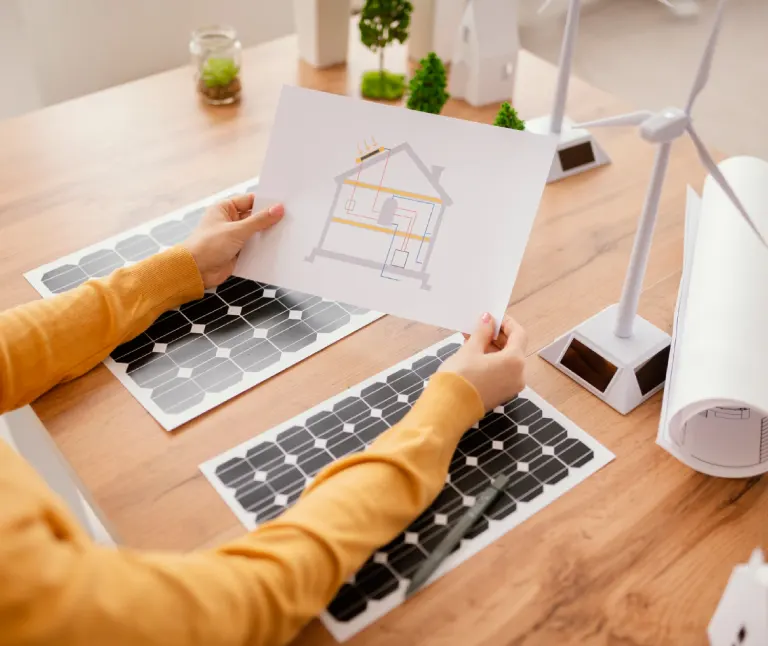
Investing in solar energy is no longer just about reducing electricity bills. For many homeowners, it has become a structured financial decision focused on long-term returns, energy independence, and property value. In Worthing, more homeowners are now looking at solar systems as part of a wider home investment strategy rather than a simple upgrade.
Working with a trusted solar and battery company worthing ensures that installations are designed not only for performance but also for financial efficiency over time. The planning stage is where most of the long-term value is either gained or lost.
If you are considering solar for your home, you can request tailored investment planning advice from All Solar Works to understand your potential long-term returns.
What Does Solar Investment Planning Actually Mean?
No. Investment planning goes much deeper than installation alone.
No. Investment planning goes much deeper than installation alone.
It includes:
A well-structured approach from a solar and battery company worthing ensures the system works as a financial asset, not just an energy solution.
Why Is Financial Planning So Important for Solar Systems?
Can planning really change your return on investment?
Yes, significantly.
Poor planning can lead to:
Good planning improves:
This is why financial modelling is just as important as panel selection.
How Do Experts Assess a Property Before Installation?
What happens during the planning stage?
A detailed assessment is carried out before any installation begins.
This typically includes:
The goal is to design a system that performs efficiently across all seasons, not just peak summer months.

What type of property do you have?

Detached House

Semi Detached House

Terraced House

Flat or Apartment
Bungalow
It just takes 2 minutes
And then you can book a free consultation
What Role Does Battery Storage Play in Investment Planning?
Do batteries change financial outcomes?
Yes, significantly.
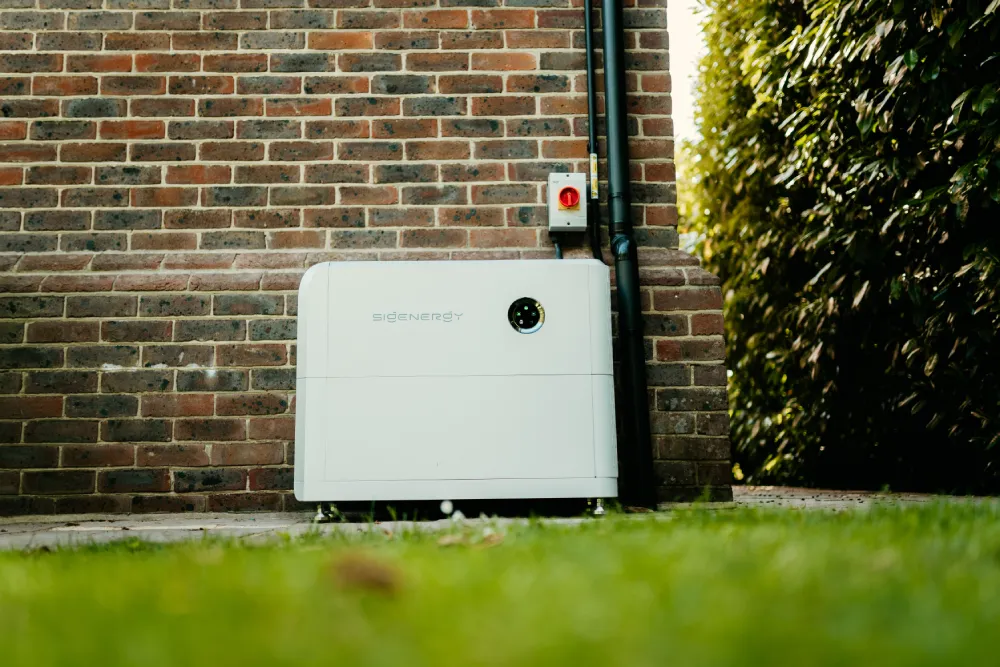
Battery storage allows homeowners to:
| System Type | Self-Consumption Rate | Grid Dependency | Payback Period |
| Solar only | 30-40% | High | 8-12 years |
| Solar + battery | 70-85% | Low | 6-10 years |
A skilled solar and battery company worthing will always consider storage early in the planning process rather than treating it as an afterthought.
How Do You Maximise Long-Term Return on Solar Investment?
Is it just about installing more panels?
Not necessarily. Bigger systems are not always better.
Key optimisation strategies include:
A well-balanced system often outperforms a larger poorly designed one.
Case Study: Worthing Home Investment Planning Example
A detached property in Worthing required a long-term energy solution.
Key details:
Initial considerations:
Final design approach:
The result was a more balanced investment strategy that prioritised long-term returns over short-term savings.
This approach is commonly recommended by any experienced solar and battery company worthing focusing on financial optimisation rather than basic installation.
What Mistakes Do Homeowners Commonly Make?
Where do investment plans go wrong?
Common issues include:
Avoiding these mistakes leads to more predictable and stable long-term returns.
How Is ROI Calculated for Solar Systems?
What determines payback time?
Return on investment is influenced by:
Simple formula used by professionals:
However, real-world modelling also considers energy inflation and usage changes over time.
Why Local Expertise Matters in Worthing
Does location really make a difference?
Yes. Local conditions directly affect system performance.
Worthing properties often face:
A local solar and battery company worthing understands these conditions and adjusts system design accordingly to improve efficiency and long-term reliability.
How Does Professional Planning Improve Property Value?
Is solar an asset or just a cost?
When properly designed, solar becomes a long-term asset.
Benefits include:
This makes solar systems particularly valuable in competitive housing markets.
Internal Planning Considerations for Homeowners
Before installation, homeowners should consider:
These factors significantly influence system design and performance outcomes.
Where Should You Seek Professional Guidance?
Early consultation helps ensure systems are designed correctly from the beginning rather than adjusted later at higher cost.
Speak to our team at All Solar Works for tailored solar investment planning designed around your property and future energy goals.
Why Planning Matters More Than Equipment Choice
While panel quality and battery technology are important, planning is what determines overall system success.
Strong planning delivers:
Without proper design, even the best equipment may underperform.
Related articles

What type of property do you have?
Detached House
Semi Detached House
Terraced House
Flat or Apartment
Bungalow
At a glance
At a glance
Investing in solar energy is no longer just about reducing electricity bills. For many homeowners, it has become a structured financial decision focused on long-term returns, energy independence, and property value. In Worthing, more homeowners are now looking at solar systems as part of a wider home investment strategy rather than a simple upgrade.
Working with a trusted solar and battery company worthing ensures that installations are designed not only for performance but also for financial efficiency over time. The planning stage is where most of the long-term value is either gained or lost.
If you are considering solar for your home, you can request tailored investment planning advice from All Solar Works to understand your potential long-term returns.
What Does Solar Investment Planning Actually Mean?
No. Investment planning goes much deeper than installation alone.
No. Investment planning goes much deeper than installation alone.
It includes:
A well-structured approach from a solar and battery company worthing ensures the system works as a financial asset, not just an energy solution.
Why Is Financial Planning So Important for Solar Systems?
Can planning really change your return on investment?
Yes, significantly.
Poor planning can lead to:
Good planning improves:
This is why financial modelling is just as important as panel selection.
How Do Experts Assess a Property Before Installation?
What happens during the planning stage?
A detailed assessment is carried out before any installation begins.
This typically includes:
The goal is to design a system that performs efficiently across all seasons, not just peak summer months.
What type of property do you have?
Detached House
Semi Detached House
Terraced House
Flat or Apartment
Bungalow
It just takes 2 minutes
And then you can book a free consultation
What Role Does Battery Storage Play in Investment Planning?
Do batteries change financial outcomes?
Yes, significantly.
Battery storage allows homeowners to:
| System Type | Self-Consumption Rate | Grid Dependency | Payback Period |
| Solar only | 30-40% | High | 8-12 years |
| Solar + battery | 70-85% | Low | 6-10 years |
A skilled solar and battery company worthing will always consider storage early in the planning process rather than treating it as an afterthought.
How Do You Maximise Long-Term Return on Solar Investment?
Is it just about installing more panels?
Not necessarily. Bigger systems are not always better.
Key optimisation strategies include:
A well-balanced system often outperforms a larger poorly designed one.
Case Study: Worthing Home Investment Planning Example
A detached property in Worthing required a long-term energy solution.
Key details:
Initial considerations:
Final design approach:
The result was a more balanced investment strategy that prioritised long-term returns over short-term savings.
This approach is commonly recommended by any experienced solar and battery company worthing focusing on financial optimisation rather than basic installation.
What Mistakes Do Homeowners Commonly Make?
Where do investment plans go wrong?
Common issues include:
Avoiding these mistakes leads to more predictable and stable long-term returns.
How Is ROI Calculated for Solar Systems?
What determines payback time?
Return on investment is influenced by:
Simple formula used by professionals:
However, real-world modelling also considers energy inflation and usage changes over time.
Why Local Expertise Matters in Worthing
Does location really make a difference?
Yes. Local conditions directly affect system performance.
Worthing properties often face:
A local solar and battery company worthing understands these conditions and adjusts system design accordingly to improve efficiency and long-term reliability.
How Does Professional Planning Improve Property Value?
Is solar an asset or just a cost?
When properly designed, solar becomes a long-term asset.
Benefits include:
This makes solar systems particularly valuable in competitive housing markets.
Internal Planning Considerations for Homeowners
Before installation, homeowners should consider:
These factors significantly influence system design and performance outcomes.
Where Should You Seek Professional Guidance?
Early consultation helps ensure systems are designed correctly from the beginning rather than adjusted later at higher cost.
Speak to our team at All Solar Works for tailored solar investment planning designed around your property and future energy goals.
Why Planning Matters More Than Equipment Choice
While panel quality and battery technology are important, planning is what determines overall system success.
Strong planning delivers:
Without proper design, even the best equipment may underperform.
Related articles
What type of property do you have?
Detached House
Semi Detached House
Terraced House
Flat or Apartment
Bungalow