Solar and Battery Cost Worthing: 5-Year vs 20-Year Return
When considering solar panels, adding a battery is often the…

Why you can trust our content
We know that the solar industry is full of misinformation, but we only use reliable sources, including:




At a glance
When considering solar panels, adding a battery is often the next question. While solar alone can significantly reduce energy bills, batteries promise greater independence and efficiency. But how does this affect your return on investment over time?
For homeowners in Worthing, the key is understanding how costs and savings evolve across different timeframes. A system that looks expensive upfront may deliver far greater value when viewed over 20 years rather than just the first five.
What Is the Typical Solar and Battery Cost in Worthing?
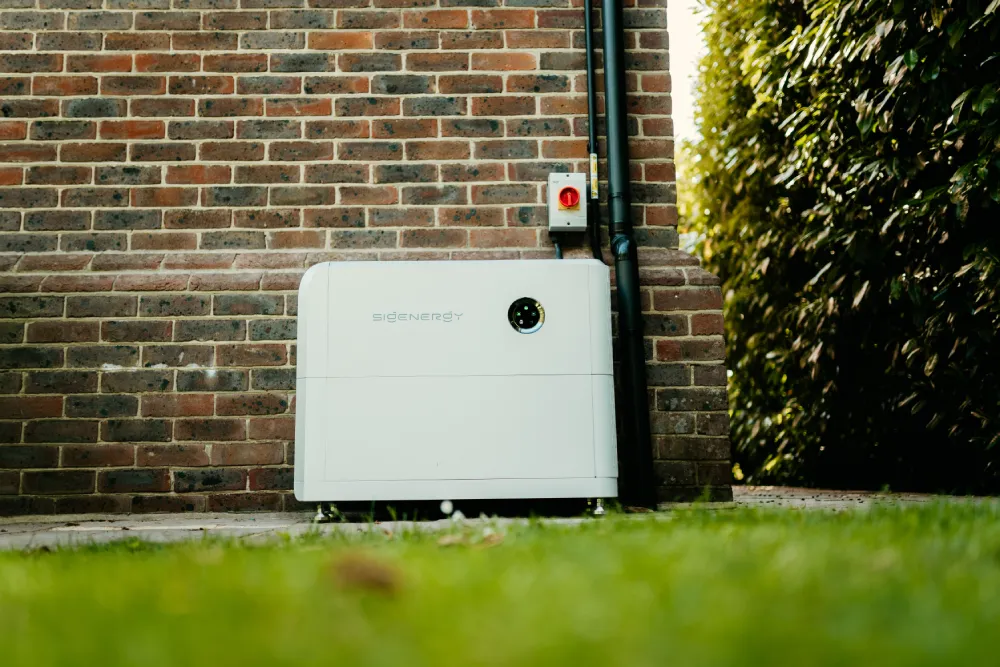
The solar and battery cost worthing homeowners typically depends on system size and battery capacity. A standard setup includes solar panels paired with a storage system to capture unused energy.
Typical combined costs are:
While this represents a higher upfront investment, it also changes how and when you benefit from your solar energy.
How Do Returns Compare Over 5 Years?
Is solar alone better in the short term?
In the first five years, solar-only systems usually deliver a faster return. This is because the initial investment is lower, allowing savings to offset costs more quickly.
Typical 5-year outcomes:
| System Type | Initial Cost | 5-Year Savings | Remaining Balance |
| Solar Only | £7,000 | £4,500 | £2,500 remaining |
| Solar + Battery | £10,500 | £5,500 | £5,000 remaining |
Although the battery system saves slightly more, the higher upfront cost means it takes longer to break even.
What Changes Over 20 Years?
Does a battery improve long-term ROI?
Over a 20-year period, the picture shifts significantly. Batteries allow you to store and use more of your own energy, increasing overall savings.
Typical 20-year comparison:
| System Type | Total Savings | Net Profit After Costs |
| Solar Only | £20,000 | £13,000 |
| Solar + Battery | £26,000 | £15,500 |
In this scenario, the system with storage delivers greater overall value, even though it takes longer to reach payback.
This is where the solar and battery cost worthing calculation becomes more about long-term gain rather than short-term recovery.
Why Do Batteries Increase Long-Term Savings?
The main advantage of a battery is improved self-consumption. Instead of exporting unused electricity to the grid at lower rates, you store it for use later.
Key benefits include:
Over time, these benefits compound, increasing your total return.
Are There Any Downsides to Adding a Battery?
While batteries offer clear advantages, they are not always the best choice for every household.
Consider the following:
For some homeowners, a phased approach may work better, installing solar first and adding a battery later.
A Typical Worthing Installation Example
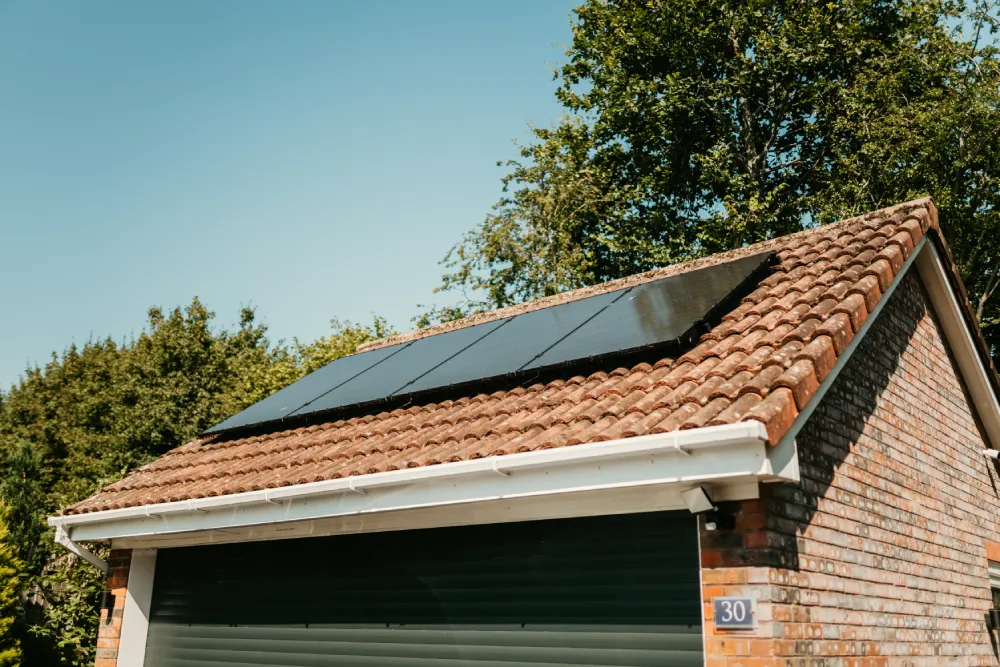
Take a semi-detached property, installing a 4kW solar system with a battery.
Compared to solar alone, this setup delivers higher long-term returns despite the longer initial payback.
This reflects how the solar and battery cost worthing investment evolves over time.
Should You Prioritise Short-Term or Long-Term Returns?
What is the best approach for your home?
Your decision depends on your priorities:
Choose solar only if you want:
Choose solar with a battery if you want:
There is no one-size-fits-all answer. The right choice depends on your budget, usage habits, and long-term goals.
Can You Add a Battery Later?
Yes, many homeowners choose to install solar panels first and add a battery later.
This approach allows you to:
However, integrating a battery later may involve additional installation considerations, so it is worth planning ahead.

What type of property do you have?

Detached House

Semi Detached House

Terraced House

Flat or Apartment
Bungalow
It just takes 2 minutes
And then you can book a free consultation
How to Maximise ROI with Solar and Battery
To get the best return from your system:
A well-designed system ensures you get the most from your investment over both short and long timeframes.
Solar panels already offer strong financial returns, but adding a battery changes how those returns develop over time. While the initial investment is higher, the long-term benefits can be substantial.
For homeowners in Worthing and across West Sussex, the decision comes down to balancing short-term affordability with long-term value. By understanding both perspectives, you can make a more informed and confident choice.
Related articles
What type of property do you have?
Detached House
Semi Detached House
Terraced House
Flat or Apartment
Bungalow
At a glance
When considering solar panels, adding a battery is often the next question. While solar alone can significantly reduce energy bills, batteries promise greater independence and efficiency. But how does this affect your return on investment over time?
For homeowners in Worthing, the key is understanding how costs and savings evolve across different timeframes. A system that looks expensive upfront may deliver far greater value when viewed over 20 years rather than just the first five.
What Is the Typical Solar and Battery Cost in Worthing?
The solar and battery cost worthing homeowners typically depends on system size and battery capacity. A standard setup includes solar panels paired with a storage system to capture unused energy.
Typical combined costs are:
While this represents a higher upfront investment, it also changes how and when you benefit from your solar energy.
How Do Returns Compare Over 5 Years?
Is solar alone better in the short term?
In the first five years, solar-only systems usually deliver a faster return. This is because the initial investment is lower, allowing savings to offset costs more quickly.
Typical 5-year outcomes:
| System Type | Initial Cost | 5-Year Savings | Remaining Balance |
| Solar Only | £7,000 | £4,500 | £2,500 remaining |
| Solar + Battery | £10,500 | £5,500 | £5,000 remaining |
Although the battery system saves slightly more, the higher upfront cost means it takes longer to break even.
What Changes Over 20 Years?
Does a battery improve long-term ROI?
Over a 20-year period, the picture shifts significantly. Batteries allow you to store and use more of your own energy, increasing overall savings.
Typical 20-year comparison:
| System Type | Total Savings | Net Profit After Costs |
| Solar Only | £20,000 | £13,000 |
| Solar + Battery | £26,000 | £15,500 |
In this scenario, the system with storage delivers greater overall value, even though it takes longer to reach payback.
This is where the solar and battery cost worthing calculation becomes more about long-term gain rather than short-term recovery.
Why Do Batteries Increase Long-Term Savings?
The main advantage of a battery is improved self-consumption. Instead of exporting unused electricity to the grid at lower rates, you store it for use later.
Key benefits include:
Over time, these benefits compound, increasing your total return.
Are There Any Downsides to Adding a Battery?
While batteries offer clear advantages, they are not always the best choice for every household.
Consider the following:
For some homeowners, a phased approach may work better, installing solar first and adding a battery later.
A Typical Worthing Installation Example
Take a semi-detached property, installing a 4kW solar system with a battery.
Compared to solar alone, this setup delivers higher long-term returns despite the longer initial payback.
This reflects how the solar and battery cost worthing investment evolves over time.
Should You Prioritise Short-Term or Long-Term Returns?
What is the best approach for your home?
Your decision depends on your priorities:
Choose solar only if you want:
Choose solar with a battery if you want:
There is no one-size-fits-all answer. The right choice depends on your budget, usage habits, and long-term goals.
Can You Add a Battery Later?
Yes, many homeowners choose to install solar panels first and add a battery later.
This approach allows you to:
However, integrating a battery later may involve additional installation considerations, so it is worth planning ahead.
What type of property do you have?
Detached House
Semi Detached House
Terraced House
Flat or Apartment
Bungalow
It just takes 2 minutes
And then you can book a free consultation
How to Maximise ROI with Solar and Battery
To get the best return from your system:
A well-designed system ensures you get the most from your investment over both short and long timeframes.
Solar panels already offer strong financial returns, but adding a battery changes how those returns develop over time. While the initial investment is higher, the long-term benefits can be substantial.
For homeowners in Worthing and across West Sussex, the decision comes down to balancing short-term affordability with long-term value. By understanding both perspectives, you can make a more informed and confident choice.
Related articles
What type of property do you have?
Detached House
Semi Detached House
Terraced House
Flat or Apartment
Bungalow