Solar and Battery Costs in Worthing vs Rising Energy Bills
Energy costs have become one of the biggest concerns for…

Why you can trust our content
We know that the solar industry is full of misinformation, but we only use reliable sources, including:




At a glance
Energy costs have become one of the biggest concerns for homeowners across the UK. Over the past few years, electricity prices have fluctuated significantly, leaving many households searching for ways to stabilise their long-term energy spending.
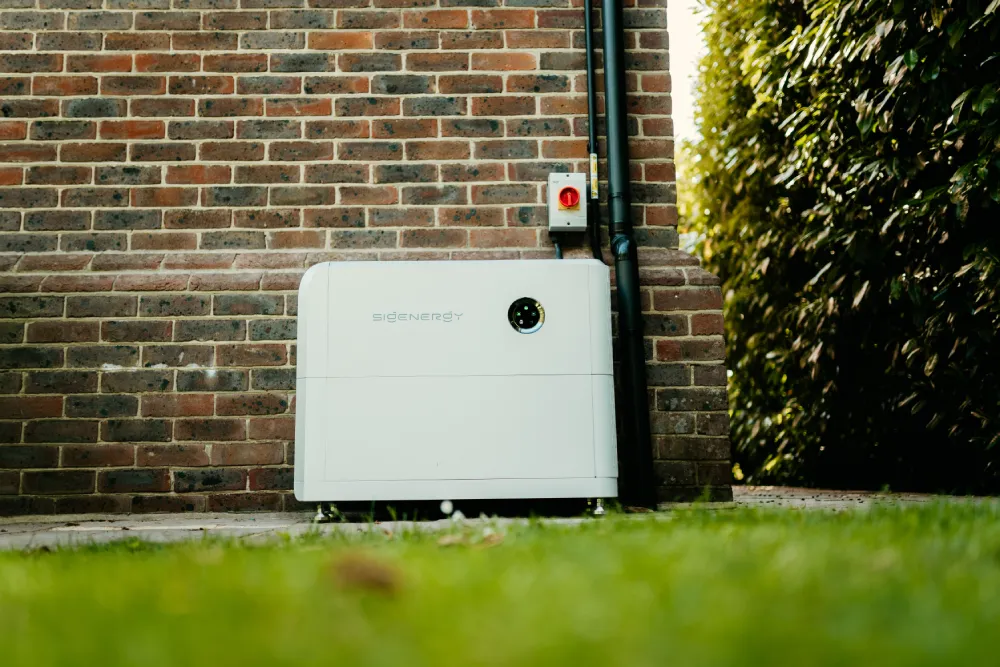
As a result, solar power and battery storage are receiving increasing attention. These systems allow homeowners to generate their own electricity and store excess energy for later use, reducing reliance on grid power.
For many households, understanding the solar and battery cost worthing is the first step in deciding whether renewable energy is a worthwhile investment.If you are exploring solar energy options, our team at All Solar Works can help explain the costs and expected performance based on your property.
Why Are Energy Bills Increasing?
Several factors have contributed to rising electricity prices across the UK.
These include:
While prices may stabilise at times, many homeowners want greater control over their energy expenses rather than relying entirely on external suppliers.
Solar power provides an opportunity to generate electricity directly at home, reducing the amount purchased from the grid.
What Does a Solar and Battery System Typically Cost?
The cost of a solar system depends on several factors including system size, roof layout and whether battery storage is included.
The table below provides a general overview of typical installation costs.
| System Type | Typical System Size | Estimated Cost Range |
| Solar panels only | 3–4 kW | £5,000 – £7,000 |
| Solar panels + small battery | 3–4 kW + 5 kWh | £8,000 – £10,000 |
| Solar panels + larger battery | 4–5 kW + 10 kWh | £10,000 – £13,000 |
These figures can vary depending on equipment brands, installation complexity and system design.
For homeowners researching solar cost worthing, it is important to view installation costs as a long-term investment rather than a short-term expense.
How Do Solar Panels Reduce Energy Bills?
Solar panels generate electricity from sunlight. During the day, this electricity powers household appliances, reducing the amount of energy imported from the grid.
Any excess electricity can either be exported to the grid or stored in a battery for later use.
This helps reduce energy bills in several ways:
With rising energy costs, these benefits can add up significantly over time.
How Battery Storage Improves Financial Savings
Battery storage plays an important role in maximising the value of solar electricity.
Without batteries, many households generate more solar electricity during the day than they can immediately use. That surplus power is usually exported to the grid.
However, when a battery is included in the system, excess electricity can be stored and used later in the evening when demand is higher.
This increases the proportion of solar energy used within the home.
For homeowners evaluating solar and battery cost worthing, the addition of battery storage often improves long-term financial returns by increasing self-consumption.

What type of property do you have?

Detached House

Semi Detached House

Terraced House

Flat or Apartment
Bungalow
It just takes 2 minutes
And then you can book a free consultation
Comparing Solar Investment with Future Energy Costs
One of the most useful ways to evaluate solar energy is to compare installation costs with projected electricity expenses over time.
Consider the following simplified example.
| Scenario | Annual Electricity Cost | 10-Year Total |
| Grid electricity only | £1,800 | £18,000 |
| Solar panels installed | £900 | £9,000 |
| Solar + battery storage | £600 | £6,000 |
These figures are illustrative and depend on energy usage and system performance. However, they highlight how solar energy can significantly reduce long-term energy spending.
When comparing options, homeowners researching solar cost worthing often find that solar installations offer predictable long-term value compared with fluctuating utility prices.
What Factors Affect Solar System Costs?
Every property is different, so installation costs can vary.
Several factors influence the final price of a system.
Roof Size and Layout
Larger roof areas allow for more panels, which increases electricity generation but may also increase system cost.
Panel Technology
Higher-efficiency panels may cost more but generate greater electricity output.
Battery Capacity
Larger batteries provide more storage but increase installation cost.
Installation Complexity
Roof access, scaffolding requirements and electrical upgrades may affect the final price.
Understanding these factors helps homeowners interpret the solar and battery cost worthing more accurately when comparing quotes.
Example Scenario: A Worthing Family Home
Imagine a typical three-bedroom home with annual electricity usage of around 3,500 kWh.
The homeowners install:
During the day, the solar panels generate electricity for household use and charge the battery. In the evening, the battery powers lighting, appliances and electronics.
Over the course of a year, the system significantly reduces the household’s reliance on grid electricity.
For many households in West Sussex, this type of system provides a practical balance between installation cost and long-term savings.
Is Solar Still Worth It with Changing Energy Prices?
Solar systems typically operate for 25 years or more. This means homeowners are not only considering current electricity prices but also long-term energy trends.
Benefits that influence the decision include:
When reviewing the solar and battery cost worthing, many homeowners find that the long lifespan of solar systems makes them a practical long-term investment.
With energy prices continuing to fluctuate, many homeowners are seeking greater control over their household electricity costs. Solar panels and battery storage provide a practical way to generate and manage energy directly at home.
While installation costs vary depending on system size and property requirements, the long-term financial benefits can be significant when compared with rising energy bills.
At All Solar Works, our team specialises in designing solar systems tailored to each home’s energy needs.
Related articles
What type of property do you have?
Detached House
Semi Detached House
Terraced House
Flat or Apartment
Bungalow
At a glance
Energy costs have become one of the biggest concerns for homeowners across the UK. Over the past few years, electricity prices have fluctuated significantly, leaving many households searching for ways to stabilise their long-term energy spending.
As a result, solar power and battery storage are receiving increasing attention. These systems allow homeowners to generate their own electricity and store excess energy for later use, reducing reliance on grid power.
For many households, understanding the solar and battery cost worthing is the first step in deciding whether renewable energy is a worthwhile investment.If you are exploring solar energy options, our team at All Solar Works can help explain the costs and expected performance based on your property.
Why Are Energy Bills Increasing?
Several factors have contributed to rising electricity prices across the UK.
These include:
While prices may stabilise at times, many homeowners want greater control over their energy expenses rather than relying entirely on external suppliers.
Solar power provides an opportunity to generate electricity directly at home, reducing the amount purchased from the grid.
What Does a Solar and Battery System Typically Cost?
The cost of a solar system depends on several factors including system size, roof layout and whether battery storage is included.
The table below provides a general overview of typical installation costs.
| System Type | Typical System Size | Estimated Cost Range |
| Solar panels only | 3–4 kW | £5,000 – £7,000 |
| Solar panels + small battery | 3–4 kW + 5 kWh | £8,000 – £10,000 |
| Solar panels + larger battery | 4–5 kW + 10 kWh | £10,000 – £13,000 |
These figures can vary depending on equipment brands, installation complexity and system design.
For homeowners researching solar cost worthing, it is important to view installation costs as a long-term investment rather than a short-term expense.
How Do Solar Panels Reduce Energy Bills?
Solar panels generate electricity from sunlight. During the day, this electricity powers household appliances, reducing the amount of energy imported from the grid.
Any excess electricity can either be exported to the grid or stored in a battery for later use.
This helps reduce energy bills in several ways:
With rising energy costs, these benefits can add up significantly over time.
How Battery Storage Improves Financial Savings
Battery storage plays an important role in maximising the value of solar electricity.
Without batteries, many households generate more solar electricity during the day than they can immediately use. That surplus power is usually exported to the grid.
However, when a battery is included in the system, excess electricity can be stored and used later in the evening when demand is higher.
This increases the proportion of solar energy used within the home.
For homeowners evaluating solar and battery cost worthing, the addition of battery storage often improves long-term financial returns by increasing self-consumption.
What type of property do you have?
Detached House
Semi Detached House
Terraced House
Flat or Apartment
Bungalow
It just takes 2 minutes
And then you can book a free consultation
Comparing Solar Investment with Future Energy Costs
One of the most useful ways to evaluate solar energy is to compare installation costs with projected electricity expenses over time.
Consider the following simplified example.
| Scenario | Annual Electricity Cost | 10-Year Total |
| Grid electricity only | £1,800 | £18,000 |
| Solar panels installed | £900 | £9,000 |
| Solar + battery storage | £600 | £6,000 |
These figures are illustrative and depend on energy usage and system performance. However, they highlight how solar energy can significantly reduce long-term energy spending.
When comparing options, homeowners researching solar cost worthing often find that solar installations offer predictable long-term value compared with fluctuating utility prices.
What Factors Affect Solar System Costs?
Every property is different, so installation costs can vary.
Several factors influence the final price of a system.
Roof Size and Layout
Larger roof areas allow for more panels, which increases electricity generation but may also increase system cost.
Panel Technology
Higher-efficiency panels may cost more but generate greater electricity output.
Battery Capacity
Larger batteries provide more storage but increase installation cost.
Installation Complexity
Roof access, scaffolding requirements and electrical upgrades may affect the final price.
Understanding these factors helps homeowners interpret the solar and battery cost worthing more accurately when comparing quotes.
Example Scenario: A Worthing Family Home
Imagine a typical three-bedroom home with annual electricity usage of around 3,500 kWh.
The homeowners install:
During the day, the solar panels generate electricity for household use and charge the battery. In the evening, the battery powers lighting, appliances and electronics.
Over the course of a year, the system significantly reduces the household’s reliance on grid electricity.
For many households in West Sussex, this type of system provides a practical balance between installation cost and long-term savings.
Is Solar Still Worth It with Changing Energy Prices?
Solar systems typically operate for 25 years or more. This means homeowners are not only considering current electricity prices but also long-term energy trends.
Benefits that influence the decision include:
When reviewing the solar and battery cost worthing, many homeowners find that the long lifespan of solar systems makes them a practical long-term investment.
With energy prices continuing to fluctuate, many homeowners are seeking greater control over their household electricity costs. Solar panels and battery storage provide a practical way to generate and manage energy directly at home.
While installation costs vary depending on system size and property requirements, the long-term financial benefits can be significant when compared with rising energy bills.
At All Solar Works, our team specialises in designing solar systems tailored to each home’s energy needs.
Related articles
What type of property do you have?
Detached House
Semi Detached House
Terraced House
Flat or Apartment
Bungalow