Solar and Battery Systems as a Long-Term Asset
Solar panels and battery storage are becoming valuable long-term assets for homeowners. Learn how these systems can reduce energy costs, improve energy independence, enhance property appeal, and deliver lasting financial benefits for years to come.

Why you can trust our content
We know that the solar industry is full of misinformation, but we only use reliable sources, including:




At a glance
At a glance
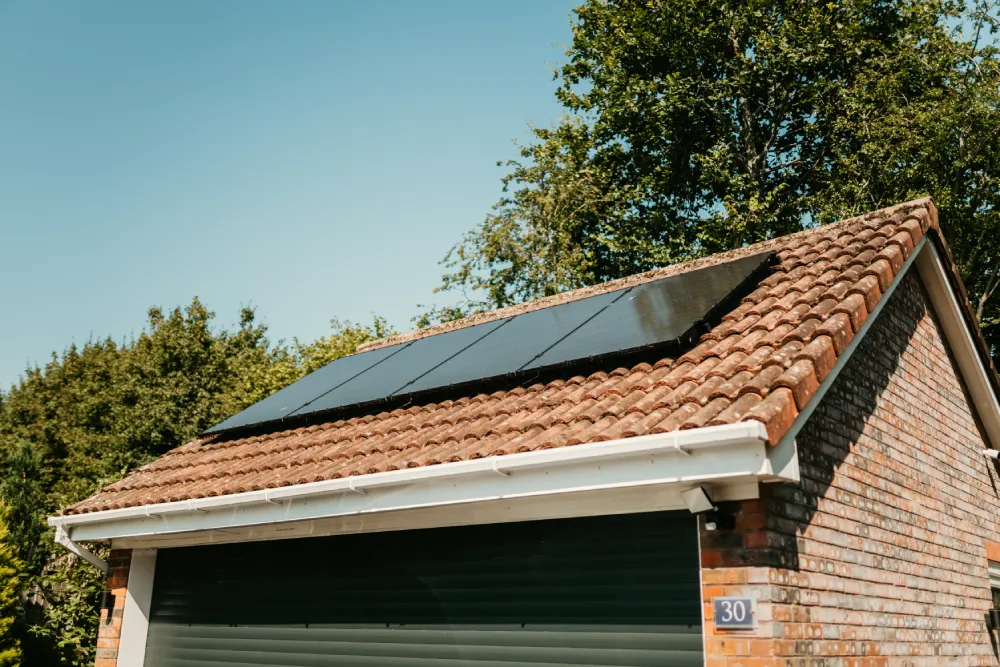
The way homeowners view energy systems is changing. Solar panels and battery storage are no longer seen as simple home improvements, but as long-term assets that contribute to financial stability, energy independence, and property performance.
In locations such as Worthing, where housing demand remains strong and energy efficiency is becoming a major selling point, these systems are increasingly part of long-term property strategy rather than short-term upgrades.
As energy prices continue to fluctuate, homeowners are looking for ways to protect themselves from rising costs while also improving the value and appeal of their homes. Solar and battery systems provide a structured way to achieve both objectives.
Why are solar and battery systems considered long-term assets?
Solar and battery systems generate ongoing financial returns through reduced energy bills. Unlike traditional home improvements that may depreciate over time, energy systems continue to deliver value year after year.
They are considered assets because they:
In Worthing, this is particularly relevant as buyers increasingly assess homes based on running costs rather than just purchase price.
If you want to understand how renewable systems could benefit your property long-term, you can speak to our team for tailored advice.
How do solar and battery systems generate long-term value?
The value of solar and battery systems comes from both direct savings and indirect property benefits. Over time, these systems can offset their installation cost through reduced electricity bills.
When combined with storage, homeowners can store excess energy produced during the day and use it during peak hours, reducing reliance on expensive grid electricity.
For homeowners exploring solar and battery installation worthing, the long-term financial return is often one of the key decision factors.
Key value drivers include:
These benefits accumulate over time, making the system more valuable the longer it is in place.

What type of property do you have?

Detached House

Semi Detached House

Terraced House

Flat or Apartment
Bungalow
It just takes 2 minutes
And then you can book a free consultation
What makes battery storage an important part of the system?
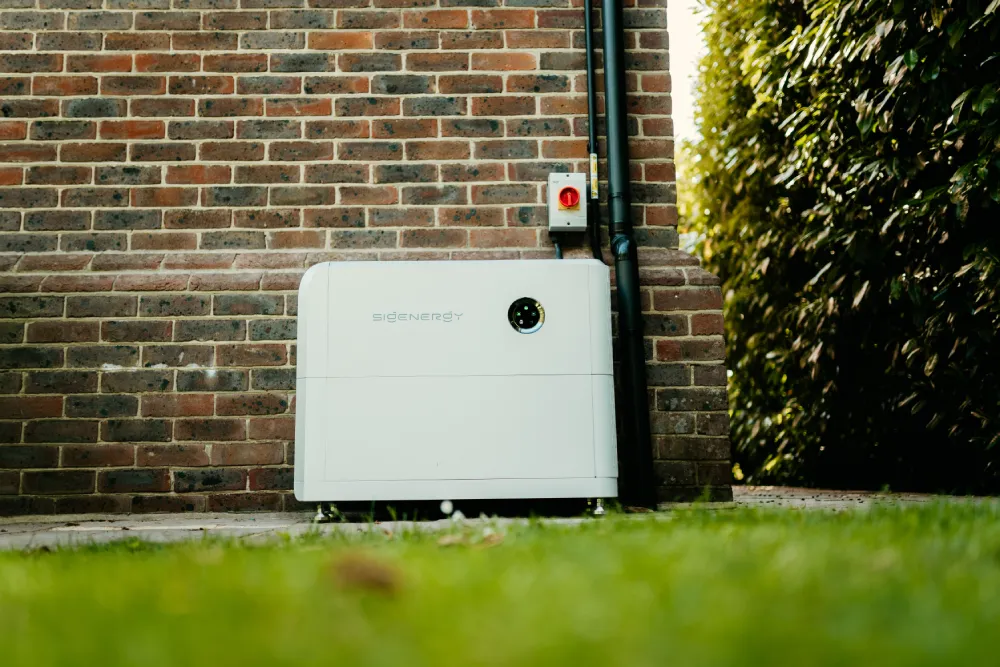
Battery storage significantly enhances the effectiveness of solar systems. Without storage, excess energy is often exported back to the grid, sometimes at lower financial return.
With a battery, homeowners can:
This creates a more efficient energy cycle within the home.
In Worthing, where seasonal sunlight variation exists, battery storage helps smooth out energy availability and improves system consistency throughout the year.
Can solar and battery systems increase property value?
Yes, but the value increase is linked to both system quality and energy savings potential. Buyers are increasingly aware of running costs, and homes with renewable systems often appear more attractive due to lower expected monthly expenses.
Properties with solar and battery systems typically benefit from:
While value uplift varies, the long-term appeal is consistent across most property types.
For homeowners considering upgrades before selling, solar and battery installation worthing is often part of a broader property enhancement strategy.
Table: Long-term benefits of solar and battery systems
| Benefit Area | Impact Level | Long-Term Effect |
| Energy bill reduction | High | Ongoing savings |
| EPC improvement | High | Better resale value |
| Energy independence | High | Reduced grid reliance |
| Maintenance costs | Low | Minimal upkeep |
| Property appeal | High | Faster sale potential |
This combination of benefits is what positions solar and battery systems as long-term assets rather than short-term upgrades.
How do these systems perform over time?
Modern solar systems are designed to perform efficiently for decades with minimal maintenance. Battery technology also continues to improve, offering better storage capacity and efficiency over time.
Over a typical 20 to 25-year period, homeowners can expect:
In Worthing, coastal weather conditions are generally suitable for solar generation, making long-term performance reliable when systems are properly installed.
Are solar and battery systems worth it for older homes?
Older homes often benefit significantly from renewable systems, particularly where insulation or heating systems are less efficient.
In many cases, installing solar and storage can:
Homeowners researching solar and battery installation worthing often find that older properties present some of the strongest opportunities for efficiency improvements.
Case example: Long-term upgrade in Worthing
A 1960s semi-detached home in Worthing underwent a solar and battery upgrade to reduce rising electricity costs.
Before installation:
After installation:
Over time, the system continued to deliver savings while improving the property’s appeal to potential buyers.
How solar fits into a long-term investment strategy
For homeowners thinking strategically, solar and battery systems represent a shift in how property upgrades are approached. Instead of focusing solely on aesthetics or short-term comfort, these systems contribute to ongoing financial performance.
This makes them particularly relevant in markets like Worthing, where energy efficiency is becoming a key factor in property valuation and buyer decision-making.
Related articles
What type of property do you have?
Detached House
Semi Detached House
Terraced House
Flat or Apartment
Bungalow
At a glance
At a glance
The way homeowners view energy systems is changing. Solar panels and battery storage are no longer seen as simple home improvements, but as long-term assets that contribute to financial stability, energy independence, and property performance.
In locations such as Worthing, where housing demand remains strong and energy efficiency is becoming a major selling point, these systems are increasingly part of long-term property strategy rather than short-term upgrades.
As energy prices continue to fluctuate, homeowners are looking for ways to protect themselves from rising costs while also improving the value and appeal of their homes. Solar and battery systems provide a structured way to achieve both objectives.
Why are solar and battery systems considered long-term assets?
Solar and battery systems generate ongoing financial returns through reduced energy bills. Unlike traditional home improvements that may depreciate over time, energy systems continue to deliver value year after year.
They are considered assets because they:
In Worthing, this is particularly relevant as buyers increasingly assess homes based on running costs rather than just purchase price.
If you want to understand how renewable systems could benefit your property long-term, you can speak to our team for tailored advice.
How do solar and battery systems generate long-term value?
The value of solar and battery systems comes from both direct savings and indirect property benefits. Over time, these systems can offset their installation cost through reduced electricity bills.
When combined with storage, homeowners can store excess energy produced during the day and use it during peak hours, reducing reliance on expensive grid electricity.
For homeowners exploring solar and battery installation worthing, the long-term financial return is often one of the key decision factors.
Key value drivers include:
These benefits accumulate over time, making the system more valuable the longer it is in place.
What type of property do you have?
Detached House
Semi Detached House
Terraced House
Flat or Apartment
Bungalow
It just takes 2 minutes
And then you can book a free consultation
What makes battery storage an important part of the system?
Battery storage significantly enhances the effectiveness of solar systems. Without storage, excess energy is often exported back to the grid, sometimes at lower financial return.
With a battery, homeowners can:
This creates a more efficient energy cycle within the home.
In Worthing, where seasonal sunlight variation exists, battery storage helps smooth out energy availability and improves system consistency throughout the year.
Can solar and battery systems increase property value?
Yes, but the value increase is linked to both system quality and energy savings potential. Buyers are increasingly aware of running costs, and homes with renewable systems often appear more attractive due to lower expected monthly expenses.
Properties with solar and battery systems typically benefit from:
While value uplift varies, the long-term appeal is consistent across most property types.
For homeowners considering upgrades before selling, solar and battery installation worthing is often part of a broader property enhancement strategy.
Table: Long-term benefits of solar and battery systems
| Benefit Area | Impact Level | Long-Term Effect |
| Energy bill reduction | High | Ongoing savings |
| EPC improvement | High | Better resale value |
| Energy independence | High | Reduced grid reliance |
| Maintenance costs | Low | Minimal upkeep |
| Property appeal | High | Faster sale potential |
This combination of benefits is what positions solar and battery systems as long-term assets rather than short-term upgrades.
How do these systems perform over time?
Modern solar systems are designed to perform efficiently for decades with minimal maintenance. Battery technology also continues to improve, offering better storage capacity and efficiency over time.
Over a typical 20 to 25-year period, homeowners can expect:
In Worthing, coastal weather conditions are generally suitable for solar generation, making long-term performance reliable when systems are properly installed.
Are solar and battery systems worth it for older homes?
Older homes often benefit significantly from renewable systems, particularly where insulation or heating systems are less efficient.
In many cases, installing solar and storage can:
Homeowners researching solar and battery installation worthing often find that older properties present some of the strongest opportunities for efficiency improvements.
Case example: Long-term upgrade in Worthing
A 1960s semi-detached home in Worthing underwent a solar and battery upgrade to reduce rising electricity costs.
Before installation:
After installation:
Over time, the system continued to deliver savings while improving the property’s appeal to potential buyers.
How solar fits into a long-term investment strategy
For homeowners thinking strategically, solar and battery systems represent a shift in how property upgrades are approached. Instead of focusing solely on aesthetics or short-term comfort, these systems contribute to ongoing financial performance.
This makes them particularly relevant in markets like Worthing, where energy efficiency is becoming a key factor in property valuation and buyer decision-making.
Related articles
What type of property do you have?
Detached House
Semi Detached House
Terraced House
Flat or Apartment
Bungalow