Solar Installation Paperwork: What Worthing Homeowners Should Keep Safe
At a glance Having solar panels installed is a significant…

Why you can trust our content
We know that the solar industry is full of misinformation, but we only use reliable sources, including:




At a glance
At a glance
Having solar panels installed is a significant home improvement, but the work does not finish when the scaffolding comes down. The paperwork supplied afterwards can be just as important as the equipment itself.
From certification and warranties to electrical records and system information, keeping the right documents together can make future maintenance, repairs, insurance queries and property sales much easier. For homeowners arranging solar panel installation worthing, knowing what should be handed over provides useful protection long after installation day.
A good installer should make the handover straightforward rather than leaving you to work out which documents matter. If you are unsure what paperwork applies to your system, contact the All Solar Works team for practical guidance before or after your installation.
What paperwork should you receive after a solar installation?
A completed solar installation should normally come with a collection of documents covering the equipment, installation, electrical work, certification and warranties.
The exact paperwork can vary depending on the system and property, but homeowners should expect clear information rather than a folder of unexplained certificates.
Key documents may include:
It is worth checking the paperwork while everything is still fresh. If a document is missing, asking about it immediately is generally easier than trying to obtain it years later.
Why is MCS documentation important?
MCS certification can be an important part of the paperwork for a domestic renewable energy installation. It provides evidence that the installation was completed under the relevant MCS requirements by an appropriately certified installer.
Homeowners comparing mcs certified solar panel installers should not simply look for the words “MCS” on a website. It is sensible to check the installer’s current certification and understand what the certification covers.
Your MCS documentation should be stored somewhere secure and easy to find. It may become useful when dealing with certain schemes, export arrangements or future questions about the installation.
For a homeowner, the main point is simple: do not treat certification paperwork as something that can be discarded once the panels are producing electricity.
Which documents are most important to keep?
Not every document has the same purpose, so it helps to organise the paperwork into a few categories.
| Document | Why it matters | Keep for |
| MCS certificate | Evidence of certified installation where applicable | Long term |
| Electrical certificate | Records electrical installation work | Long term |
| Panel warranty | Covers eligible panel defects | Warranty period |
| Inverter warranty | Provides manufacturer warranty information | Warranty period |
| Workmanship warranty | Covers aspects of installation work | Stated warranty period |
| Commissioning record | Confirms system testing and setup | Long term |
| User manual | Explains safe operation and controls | While equipment remains installed |
| Installer details | Helps with future questions or support | Long term |
Keep digital copies as well as paper versions. A simple folder containing PDFs, photographs and correspondence can be extremely useful.
What should you check before filing the paperwork away?
A quick review can identify problems before they become inconvenient.
Check that:
- Your name and property details are correct.
- The installed equipment matches the paperwork.
- Panel, inverter and battery model numbers are recorded where appropriate.
- Warranty information is clearly explained.
- The installer’s contact details are included.
- Electrical certification has been provided where required.
- You have access to the monitoring platform or app.
- Any relevant commissioning information has been supplied.
- Instructions explain how to operate the system safely.
- You know who to contact if something stops working.
This is particularly useful if your installation includes several components from different manufacturers. Keeping everything together means you do not have to search through old emails when a question arises.

What type of property do you have?

Detached House

Semi Detached House

Terraced House

Flat or Apartment
Bungalow
It just takes 2 minutes
And then you can book a free consultation
What if you cannot find your solar paperwork later?
Losing paperwork does not necessarily mean there is a problem with the installation, but it can make future administration more difficult.
Start by contacting the original installer. They may have retained installation records or be able to explain how replacement documents can be obtained.
Manufacturer warranties may also depend on particular registration details, so it is useful to keep invoices, model numbers and serial numbers alongside the main certificates.
If the original installer is no longer available, other records may still exist through relevant certification or electrical documentation. However, recovering information later can take more time than simply keeping the original paperwork safely.
How can paperwork help when selling a Worthing home?
Solar equipment can become part of the information a buyer wants to understand before purchasing a property.
A future buyer may reasonably ask:
Having an organised record makes answering these questions much easier.
For homeowners considering solar panel installation worthing, this is one reason not to view the paperwork as an administrative afterthought. Good records can help demonstrate what was installed and provide useful background for future owners.
What should you do if your solar system includes a battery?
Battery systems create additional paperwork because there is another major piece of equipment to document.
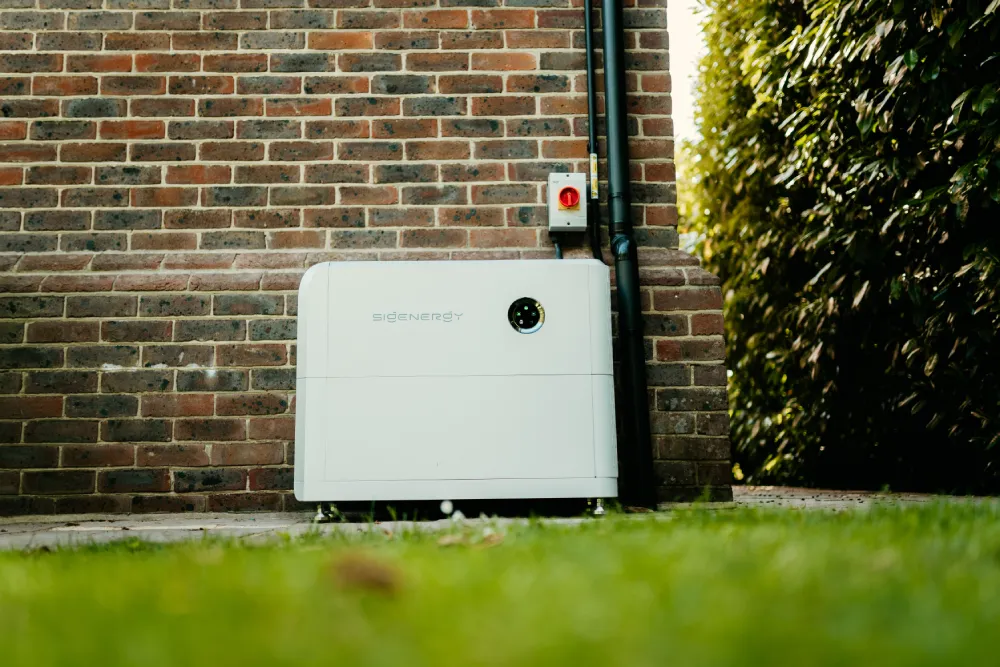
Keep the battery manufacturer, model, serial number, warranty details and operating information together with the solar records. You should also retain any information explaining the monitoring system and how the battery is configured to operate.
Ask the installer what to do if the battery reports an error, stops charging or behaves differently from normal. Knowing the correct contact before a problem occurs is preferable to trying to identify the right company during a fault.
Why should you keep installer contact details?
The company that installed the system may be the most useful first point of contact for questions about installation-related issues.
This is especially relevant where the problem involves several connected components. An installer familiar with the original system can often establish whether the issue relates to the panels, inverter, battery, electrical system, monitoring equipment or something else.
When comparing mcs certified solar panel installers, consider aftercare and documentation alongside installation quality. A clear handover process is a useful indication that the company understands the longer-term relationship with the homeowner.
If you are comparing installers or reviewing an existing installation, speak to All Solar Works about what information you should expect to receive and retain.
A typical example: why good records matter
Imagine a homeowner in Worthing has solar panels and a battery installed. Several years later, the monitoring app stops displaying production information.
The homeowner has kept the original invoice, commissioning details, inverter information, battery documentation and installer contact details in one digital folder. They can quickly identify the equipment and explain the history of the installation when requesting assistance.
Without those records, even a straightforward support request could involve unnecessary searching for model numbers, dates and warranty information.
Good paperwork does not prevent faults, but it can make dealing with them considerably simpler.
Related articles

What type of property do you have?
Detached House
Semi Detached House
Terraced House
Flat or Apartment
Bungalow
At a glance
At a glance
Having solar panels installed is a significant home improvement, but the work does not finish when the scaffolding comes down. The paperwork supplied afterwards can be just as important as the equipment itself.
From certification and warranties to electrical records and system information, keeping the right documents together can make future maintenance, repairs, insurance queries and property sales much easier. For homeowners arranging solar panel installation worthing, knowing what should be handed over provides useful protection long after installation day.
A good installer should make the handover straightforward rather than leaving you to work out which documents matter. If you are unsure what paperwork applies to your system, contact the All Solar Works team for practical guidance before or after your installation.
What paperwork should you receive after a solar installation?
A completed solar installation should normally come with a collection of documents covering the equipment, installation, electrical work, certification and warranties.
The exact paperwork can vary depending on the system and property, but homeowners should expect clear information rather than a folder of unexplained certificates.
Key documents may include:
It is worth checking the paperwork while everything is still fresh. If a document is missing, asking about it immediately is generally easier than trying to obtain it years later.
Why is MCS documentation important?
MCS certification can be an important part of the paperwork for a domestic renewable energy installation. It provides evidence that the installation was completed under the relevant MCS requirements by an appropriately certified installer.
Homeowners comparing mcs certified solar panel installers should not simply look for the words “MCS” on a website. It is sensible to check the installer’s current certification and understand what the certification covers.
Your MCS documentation should be stored somewhere secure and easy to find. It may become useful when dealing with certain schemes, export arrangements or future questions about the installation.
For a homeowner, the main point is simple: do not treat certification paperwork as something that can be discarded once the panels are producing electricity.
Which documents are most important to keep?
Not every document has the same purpose, so it helps to organise the paperwork into a few categories.
| Document | Why it matters | Keep for |
| MCS certificate | Evidence of certified installation where applicable | Long term |
| Electrical certificate | Records electrical installation work | Long term |
| Panel warranty | Covers eligible panel defects | Warranty period |
| Inverter warranty | Provides manufacturer warranty information | Warranty period |
| Workmanship warranty | Covers aspects of installation work | Stated warranty period |
| Commissioning record | Confirms system testing and setup | Long term |
| User manual | Explains safe operation and controls | While equipment remains installed |
| Installer details | Helps with future questions or support | Long term |
Keep digital copies as well as paper versions. A simple folder containing PDFs, photographs and correspondence can be extremely useful.
What should you check before filing the paperwork away?
A quick review can identify problems before they become inconvenient.
Check that:
- Your name and property details are correct.
- The installed equipment matches the paperwork.
- Panel, inverter and battery model numbers are recorded where appropriate.
- Warranty information is clearly explained.
- The installer’s contact details are included.
- Electrical certification has been provided where required.
- You have access to the monitoring platform or app.
- Any relevant commissioning information has been supplied.
- Instructions explain how to operate the system safely.
- You know who to contact if something stops working.
This is particularly useful if your installation includes several components from different manufacturers. Keeping everything together means you do not have to search through old emails when a question arises.
What type of property do you have?
Detached House
Semi Detached House
Terraced House
Flat or Apartment
Bungalow
It just takes 2 minutes
And then you can book a free consultation
What if you cannot find your solar paperwork later?
Losing paperwork does not necessarily mean there is a problem with the installation, but it can make future administration more difficult.
Start by contacting the original installer. They may have retained installation records or be able to explain how replacement documents can be obtained.
Manufacturer warranties may also depend on particular registration details, so it is useful to keep invoices, model numbers and serial numbers alongside the main certificates.
If the original installer is no longer available, other records may still exist through relevant certification or electrical documentation. However, recovering information later can take more time than simply keeping the original paperwork safely.
How can paperwork help when selling a Worthing home?
Solar equipment can become part of the information a buyer wants to understand before purchasing a property.
A future buyer may reasonably ask:
Having an organised record makes answering these questions much easier.
For homeowners considering solar panel installation worthing, this is one reason not to view the paperwork as an administrative afterthought. Good records can help demonstrate what was installed and provide useful background for future owners.
What should you do if your solar system includes a battery?
Battery systems create additional paperwork because there is another major piece of equipment to document.
Keep the battery manufacturer, model, serial number, warranty details and operating information together with the solar records. You should also retain any information explaining the monitoring system and how the battery is configured to operate.
Ask the installer what to do if the battery reports an error, stops charging or behaves differently from normal. Knowing the correct contact before a problem occurs is preferable to trying to identify the right company during a fault.
Why should you keep installer contact details?
The company that installed the system may be the most useful first point of contact for questions about installation-related issues.
This is especially relevant where the problem involves several connected components. An installer familiar with the original system can often establish whether the issue relates to the panels, inverter, battery, electrical system, monitoring equipment or something else.
When comparing mcs certified solar panel installers, consider aftercare and documentation alongside installation quality. A clear handover process is a useful indication that the company understands the longer-term relationship with the homeowner.
If you are comparing installers or reviewing an existing installation, speak to All Solar Works about what information you should expect to receive and retain.
A typical example: why good records matter
Imagine a homeowner in Worthing has solar panels and a battery installed. Several years later, the monitoring app stops displaying production information.
The homeowner has kept the original invoice, commissioning details, inverter information, battery documentation and installer contact details in one digital folder. They can quickly identify the equipment and explain the history of the installation when requesting assistance.
Without those records, even a straightforward support request could involve unnecessary searching for model numbers, dates and warranty information.
Good paperwork does not prevent faults, but it can make dealing with them considerably simpler.
Related articles
What type of property do you have?
Detached House
Semi Detached House
Terraced House
Flat or Apartment
Bungalow