Battery Installation Cost Worthing: Does Storage Improve ROI?
Adding a battery to your solar system is often seen…

Why you can trust our content
We know that the solar industry is full of misinformation, but we only use reliable sources, including:





At a glance
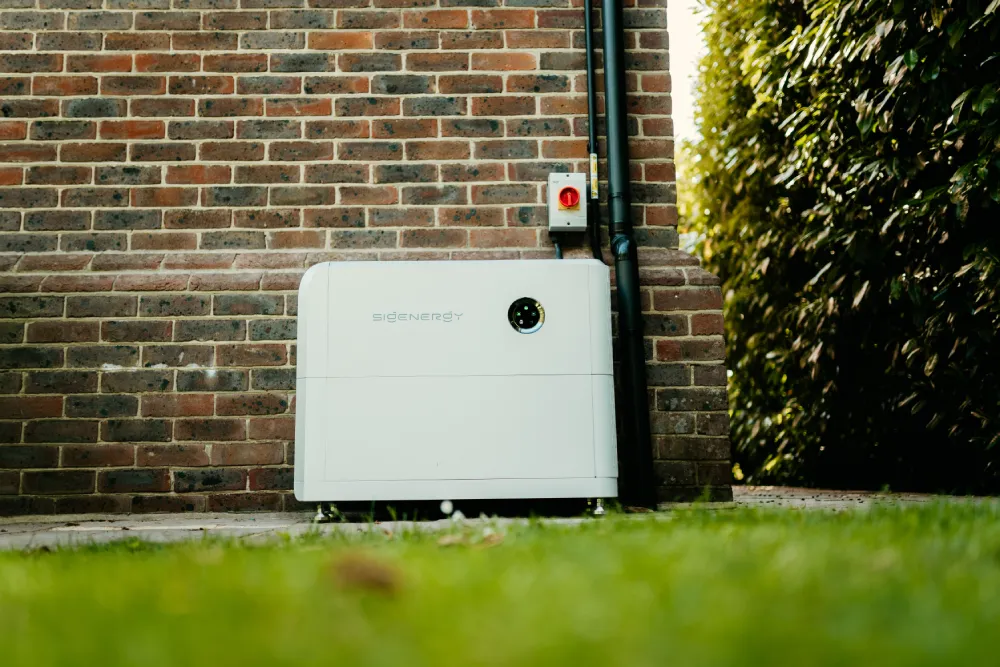
Adding a battery to your solar system is often seen as the next step towards energy independence. It allows you to store excess electricity and use it when you need it most, rather than sending it back to the grid.
But does it make financial sense? For homeowners in Worthing, the key question is whether the additional investment improves return on investment (ROI) or simply increases upfront cost. This guide breaks down the real value of battery storage.
What Is the Typical Battery Installation Cost in Worthing?
The battery installation cost for homeowners typically ranges between £2,500 and £5,000, depending on battery size, brand, and system compatibility.
Typical factors influencing cost include:
While this cost is high, it is important to consider what the battery allows you to do with your solar energy.
How Does a Solar Battery Actually Work?
A solar battery stores unused electricity generated during the day. Instead of exporting this energy to the grid, you can use it later in the evening or during peak demand.
In simple terms:
This increases your self-consumption, which is a key factor in improving long-term savings.
Does a Battery Improve ROI?
Is it worth the extra cost?
In most cases, a battery improves overall ROI – but over a longer timeframe.
Without a battery:
With a battery:
However, because of the additional cost, the payback period may extend slightly before the long-term gains become clear.
5-Year vs 20-Year Financial Impact
To understand the value of storage, it helps to compare short-term and long-term outcomes.
| System Type | Initial Cost | 5-Year Savings | 20-Year Savings |
| Solar Only | £7,000 | £4,500 | £20,000 |
| Solar + Battery | £10,000 | £5,800 | £26,000 |
In the first five years, the higher battery installation cost worthing homeowners pay can delay full payback. Over 20 years, however, total savings are significantly higher.
Why Do Batteries Increase Long-Term Savings?
The main reason is increased self-consumption. Instead of exporting energy at lower rates, you use more of what you generate.
Benefits include:
Over time, these advantages compound, improving overall ROI.
Are There Any Limitations to Consider?
What should you be aware of?
While batteries offer clear benefits, they are not perfect.
Consider:
These factors should be balanced against the long-term savings potential.
A Typical Worthing Installation Example
Consider a detached home installing a 4kW solar system with a battery:
This example shows how the battery installation cost worthing investment evolves into greater long-term returns, even if it takes longer to break even.
Should You Install a Battery Now or Later?
Is it better to wait?
Some homeowners choose to install solar panels first and add a battery later.
Installing now:
Adding later:
The right approach depends on your budget and long-term plans.
How to Maximise Battery ROI
To get the most from your battery system:
A well-matched system ensures you benefit fully from your investment.
When Does a Battery Make the Most Sense?
A battery is particularly beneficial if:
In these cases, the added cost is often justified by improved performance and savings.
A solar battery is not just an add-on – it is a way to unlock more value from your solar system. While the upfront cost is higher, the ability to store and use your own energy can significantly improve long-term returns.
For homeowners in Worthing and across West Sussex, the decision comes down to balancing short-term cost with long-term benefit. With the right system design, a battery can be a valuable part of your overall energy strategy.
Related articles

What type of property do you have?

Detached House

Semi Detached House

Terraced House

Flat or Apartment
Bungalow
At a glance
Adding a battery to your solar system is often seen as the next step towards energy independence. It allows you to store excess electricity and use it when you need it most, rather than sending it back to the grid.
But does it make financial sense? For homeowners in Worthing, the key question is whether the additional investment improves return on investment (ROI) or simply increases upfront cost. This guide breaks down the real value of battery storage.
What Is the Typical Battery Installation Cost in Worthing?
The battery installation cost for homeowners typically ranges between £2,500 and £5,000, depending on battery size, brand, and system compatibility.
Typical factors influencing cost include:
While this cost is high, it is important to consider what the battery allows you to do with your solar energy.
How Does a Solar Battery Actually Work?
A solar battery stores unused electricity generated during the day. Instead of exporting this energy to the grid, you can use it later in the evening or during peak demand.
In simple terms:
This increases your self-consumption, which is a key factor in improving long-term savings.
Does a Battery Improve ROI?
Is it worth the extra cost?
In most cases, a battery improves overall ROI – but over a longer timeframe.
Without a battery:
With a battery:
However, because of the additional cost, the payback period may extend slightly before the long-term gains become clear.
5-Year vs 20-Year Financial Impact
To understand the value of storage, it helps to compare short-term and long-term outcomes.
| System Type | Initial Cost | 5-Year Savings | 20-Year Savings |
| Solar Only | £7,000 | £4,500 | £20,000 |
| Solar + Battery | £10,000 | £5,800 | £26,000 |
In the first five years, the higher battery installation cost worthing homeowners pay can delay full payback. Over 20 years, however, total savings are significantly higher.
Why Do Batteries Increase Long-Term Savings?
The main reason is increased self-consumption. Instead of exporting energy at lower rates, you use more of what you generate.
Benefits include:
Over time, these advantages compound, improving overall ROI.
Are There Any Limitations to Consider?
What should you be aware of?
While batteries offer clear benefits, they are not perfect.
Consider:
These factors should be balanced against the long-term savings potential.
A Typical Worthing Installation Example
Consider a detached home installing a 4kW solar system with a battery:
This example shows how the battery installation cost worthing investment evolves into greater long-term returns, even if it takes longer to break even.
Should You Install a Battery Now or Later?
Is it better to wait?
Some homeowners choose to install solar panels first and add a battery later.
Installing now:
Adding later:
The right approach depends on your budget and long-term plans.
How to Maximise Battery ROI
To get the most from your battery system:
A well-matched system ensures you benefit fully from your investment.
When Does a Battery Make the Most Sense?
A battery is particularly beneficial if:
In these cases, the added cost is often justified by improved performance and savings.
A solar battery is not just an add-on – it is a way to unlock more value from your solar system. While the upfront cost is higher, the ability to store and use your own energy can significantly improve long-term returns.
For homeowners in Worthing and across West Sussex, the decision comes down to balancing short-term cost with long-term benefit. With the right system design, a battery can be a valuable part of your overall energy strategy.
Related articles
What type of property do you have?
Detached House
Semi Detached House
Terraced House
Flat or Apartment
Bungalow